
When it comes to scrap copper recycling Newington, understanding the nuances of the metal market is essential for both environmental sustainability and financial gain. Copper is one of the most valuable non-ferrous metals in the recycling industry, prized for its exceptional electrical conductivity and thermal properties. As global demand for copper continues to rise, driven by the transition to renewable energy and the expansion of digital infrastructure, the importance of efficient recycling hubs in New South Wales cannot be overstated. Whether you are a tradesperson, a demolition contractor, or a homeowner clearing out a renovation site, knowing how to identify and process your scrap is the first step toward getting the best value for your materials.
The Economics of Copper: Understanding Grades and Valuation
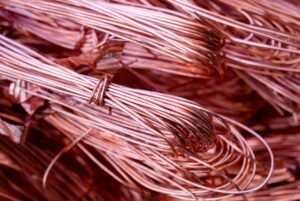
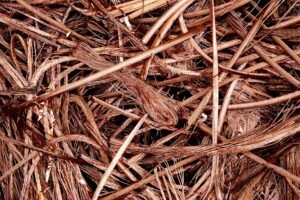
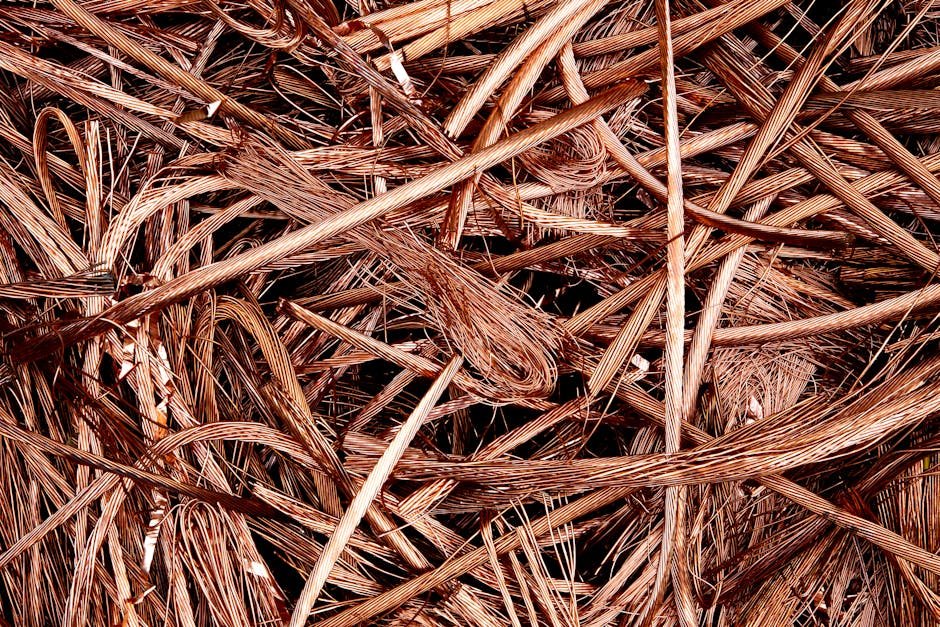
To succeed in the circular economy, one must understand how scrap yards categorize metal. The price of copper is not monolithic; it fluctuates based on purity, oxidation levels, and the presence of contaminants. When you engage in scrap copper recycling Newington, you will likely encounter several distinct classifications. The most premium grade is ‘Bare Bright Copper,’ which consists of clean, unalloyed, uncoated, and uninsulated copper wire, typically 16 gauge or thicker. It must be free of any paint, varnish, or oxidation to command the highest copper price per kg.
Moving down the scale, we find ‘Number 1 Copper,’ which includes clean pipe and wire that may have slight oxidation but remains free of attachments. ‘Number 2 Copper’ is a broader category that often includes wire with light insulation, pipe with solder, or copper that has significant oxidation. This grade is still highly valuable but requires more intensive processing at the refinery level, which is reflected in the lower payout. Understanding these grades is vital when you are looking for Scrap Metal Recycling Near Me to ensure you are being quoted fairly for your specific load.
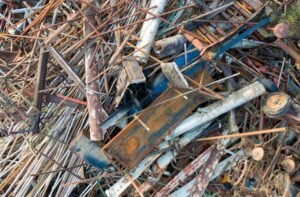
Beyond these primary categories, mixed scrap often contains contaminants like brass fittings, plastic connectors, or steel attachments. If you are looking to maximize your returns, separating these materials before arriving at the yard is a best practice. For those interested in the broader industry landscape, it is helpful to explore the difference between a Scrap Trading Vs Recycling Business to understand how your scrap moves through the global supply chain.
The Process: How Copper Moves from Waste to Resource
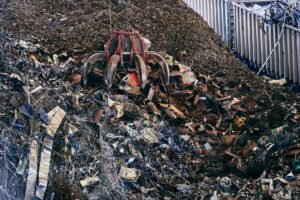
The journey of copper from a discarded copper pipe or a bundle of copper wire to a raw material for new manufacturing is a marvel of industrial efficiency. Once scrap is collected, the initial stage is physical sorting. Advanced facilities use magnetic separators to remove ferrous contaminants and eddy current separators to isolate non-ferrous metals. For insulated wires, specialized granulators are used to strip the plastic sheathing, allowing the pure copper granules to be separated from the insulation material.
This refined material is then melted in large-scale furnaces. Because copper can be recycled indefinitely without losing its physical or chemical properties, it is a perfect candidate for a circular economy. The molten copper is cast into ingots or billets, which are then sold to manufacturers who produce everything from new electrical cables to plumbing components. By participating in scrap copper recycling Newington, you are directly contributing to a reduction in the need for virgin mining, which is a resource-intensive and environmentally taxing process.
For those located in other parts of Sydney, the principles remain the same. We often see clients comparing services, such as those seeking scrap copper recycling belfield or scrap copper recycling holroyd, to find the most efficient processing facilities. The key is to partner with a reputable Copper Scrap Group that prioritizes transparent grading and fair market pricing.
Environmental Benefits of Copper Recycling
The environmental case for recycling copper is compelling. Mining for virgin copper ore involves massive open-pit operations that destroy landscapes, consume vast quantities of water, and generate significant carbon emissions. In contrast, recycling copper requires up to 85% less energy than producing it from raw ore. This energy saving translates into a massive reduction in the carbon footprint of the metal, making recycled copper a critical component of sustainable manufacturing.
Furthermore, recycling prevents copper from ending up in landfills. Copper is a heavy metal that, while not as toxic as lead or mercury, can still leach into soil and groundwater if discarded improperly. By ensuring that your copper scrap is processed through authorized recycling channels, you are helping to keep our local ecosystems in Newington and beyond clean and safe. As a leading voice in the industry, Scrap Trade advocates for standardized recycling protocols to maximize these environmental gains.
Practical Tips for Maximizing Your Scrap Returns
To get the most out of your scrap, preparation is everything. First, keep your copper clean. If you have copper pipes, remove any brass valves, steel flanges, or lead solder if possible. While some yards will accept ‘dirty’ copper, you will always get a better price for ‘clean’ copper. Second, strip your wires. While this is time-consuming, the difference in price between insulated copper wire and bare bright copper is significant. If you have a high volume of wire, investing in a manual or electric wire stripper can pay for itself very quickly.
Third, stay informed about the market. The copper price per kg is volatile and linked to global commodity markets. By following industry trends on platforms like Scrap Trade Australia, you can time your sales to coincide with market peaks. Finally, build a relationship with a trusted local recycler. Consistent suppliers are often treated with more transparency and may be offered better rates for regular high-quality loads.
The Future of Copper and Circularity
As we look toward a future defined by electrification, the demand for copper is set to skyrocket. Electric vehicles (EVs) use significantly more copper than internal combustion engine vehicles, and the infrastructure for charging stations and renewable energy grids requires thousands of tonnes of the metal. This ‘copper crunch’ makes the role of the recycler more important than ever. We are moving away from a ‘take-make-dispose’ model toward a circular economy where every gram of metal is recovered and reused.
In Newington, local businesses and residents have a unique opportunity to lead by example. By adopting rigorous recycling habits, the community can help stabilize the supply chain and reduce the reliance on expensive and environmentally damaging mining operations. Whether you are dealing with industrial-scale demolition waste or small household repairs, your contribution to the recycling pool matters.
Navigating Market Volatility
One of the most frequent questions we receive concerns price fluctuations. Why does the price change daily? The answer lies in the London Metal Exchange (LME), which sets the global benchmark for copper prices. Factors such as mining output in South America, geopolitical stability, and the strength of the Australian dollar all play a role. When the dollar is strong, imported copper becomes cheaper, which can sometimes suppress local scrap prices. Conversely, a weaker dollar can make Australian scrap more competitive globally.
To mitigate the impact of this volatility, we recommend that regular scrap traders maintain a diversified portfolio of metals. Don’t rely solely on copper; collect aluminium, brass, and stainless steel as well. This strategy helps to cushion your income against the inevitable dips in the copper market. Always ensure you are working with a yard that provides clear, itemized receipts so you can track your own performance over time.
Safety and Compliance in Recycling
Safety is the cornerstone of any professional scrap operation. When handling scrap, always wear appropriate personal protective equipment (PPE), including heavy-duty gloves and steel-capped boots. Copper edges can be razor-sharp, and old wiring may contain hazardous coatings or lead-based solder. Furthermore, ensure that you are complying with local environmental regulations. Illegal dumping or improper handling of scrap can lead to significant fines and environmental harm.
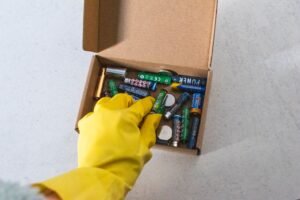
Always choose a recycler that is licensed and adheres to environmental standards. A professional facility will have the infrastructure to manage hazardous materials safely, such as lead-acid batteries or contaminated insulation, which should never be mixed with clean copper. By choosing to work with certified partners, you ensure that your recycling efforts are not only profitable but also ethical and compliant with Australian law.
Conclusion: Your Role in the Copper Cycle
The practice of scrap copper recycling Newington is more than just a way to earn extra cash; it is a vital service to the environment and the economy. By understanding the grades, preparing your materials, and staying informed about market conditions, you become an active participant in a global movement toward sustainability. Whether you are a large-scale contractor or a DIY enthusiast, your efforts ensure that this precious metal remains in the supply chain, powering the technologies of tomorrow. Start by separating your scrap today, and join the thousands of Australians who are turning waste into a valuable, renewable resource.
Frequently Asked Questions
What is the difference between Number 1 and Number 2 copper?
Number 1 copper is clean, unalloyed, and free of oxidation or solder, making it the highest quality. Number 2 copper includes wire or pipe that may have light oxidation, solder, or other minor contaminants, resulting in a lower market value.
Should I strip the insulation off my copper wire?
Yes, stripping the insulation significantly increases the value of your scrap. Bare bright copper wire commands a much higher price per kilogram than insulated wire, as it requires less processing at the refinery.
How often do scrap copper prices change?
Scrap copper prices are tied to the London Metal Exchange and can fluctuate daily based on global supply, demand, and currency exchange rates. It is best to check current market rates with your local yard before bringing in a large load.
Is it worth recycling small amounts of copper?
While small amounts may not yield a large profit, recycling them is still environmentally beneficial and prevents waste from entering landfills. Many recyclers will accept small quantities, and it is a good habit to keep even for minor household projects.