
When you search for scrap copper recycling rydalmere, you are looking for a local solution that transforms copper wire, copper pipe, bare bright copper, and other copper alloys into valuable secondary metal. This guide explains the grades of scrap copper accepted in Rydalmere, how the recycling process works, pricing influences, environmental benefits, and actionable tips for residents and businesses.
Understanding Copper Grades in Rydalmere
Australian scrap yards classify copper into several grades based on purity, form, and contamination. Knowing the grade of your material helps you secure the best copper price per kg and ensures smooth processing.
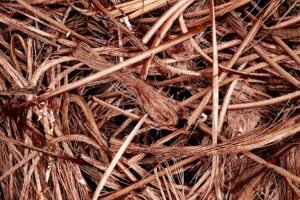
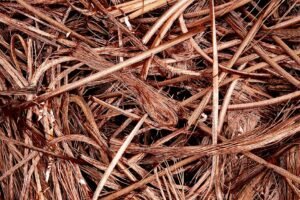
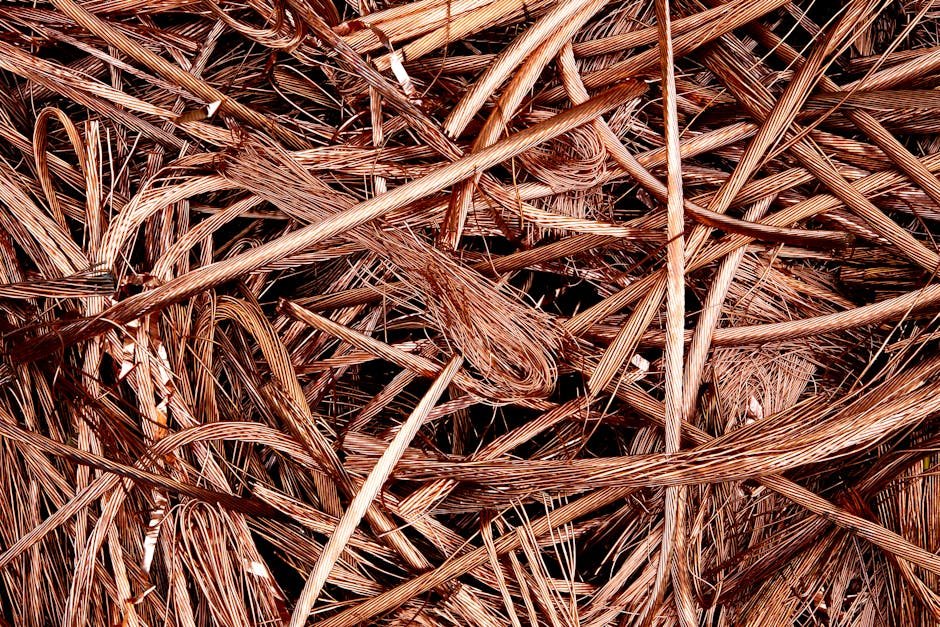
- Bare Bright Copper (BBC): Untarnished, uncoated copper with a bright finish, typically from new or unused copper wire and pipe. This is the highest‑grade copper and commands premium rates.
- Number 2 Copper: Also called #2 copper, this grade includes copper that has been stripped of insulation but may have minor oxidation. It is common in reclaimed wiring and plumbing.
- Copper Wire: Includes insulated or stripped copper conductors. Stripped wire falls into higher grades, while insulated wire is downgraded after removal of the plastic coating.
- Copper Pipe: Used plumbing pipe, often mixed with solder or flux residues. Clean, unsoldered pipe can be graded as BBC, while pipe with heavy solder is placed in a lower tier.
- Mixed Copper: A blend of various copper types, sometimes containing brass or aluminum. This grade is usually processed after segregation.
For a detailed breakdown of copper grade definitions, see the Copper Scrap Group resource, which provides industry‑wide standards.
How the Recycling Process Works in Rydalmere
The recycling journey begins when you deliver your copper scrap to a licensed facility. The steps are:
- Collection & Inspection: Staff verify the grade, weigh the material, and check for contaminants such as plastics, steel, or hazardous coatings.
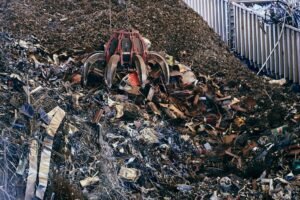
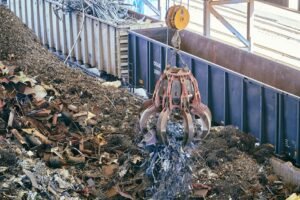
- Sorting: Using magnetic separators and manual sorting, copper is separated from ferrous metals and non‑metallic debris. High‑grade BBC is isolated for direct melting.
- Shredding & Baling: Larger pieces are shredded to uniform sizes, then compacted into bales for efficient handling.
- Melting: In a furnace operating at 1,200 °C, copper is melted. Impurities rise to the surface as slag and are skimmed off.
- Refining: Electro‑refining or fire‑refining removes remaining trace elements, achieving up to 99.99% purity.
- Casting: Pure copper is poured into ingots or billets, ready for resale to manufacturers of wiring, roofing, and industrial components.
This closed‑loop system ensures that each kilogram of scrap copper re‑enters the supply chain, reducing the need for virgin mining. For a comparison of business models, read our article on Scrap Trading Vs Recycling Business.
Environmental Benefits of Copper Recycling in Rydalmere
Recycling copper delivers measurable environmental gains:
- Energy Savings: Producing copper from scrap uses up to 85% less energy than primary extraction, cutting greenhouse‑gas emissions.
- Landfill Reduction: Diverting copper from waste streams prevents toxic runoff and frees landfill space.
- Resource Conservation: Copper is a finite resource; recycling extends its lifecycle and reduces pressure on ore deposits.
- Water Use: Secondary processing consumes far less water than mining, preserving local water tables.
Local councils in Sydney recognise these benefits, and many offer incentives for households that separate copper for recycling. The Scrap Metal Recycling Near Me directory lists facilities that meet strict environmental standards.
Pricing, Market Trends, and Copper Price per Kg
Australian copper prices fluctuate with global demand, exchange rates, and inventory levels. As of 2024, the average copper price per kg for BBC in New South Wales ranges between AUD $9.50 and $11.20, while lower grades fetch $5.00‑$7.00 per kg.
Key factors influencing price:
- International Commodity Markets: Prices on the London Metal Exchange (LME) set the benchmark.
- Supply Chain Disruptions: Mining strikes or logistics bottlenecks can tighten supply, raising scrap values.
- Purity Levels: Higher purity commands premium rates; accurate grading maximises earnings.
- Recycling Volumes: Seasonal spikes, such as post‑construction periods, increase supply and may depress prices temporarily.
To stay competitive, sellers should monitor daily price bulletins and maintain clean, well‑sorted copper. For real‑time market data, visit Scrap Trade’s market hub.
Practical Tips for Residents and Businesses in Rydalmere
Whether you are a homeowner with leftover pipe or a contractor handling demolition waste, follow these steps to maximise value and compliance:
- Separate Copper Early: Keep copper wire, pipe, and bare bright copper separate from other metals to avoid cross‑contamination.
- Remove Insulation: Strip plastic or rubber from copper wire; the cleaner the metal, the higher the grade.
- Store Safely: Stack copper in a dry, covered area to prevent oxidation, which can downgrade the material.
- Document Weight: Use a calibrated scale and request a written receipt; this is essential for tax deductions and audit trails.
- Choose Certified Facilities: Verify that the recycler holds an Australian Standard (AS 1319) licence. Facilities in nearby suburbs such as scrap copper recycling flemington and scrap copper recycling silverwater are reputable options.
By adhering to these practices, you contribute to a circular economy and receive top dollar for your scrap.
Regulatory Framework and Safety Considerations
Australian law requires all scrap metal dealers to register with the Australian Border Force (ABF) and comply with the Export Control (Materials) Act. In New South Wales, the Environment Protection Authority (EPA) enforces strict guidelines on storage, handling, and transport of hazardous residues such as lead‑based solder.
Key compliance points:
- Maintain a logbook of incoming and outgoing copper batches.
- Label containers with material type and grade.
- Provide workers with PPE—gloves, eye protection, and dust masks—especially when cutting or stripping wire.
\n
Non‑compliance can result in fines up to AUD $50,000 and loss of licence. For detailed guidance, consult the NSW EPA website or contact a local industry association.
Future Outlook for Copper Recycling in Rydalmere
The demand for copper is projected to grow 20% by 2030, driven by renewable‑energy infrastructure, electric‑vehicle production, and expanding data‑centre networks. This growth will increase the value of recycled copper and incentivise investment in advanced sorting technologies such as AI‑powered optical scanners.
Rydalmere’s strategic location near major transport corridors makes it an ideal hub for both inbound scrap collection and outbound distribution to manufacturers. Stakeholders are encouraged to explore partnerships with local councils and educational institutions to promote recycling awareness.
For a broader perspective on the industry’s evolution, explore the Scraptrade Australia services page, which outlines emerging trends and support programs.
Conclusion
scrap copper recycling rydalmere offers a financially rewarding and environmentally responsible pathway for turning copper waste into a valuable resource. By understanding copper grades, following best‑practice recycling procedures, staying informed on market pricing, and complying with regulations, residents and businesses can contribute to a sustainable circular economy while receiving competitive returns.
Frequently Asked Questions
What types of copper are accepted for recycling in Rydalmere?
Recyclers accept bare bright copper, number 2 copper, copper wire (stripped or insulated), copper pipe, and mixed copper alloys, provided they are free of heavy contaminants.
How is the price of scrap copper determined?
Pricing is based on copper grade, purity, current market rates (copper price per kg), and the volume supplied. Higher purity grades like BBC fetch premium rates.
Is there a minimum weight requirement for dropping off copper scrap?
Most facilities accept any amount, but some may set a minimum of 5 kg for bulk processing. Small‑scale sellers should call ahead to confirm.
What environmental advantages does copper recycling provide?
Recycling copper reduces energy consumption by up to 85%, cuts greenhouse‑gas emissions, conserves water, and prevents copper from ending up in landfill.