
Understanding scrap copper wire prices is essential for anyone involved in metal trading, construction demolition, or environmental recycling in Australia. This guide breaks down the current market value per kilogram, explains how prices are set, examines the grades of scrap copper, and outlines the entire recycling chain from collection to final product.
Current Market Value per Kilogram
The Australian scrap metal market is closely linked to global commodity trends, particularly the London Metal Exchange (LME) copper price. In April 2024, the LME copper price sits around US$9,200 per tonne, which translates to roughly AU$12.80 per kilogram after conversion and freight considerations. However, when copper is sold as scrap wire, the price is typically discounted to reflect processing costs, impurity removal, and market logistics.
Based on data from major scrap yards and online price trackers, the average copper price per kg for clean, bare bright copper wire ranges from AU$9.00 to AU$10.50. Insulated or mixed cable scrap commands a lower rate, generally between AU$7.50 and AU$9.00 per kilogram. These figures fluctuate weekly, so staying updated via Scrap Prices is advisable for accurate quoting.
How Scrap Copper Wire Prices Are Determined
Pricing is not arbitrary; it follows a structured methodology that balances global commodity markets, local supply‑and‑demand dynamics, and processing expenses.
- Base LME Rate: The starting point is the LME copper price, which reflects global production, inventory, and macro‑economic factors.
- Currency Conversion: Since the LME quotes in US dollars, Australian dealers convert to AUD using the prevailing exchange rate, adding a margin for currency risk.
- Purity Discount: Clean, bare bright copper (often called “Number 2 copper”) receives the smallest discount, while mixed or insulated wire incurs larger deductions.
- Processing Costs: Labor, equipment, and environmental compliance add a per‑kilogram cost that is subtracted from the gross price.
- Regional Supply: Areas with abundant copper demolition, such as Melbourne’s industrial precincts, may see slightly lower prices due to oversupply.
- Transport & Logistics: Distance from the collection point to the smelter influences the final offer; longer hauls reduce the price.
Dealers often publish a price schedule that reflects these variables. For example, the scrap copper prices concord page shows a tiered structure based on weight brackets, rewarding larger consignments with a marginally higher rate per kilogram.
Grades of Scrap Copper Wire and Their Values
Not all copper wire is created equal. Grading allows buyers and sellers to communicate quality expectations and price accordingly.
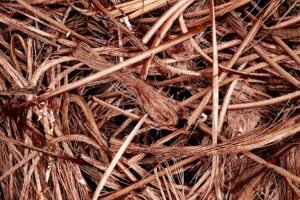
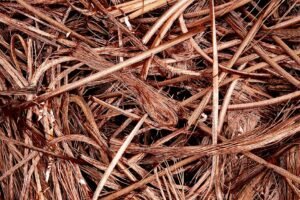
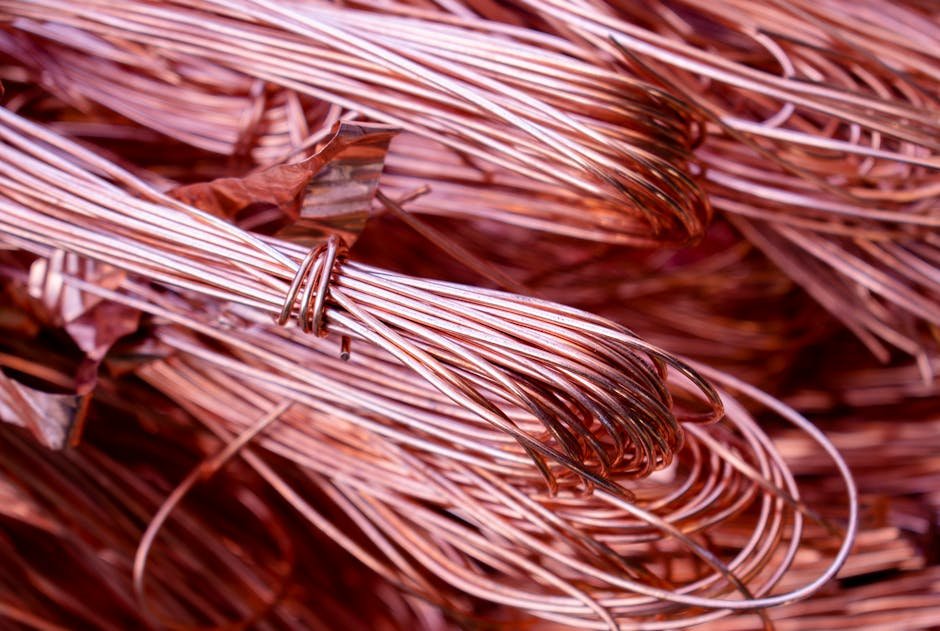
- Bare Bright Copper (Number 2 Copper): Fully stripped, free of insulation, and with a purity of 99.9%. This is the premium grade and commands the highest price.
- Cu‑C (Copper‑C) – Bare Copper: Slightly oxidized or with minor contaminants; still valuable but sold at a modest discount.
- Insulated Wire: Contains plastic or rubber coating; must be stripped before smelting, which reduces its price.
- Cable Scrap: Mixed bundles of copper, steel, and aluminum. Requires separation and yields a blended price, typically 15‑25% lower than bare bright copper.
- Copper Pipe: Often reclaimed from plumbing; while not a wire, it is graded similarly to bare bright copper when free of solder.
When quoting, many dealers reference the copper wire scrap price table, which lists each grade with its corresponding per‑kilogram rate.
Key Factors Influencing Copper Wire Prices
Beyond the base market mechanics, several real‑world factors can cause short‑term price swings.
- Industrial Demand: Construction booms, especially for renewable energy projects, increase demand for copper wiring and raise scrap prices.
- Regulatory Changes: New environmental standards for waste handling can increase processing costs, which may be passed on to sellers.
- Seasonality: End‑of‑financial‑year stock‑taking often floods the market with scrap, temporarily depressing prices.
- Technological Shifts: The rise of fiber‑optic networks reduces demand for traditional copper cable, affecting insulated wire values.
- Global Trade Policies: Tariffs on copper imports or exports can alter domestic supply dynamics, influencing local pricing.
Staying aware of these variables helps sellers time their consignments for optimal returns. Tools like the Copper Scrap Group forum provide real‑time market chatter and can be invaluable for price forecasting.
The Recycling Process for Copper Wire
Recycling copper wire is a multi‑stage operation that transforms low‑value waste into high‑purity metal ready for the manufacturing supply chain.
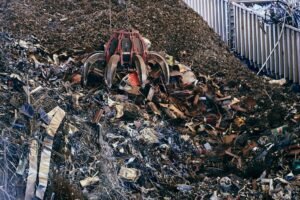
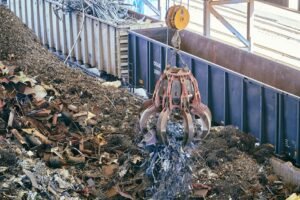
- Collection & Sorting: Scrap is gathered from demolition sites, construction leftovers, and electronic waste streams. At this stage, materials are separated by type – bare bright copper, insulated wire, and cable scrap.
- Stripping: Mechanical or hydraulic strippers remove insulation from wire. Advanced systems can recover up to 95% of the copper surface area while preserving the copper’s structural integrity.
- Shredding & Granulation: Stripped copper is shredded into small pieces to facilitate melting. Granulation also helps remove residual non‑copper contaminants.
- Melting & Refining: The granules are melted in a furnace at temperatures above 1,200 °C. Fluxes are added to bind impurities, and the molten metal is poured into molds to form copper ingots of 99.95% purity or higher.
- Quality Assurance: Spectrometric analysis confirms purity levels. Certified ingots are then sold to manufacturers for use in wiring, plumbing, and industrial equipment.
The entire loop reduces the need for virgin copper mining, saving energy and water while lowering greenhouse‑gas emissions. For a deeper dive into the environmental impact, see our article on Australian copper recycling benefits.
Environmental and Economic Benefits of Copper Recycling
Recycling copper wire yields substantial ecological and financial advantages.
- Energy Savings: Producing recycled copper uses up to 85% less energy than extracting and refining new copper ore.
- Reduced Emissions: Lower energy consumption translates to a significant cut in CO₂ emissions, supporting Australia’s Net‑Zero targets.
- Conservation of Resources: Recycling preserves natural copper reserves, extending the lifespan of existing mines.
- Job Creation: The recycling sector employs thousands across collection, processing, and logistics, contributing to regional economies.
- Economic Return: Sellers receive immediate cash for waste that would otherwise occupy landfill space, while manufacturers gain a cost‑effective, high‑quality material.
By participating in the copper recycling loop, businesses not only improve their bottom line but also demonstrate corporate responsibility. Many Australian companies now publish their recycled‑content percentages as part of sustainability reporting.
Practical Tips for Sellers and Buyers
Whether you are a demolition contractor, an electrician with excess wire, or a scrap yard operator, the following best practices can help you maximise value.
- Know Your Grade: Separate bare bright copper from insulated wire before quoting. Accurate grading prevents price penalties.
- Weigh Accurately: Use calibrated scales and provide weight certificates to build trust with buyers.
- Stay Informed: Monitor daily price updates on Scrap Copper Prices Near Me to negotiate from an informed position.
- Bundle for Volume Discounts: Larger consignments often attract a higher per‑kilogram rate due to reduced handling costs.
- Maintain Cleanliness: Remove foreign materials such as steel cores, aluminum, or plastic to avoid deductions.
- Leverage Relationships: Establish long‑term contracts with reputable processors who can guarantee consistent payment terms.
Buyers should also conduct due diligence on suppliers, ensuring they hold the necessary environmental licences and follow best‑practice recycling protocols.
Conclusion
In 2024, scrap copper wire prices in Australia reflect a balance between global commodity trends and local processing realities. By understanding how prices are set, recognising the value of each grade, and appreciating the environmental benefits of recycling, market participants can make informed decisions that boost profitability and sustainability. Keep an eye on reputable sources such as Scrap Trade Australia for the latest market intelligence, and remember that diligent sorting, accurate weighing, and timely sales are the keys to unlocking the best returns on your copper scrap.
Frequently Asked Questions
How often do scrap copper wire prices change in Australia?
Prices are typically updated weekly, reflecting fluctuations in the LME copper price, exchange rates, and local supply‑and‑demand conditions.
What is the difference between bare bright copper and insulated wire pricing?
Bare bright copper (Number 2 copper) is sold at the highest rate because it requires no stripping, whereas insulated wire commands a lower price due to the additional processing needed to remove the coating.
Can I sell mixed cable scrap together with clean copper wire?
Mixed cable scrap must be quoted separately; blending it with clean copper reduces the overall price because the processor must separate and clean each material.
What environmental certifications should a copper recycler have in Australia?
Look for recyclers with ISO 14001 environmental management certification and compliance with Australian hazardous waste regulations to ensure responsible handling.