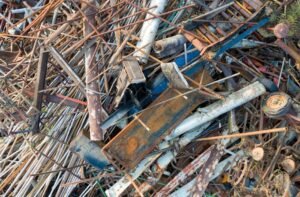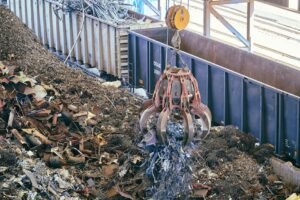

Scrap dealers play a vital role in Australia’s recycling economy by managing the collection, sorting, and processing of scrap materials. Understanding grades of scrap, recycling workflows, and environmental benefits helps businesses and individuals optimize their scrap trading strategies. Whether you’re a manufacturer, construction company, or homeowner, partnering with reliable scrap dealers ensures you maximize returns while contributing to sustainability goals.
What Do Scrap Dealers Do?
Scrap dealers specialize in acquiring, sorting, and selling scrap materials to manufacturers who repurpose them into new products. Their services include on-site pickup, grading, and processing of materials such as metal, plastic, and electronic waste. For example, What Is Scrap Trade explains how this system reduces raw material demand and lowers production costs for industries. Scrap dealers also provide market insights to help sellers negotiate fair prices based on current metal market trends.
Grades of Scrap Metal and Their Value
Scrap metals are categorized into grades based on purity, type, and usability. The two primary categories are:
- Ferrous Metals: Contain iron and have magnetic properties. Examples include steel, iron, and stainless steel. These are commonly used in construction and automotive industries.
- Non-Ferrous Metals: Non-magnetic metals like aluminium, copper, brass, and zinc. These are prized for their conductivity and corrosion resistance, making them ideal for electronics and plumbing.
Grading ensures buyers receive consistent quality. For instance, scrap metal dealers often use standardized systems to evaluate scrap, such as the ISO 14001 for environmental compliance or the International Scrap Specifications (ISS) for metal purity. Aluminium scrap dealers, in particular, sort alloys by grades like 6061 or 3003 to determine their market value.
How Recycling Works: From Scrap to Reuse
The recycling process involves several stages, all managed by scrap dealers and recycling facilities:
- Collection: Scrap is sourced from demolition sites, manufacturing plants, and households. Sell Scrap platforms streamline this by connecting sellers with nearby dealers.
- Sorting: Materials are separated using machinery or manual labor. Ferrous and non-ferrous metals are divided, while contaminants like plastic or glass are removed.
- Processing: Scrap is shredded, compacted, or melted into ingots. Aluminium scrap dealers often use smelting to purify the metal.
- Reprocessing: Recycled materials are sold to manufacturers for use in new products, such as automotive parts, construction materials, or electronics.
This closed-loop system saves energy and reduces the need for mining raw materials. For example, recycling aluminium uses 95% less energy than producing new aluminium from bauxite ore.
Environmental Benefits of Scrap Recycling
Recycling scrap metals and other materials offers significant environmental advantages:
- Resource Conservation: Recycling reduces the extraction of raw materials like iron ore, bauxite, and copper, preserving natural ecosystems.
- Energy Efficiency: Manufacturing with recycled metals typically uses 50-70% less energy than using virgin materials.
- Landfill Reduction: Recycling diverts millions of tons of waste from landfills annually, reducing methane emissions and soil contamination.
- Economic Growth: The scrap industry creates jobs in collection, processing, and manufacturing, contributing to Australia’s circular economy.
According to the Australian Recycling Industry Council, the country’s recycling sector is worth over $4 billion annually, with scrap metal trade accounting for a significant portion.
Choosing the Right Scrap Dealers in Australia
Selecting a reputable scrap dealer is critical for maximizing profits and ensuring ethical practices. Key considerations include:
- Licensing and Compliance: Verify that dealers hold valid licenses and adhere to scrap regulations, such as the National Waste Policy.
- Reputation: Read reviews and ask for referrals to identify dealers with reliable service and fair pricing.
- Facility Standards: Choose dealers with modern equipment for efficient sorting and processing, especially for high-value metals like copper or brass.
- Transparency: Ensure the dealer provides clear pricing, grading reports, and documentation for tax or compliance purposes.
Platforms like ScrapTrade offer directories of certified scrap dealers across Australia, making it easier to find local partners.
Practical Tips for Selling Scrap
To optimize your scrap trade experience:
- Prepare Your Materials: Clean and sort scrap metals to remove contaminants, as this improves grading and pricing.
- Research Market Prices: Monitor metal price fluctuations via Scrap Trade to time your sales for maximum profit.
- Negotiate Terms: Ask about bulk discounts or payment options, especially for large-volume sales.
- Track Transactions: Maintain records of sales for tax deductions and inventory management.
For businesses with regular scrap outputs, establishing long-term contracts with scrap dealers ensures consistent revenue and reduces logistical costs.
Conclusion
Scrap dealers are essential to Australia’s sustainable future, linking waste materials to industries that transform them into valuable products. By understanding grades of scrap, recycling workflows, and environmental benefits, individuals and businesses can make informed decisions that boost profitability and reduce environmental impact. Whether you’re selling scrap for the first time or expanding your recycling efforts, partnering with certified scrap dealers ensures compliance, efficiency, and long-term success. Start exploring scrap trade opportunities today and contribute to a cleaner, greener economy.
Frequently Asked Questions
What are the most valuable scrap metals in Australia?
Non-ferrous metals like copper, aluminium, and brass typically hold the highest value. For instance, copper scrap can fetch over $10/kg depending on market conditions, while aluminium prices vary between $1-3/kg.
How do I determine the grade of my scrap metal?
Grades are determined by material composition and purity. Ferrous metals like steel are graded by iron content, while non-ferrous metals are categorized by alloy types (e.g., 6061 aluminium). Contact a certified scrap metal dealer for accurate grading.
What are the environmental benefits of recycling scrap metal?
Recycling metal reduces energy consumption, conserves natural resources, and minimizes landfill waste. For example, recycling aluminium uses 95% less energy than producing new aluminium from bauxite ore.
How can I find local scrap dealers?
Use online directories like ScrapTrade or Scrap Trade to locate certified scrap dealers in your area. Always verify their licensing and reputation before making a sale.