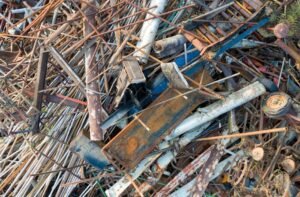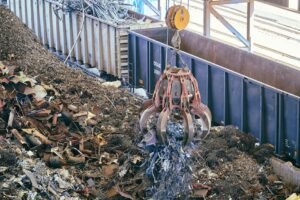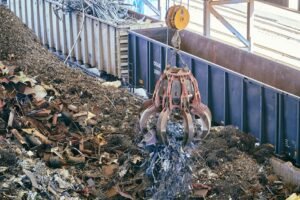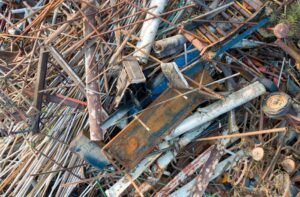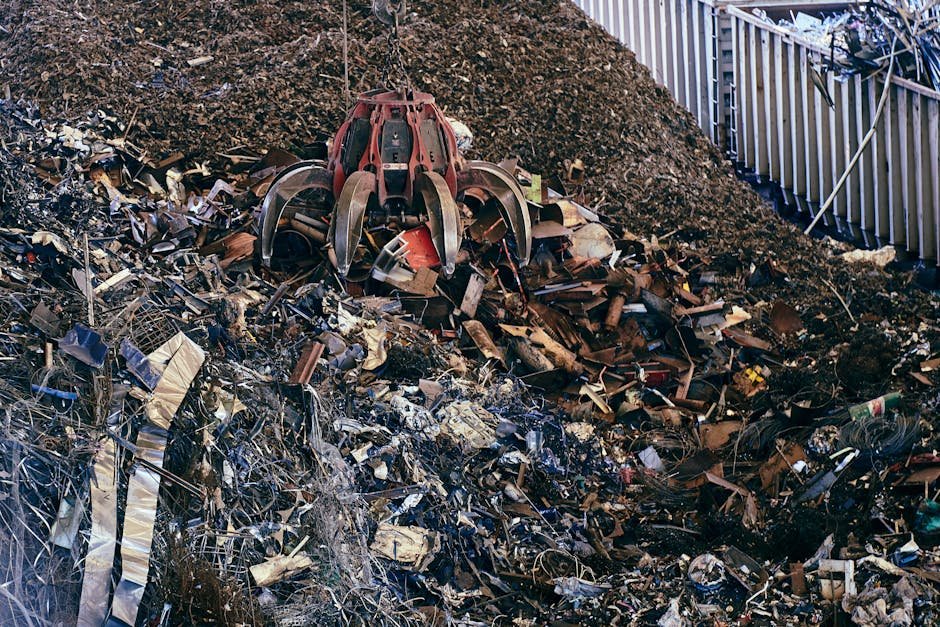

When you type “scrap dealers near me” into a search engine, you are looking for a local scrap yard or nearby recycler that can accept your metal waste, grade it correctly, and turn it into a valuable commodity. In Australia, the scrap metal industry is tightly regulated, highly efficient, and essential for reducing the environmental footprint of manufacturing. This guide explains the grades of scrap, how recycling works, and why choosing the closest dealer benefits both your wallet and the planet.
Understanding the Australian Scrap Metal Market
The Australian scrap metal market is one of the most mature in the world, with an annual turnover exceeding AUD 10 billion. The market is driven by demand from steel mills, foundries, and construction firms that rely on recycled feedstock to lower production costs and meet sustainability targets. Key players include large-scale processors, regional recyclers, and small‑scale scrap dealers that serve local communities. The supply chain begins with generators – households, construction sites, and industrial facilities – who separate ferrous (iron‑based) and non‑ferrous (copper, aluminium, brass) metals. These materials are then transported to a local scrap yard, where they are weighed, graded, and prepared for resale.
Regulatory oversight is provided by state and territory environmental agencies, which enforce licensing, record‑keeping, and environmental standards. For example, the Victorian Environment Protection Authority (EPA) requires all scrap dealers to maintain a register of transactions, ensuring traceability and preventing illegal dumping. Understanding these frameworks helps sellers comply with the law and choose reputable dealers.
Grades of Scrap: How Materials Are Classified
Accurate grading is the cornerstone of a profitable scrap transaction. Grades determine the price per tonne, the recycling pathway, and the end‑use of the material. Below is a concise overview of the most common grades in Australia:
- Ferrous Metals
- Heavy Melting Steel (HMS) 1 & 2: Clean, uncoated steel with a minimum thickness of 6 mm. HMS 2 includes mixed steel and is priced slightly lower.
- Stainless Steel: Grades 304 and 316 are the most valuable, often fetching 2–3 times the price of carbon steel.
- Cast Iron: Used in engine blocks and pipe fittings; requires removal of any non‑metal attachments.
- Non‑Ferrous Metals
- Copper: Includes bare bright copper, copper wire, and copper tubing. Pure copper commands the highest rates.
- Aluminium: Sorted into alloys such as 6061, 7075, and mixed aluminium. Clean, unpainted aluminium yields the best price.
- Brass & Bronze: Often sourced from plumbing fixtures and musical instruments; valued for its acoustic properties.
- Zinc & Lead: Recycled for galvanising and battery production respectively.
Each grade has specific preparation requirements. For instance, copper must be free of insulation, while aluminium should be stripped of paint and plastic. Failure to meet these standards can result in lower offers or rejection by the dealer. Many local scrap yards provide clear grading guides on their websites, and some even offer on‑site assistance to ensure your load meets the required specifications.
How Recycling Transforms Scrap into New Products
The recycling journey begins once your metal arrives at the dealer’s facility. The process can be broken down into four primary stages:
- Sorting & Segregation: Automated magnets separate ferrous from non‑ferrous metals. Advanced optical sorters and eddy‑current separators further differentiate alloys.
- Cleaning & De‑contamination: Materials are shredded, washed, and stripped of non‑metallic contaminants such as paint, oil, and plastics. This step improves melt quality and reduces energy consumption.
- Melting & Refining: The cleaned scrap is melted in electric arc furnaces (EAF) for steel or reverberatory furnaces for aluminium. Precise temperature control and fluxes remove residual impurities.
- Solidification & Fabrication: Molten metal is cast into ingots, billets, or slabs, which are then rolled or extruded into finished products like rebar, sheet metal, or automotive components.
Because recycled metal bypasses the energy‑intensive mining and primary smelting stages, the overall carbon footprint is dramatically reduced. For example, recycling aluminium saves up to 95 % of the energy required to produce primary aluminium from bauxite, while steel recycling cuts emissions by roughly 60 % compared with virgin steel production.
Environmental Benefits of Using a Local Scrap Yard
Choosing a local pickup service from a nearby recycler delivers tangible environmental advantages beyond the direct savings from recycled content. First, it cuts transportation emissions; a typical diesel truck emits about 2.5 kg CO₂ per kilometre, so a short haul to the closest dealer reduces the carbon impact of your scrap disposal.
Second, local processing helps prevent illegal dumping, a persistent problem in remote Australian regions. When scrap is diverted to a licensed yard, it is captured in the formal economy, tracked through government databases, and safely handled according to environmental standards.
Third, community‑level recycling supports a circular economy. By keeping metal in circulation, you reduce the demand for virgin ore extraction, which often involves habitat disruption, water pollution, and significant energy use. The cumulative effect of thousands of households and small businesses opting for local scrap dealers translates into measurable reductions in greenhouse‑gas emissions, landfill pressure, and resource depletion.
Finding the Right Scrap Dealers Near Me: Practical Tips
Locating trustworthy scrap dealers in my area can be straightforward if you follow a systematic approach. Below are eight actionable steps to help you identify the best partner for your metal waste:
- Search for “scrap dealers near me” on Google or Bing and review the map results. Focus on businesses that appear within a 20‑kilometre radius of your address.
- Check licensing and accreditation. In each state, the environment agency publishes a list of licensed recyclers. Verify the dealer’s licence number on the agency’s website.
- Read customer reviews. Platforms like Google My Business, Yelp, and local Facebook groups reveal real‑world experiences, especially regarding payment speed and professionalism.
- Compare pricing tables. Many yards post daily rates for ferrous and non‑ferrous grades. Look for transparent pricing rather than “call for a quote.”
- Assess service options. Does the dealer offer a local pickup service, or must you transport the load yourself? Some yards provide free collection for loads over a certain weight.
- Evaluate convenience. Proximity to major roads, operating hours that fit your schedule, and the availability of on‑site scales can save you time.
- Ask about waste handling policies. Reputable dealers will detail how they manage hazardous components, such as lead‑painted steel or copper with insulation.
- Confirm payment methods. Most Australian scrap yards pay by electronic funds transfer (EFT) within 24‑48 hours, but some still use cash or cheque. Choose a method that aligns with your cash‑flow needs.
By following these steps, you can quickly narrow down the list of potential partners and select the closest dealer that meets your quality, price, and service expectations.
Pricing, Payments, and Regulations for Australian Sellers
Scrap prices in Australia are tied to global commodity markets, particularly the London Metal Exchange (LME). However, local factors such as transportation costs, grade purity, and seasonal demand also influence the final offer. Here are the key elements that affect how much you receive:
- Market Benchmarks: Prices for copper, aluminium, and steel are quoted per tonne on the LME. Dealers add a spread to cover processing costs.
- Grade Premiums: Clean, uncoated metals fetch higher rates than mixed or contaminated loads. For example, bright copper may command AUD 9,500 / tonne, while mixed copper could be AUD 7,200 / tonne.
- Weight Accuracy: Certified scales at the yard ensure you are paid for the exact weight. Some dealers offer a “net weight” discount for loads that require extensive cleaning.
- Payment Terms: Most reputable yards settle payments via EFT within two business days. A few offer instant cash for small loads, but electronic transfers are the norm for larger transactions.
- Regulatory Compliance: Under the Australian Customs and Border Protection Act, exporters of scrap must provide documentation proving the material is not hazardous. Domestic sellers must retain transaction records for at least five years.
To stay informed, regularly monitor commodity price websites, subscribe to industry newsletters, and consider using price‑tracking tools offered by major scrap dealers. Knowing the market helps you negotiate better rates and avoid being under‑paid.
Connecting with the Wider Scrap Community
Beyond the immediate transaction, engaging with the broader scrap ecosystem can unlock additional benefits. Industry associations such as the Australian Recycling Association (ARA) host events, webinars, and networking sessions where you can learn about new recycling technologies, policy updates, and bulk‑sale opportunities.
Online forums and social media groups also provide a platform to share experiences, ask for advice on grading, and discover emerging local pickup services. By staying active, you contribute to a more transparent market and help shape best practices for future generations.
Take the Next Step Today
If you are ready to turn your metal waste into cash while supporting a greener economy, start by locating a reputable local scrap yard using the steps above. For a comprehensive overview of the industry, visit Scrap Trade’s official portal. To explore dealer listings across Australia, check out Scraptrade.com.au, which aggregates licensed recyclers and provides up‑to‑date pricing tables.
Remember, the phrase “scrap dealers near me” is more than a search query—it’s a gateway to a sustainable supply chain that benefits your pocket, your community, and the planet.
For deeper insight into the fundamentals of the industry, read our article What Is Scrap Trade. When you have a load ready, use our streamlined platform to Sell Scrap quickly and securely. Explore the full range of recyclable materials in our Scrap directory, and discover how our network of scrap dealers and specialized scrap metal dealers can serve you best.
Frequently Asked Questions
How do I know if a scrap dealer is licensed in my state?
Check the environmental agency’s website for your state—each agency publishes a list of licensed recyclers. Verify the dealer’s licence number against that list before handing over any material.
What grades of copper are most valuable for recycling?
Bright, uncoated copper and clean copper wire fetch the highest prices. Remove any insulation, paint, or other contaminants to qualify for premium rates.
Can I get a local pickup service for small loads?
Many Australian scrap yards offer free or low‑cost collection for loads over a minimum weight (often 500 kg). Contact the dealer to confirm eligibility and schedule a pickup.
How quickly will I be paid after delivering scrap?
Reputable dealers typically process payments via electronic funds transfer within 24‑48 hours of weighing the load, ensuring fast cash flow for sellers.