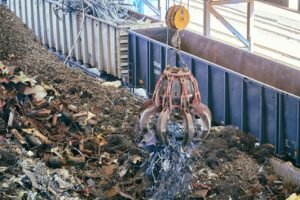
Understanding the nuances of scrap Eastbrook is essential for businesses and individuals looking to optimize their waste management strategies while contributing to a circular economy. In the Australian market, the industrial landscape relies heavily on the efficient recovery of ferrous and non-ferrous metals. Whether you are dealing with demolition debris, manufacturing offcuts, or end-of-life machinery, navigating the complexities of metal grades and market demand is crucial. If you are looking to Sell Scrap, knowing the current market conditions is the first step toward maximizing your return on investment.
The Fundamentals of the Scrap Metal Industry
To truly grasp the value of scrap Eastbrook, one must first understand What Is Scrap Trade. At its core, the scrap trade is the global engine of resource recovery. Metals are unique because they can be recycled infinitely without losing their structural integrity. Unlike plastics or paper, which often degrade in quality during the recycling process, metals like copper, aluminum, and steel retain their chemical properties through countless melting cycles. This infinite recyclability makes the scrap industry a pillar of global sustainability.
For those operating in the Eastbrook region, the local scrap ecosystem is integrated into a broader network of global commodity trading. The cost of scrap is determined by a complex interplay of supply and demand, international freight rates, and the purity of the material provided. When you engage with a reputable recycling platform, you aren’t just disposing of waste; you are participating in a sophisticated supply chain that feeds steel mills and smelting facilities worldwide.
Categorizing Scrap: Ferrous vs. Non-Ferrous
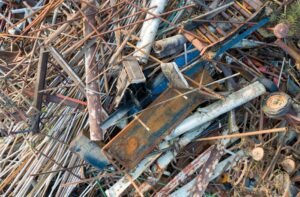
Metal recycling is not a one-size-fits-all process. The industry distinguishes between two primary categories: ferrous and non-ferrous. Ferrous metals, such as iron and steel, are magnetic and are primarily used in construction, automotive manufacturing, and heavy infrastructure. Because of their abundance, they are processed in massive quantities. Conversely, non-ferrous metals—including aluminum, copper, lead, zinc, and nickel—are non-magnetic and are highly valued for their corrosion resistance and conductivity.
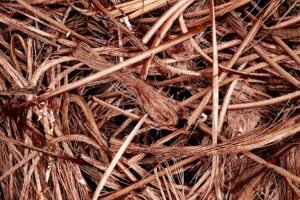
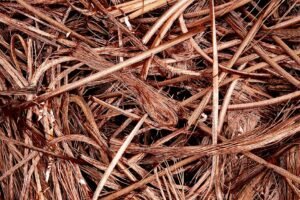
Within these categories, there are specific grades that dictate the market value. For instance, high-grade copper is categorized by its cleanliness and lack of insulation. When dealing with specialized materials like scrap carbide, the pricing is significantly higher due to the rarity of the tungsten and cobalt alloys involved. Proper sorting at the source is the most effective way to ensure you receive the highest possible payout for your scrap.
The Recycling Process: From Collection to Commodity
The journey of a piece of metal from a scrap yard to a finished product is a masterclass in industrial engineering. It begins with collection and transportation. Once the material reaches a processing facility, it undergoes a rigorous inspection process. Skilled technicians use handheld X-ray fluorescence (XRF) analyzers to determine the exact chemical composition of the metal, ensuring that alloys are correctly identified and separated.
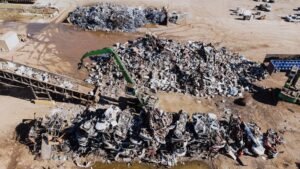
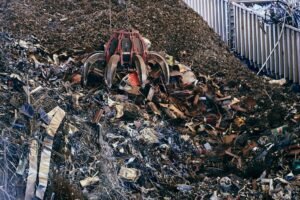
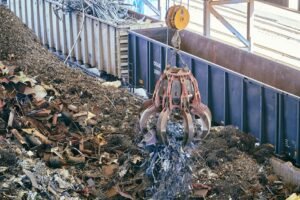
After identification, the metal is processed. This may involve shearing, shredding, or baling to reduce volume for efficient transport. Shredding is particularly common for automotive scrap, where massive machines tear vehicles into small fragments. Magnetic separators then pull the ferrous metals from the mix, while eddy current separators use electromagnetic fields to eject non-ferrous metals. The final step is the melting process, where the scrap is converted into ingots or billets, ready to be sold to manufacturers. This entire cycle is supported by digital platforms like Scrap Trade, which help streamline the logistics of moving materials from producers to processors.
Environmental Benefits of Metal Recycling
The environmental impact of recycling is profound. Mining virgin ore is an energy-intensive process that leaves a significant carbon footprint, involving deforestation, soil erosion, and the contamination of water sources. By contrast, recycling scrap metal consumes significantly less energy. For example, producing aluminum from recycled scrap uses roughly 95% less energy than producing it from virgin bauxite ore. Similarly, steel recycling reduces water consumption by 40% and air pollution by 86%.
By choosing to recycle, businesses in Eastbrook are actively reducing their greenhouse gas emissions and decreasing the amount of waste sent to landfills. This is not just an ethical choice but a strategic one, as many industries are now required to report on their environmental, social, and governance (ESG) performance. Utilizing a professional service like Scrap Trade Australia ensures that your metal waste is handled in compliance with environmental regulations, providing you with the documentation needed for sustainability reporting.
Strategic Tips for Maximizing Scrap Value
If you want to get the best return on your scrap, preparation is key. First, always sort your materials. Mixing high-value copper with low-value steel will result in a lower overall price, as the yard will have to spend time and resources separating it. Keep your non-ferrous metals separate from your ferrous metals. If you are dealing with industrial quantities, invest in bins or storage areas that allow for easy segregation at the point of origin.
Second, clean your scrap. Remove contaminants like plastic, wood, or dirt. For instance, stripping insulation from electrical wire can move it from a lower grade to a premium grade, significantly increasing its price per kilogram. Third, keep an eye on market trends. The scrap metal market is volatile and fluctuates based on global economic conditions. By staying informed through industry-leading platforms, you can time your sales to coincide with market highs.
The Future of the Scrap Industry
The future of the scrap industry is increasingly digital and automated. We are seeing the integration of AI-powered sorting technologies that can identify metals with near-perfect accuracy, reducing the risk of contamination in the melt. Furthermore, blockchain technology is being explored to track the provenance of recycled materials, providing manufacturers with proof of sustainable sourcing. For those in the scrap Eastbrook scene, embracing these technological shifts will be critical for maintaining competitiveness.
As global demand for raw materials continues to outstrip supply, the importance of the urban mine—our cities and industrial zones—will only grow. We are moving toward a circular economy where the concept of ‘waste’ is becoming obsolete. Every gram of metal recovered is a gram that does not need to be mined, preserving our natural resources for future generations. Whether you are a small business owner or a large-scale industrial operator, your contribution to this cycle is vital.
Frequently Asked Questions
To further assist our readers, we have compiled answers to common questions regarding the scrap metal industry. If you have specific inquiries about logistics, pricing, or material handling, these FAQs provide a solid foundation for your operations.
- How is the price of scrap metal determined? The price is determined by global commodity market indices, the purity of the metal, the weight of the shipment, and the current demand from local and international smelting facilities.
- What is the difference between ferrous and non-ferrous metals? Ferrous metals contain iron and are magnetic, such as steel and iron, while non-ferrous metals do not contain iron and are non-magnetic, such as copper, aluminum, and brass.
- Why is it important to sort my scrap before selling it? Sorting your scrap prevents cross-contamination, which allows the processing facility to offer you the highest possible market rate for each specific grade of metal.
- Can I recycle items that have plastic or rubber attached? While some facilities can process mixed materials, it is always best to remove non-metal attachments to ensure you receive the best price and to assist in the efficiency of the recycling process.
In conclusion, the scrap metal industry is a cornerstone of the modern Australian economy. By understanding the grades, the recycling process, and the environmental benefits, you are better equipped to manage your metal waste effectively. Whether you are looking to sell industrial quantities or simply clearing out a workshop, the principles of proper sorting and market awareness remain the same. As we look toward a more sustainable future, the role of the scrap trade will only become more significant. Ensure that you are working with reputable partners who prioritize transparency, efficiency, and environmental responsibility. Your commitment to proper recycling practices not only benefits your bottom line but also contributes to a healthier, more sustainable planet. For ongoing support and industry insights, continue to utilize the resources available on our platform to stay ahead of the curve in the ever-evolving scrap metal market.
Frequently Asked Questions
How is the price of scrap metal determined?
The price is determined by global commodity market indices, the purity of the metal, the weight of the shipment, and the current demand from local and international smelting facilities.
What is the difference between ferrous and non-ferrous metals?
Ferrous metals contain iron and are magnetic, such as steel and iron, while non-ferrous metals do not contain iron and are non-magnetic, such as copper, aluminum, and brass.
Why is it important to sort my scrap before selling it?
Sorting your scrap prevents cross-contamination, which allows the processing facility to offer you the highest possible market rate for each specific grade of metal.
Can I recycle items that have plastic or rubber attached?
While some facilities can process mixed materials, it is always best to remove non-metal attachments to ensure you receive the best price and to assist in the efficiency of the recycling process.