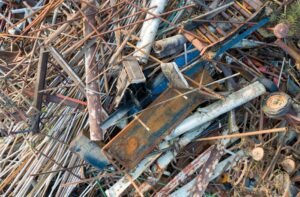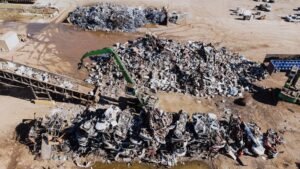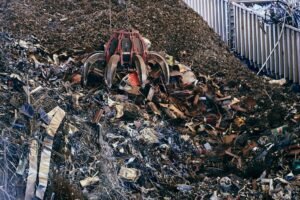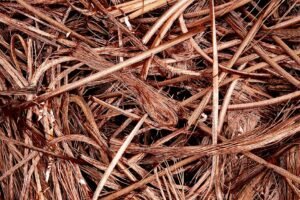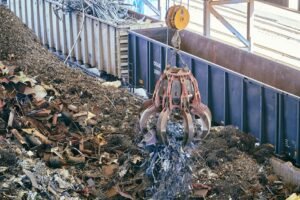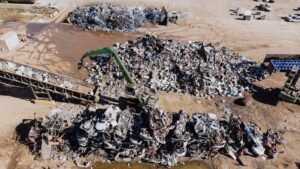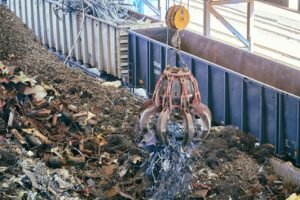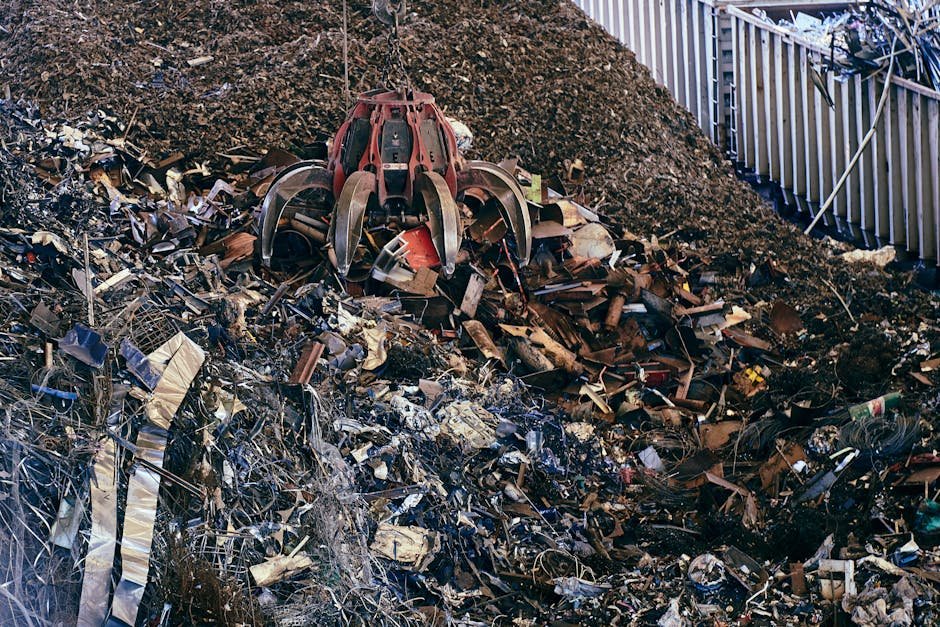

The term scrap industrial encompasses a broad range of metal byproducts generated during the production, fabrication, and dismantling of industrial equipment, structures, and machinery. These materials, once deemed waste, are now critical inputs in the global recycling supply chain, offering economic value and substantial environmental advantages. Understanding the classifications, processing methods, and ecological impacts of scrap industrial is essential for manufacturers, recyclers, and sustainability professionals across Australia.
What Is Scrap Industrial? Definition and Scope
The phrase scrap industrial refers specifically to metal remnants and offcuts produced during industrial operations such as machining, stamping, welding, demolition, and equipment decommissioning. Unlike post-consumer scrap—like old appliances or vehicles—industrial scrap is generated during the manufacturing process and is typically cleaner, more homogeneous, and easier to recycle due to consistent composition and minimal contamination.
Common sources of scrap industrial include steel mills, automotive plants, shipbuilding yards, construction sites, and heavy machinery fabricators. Because these materials are produced under controlled conditions, they often conform to strict metallurgical standards, making them highly desirable in secondary metal production. As a result, scrap industrial plays a pivotal role in Australia’s circular economy, feeding raw material back into the manufacturing sector while reducing reliance on virgin ore extraction.
In Australia, the industrial scrap sector is supported by a network of certified recyclers, scrap yards, and trading platforms that facilitate the collection, sorting, and redistribution of metals. These operations ensure that valuable resources are not lost to landfills but are instead reintegrated into productive use. For businesses seeking to optimise waste streams, understanding the value and handling of scrap industrial is both an economic and environmental imperative.
Major Grades of Scrap Industrial: Classification and Standards
Scrap industrial is categorised into precise grades based on metal type, purity, size, and contamination level. These classifications are critical for pricing, processing efficiency, and end-use applications. The Australian recycling industry adheres to both domestic standards and international benchmarks—such as those set by the Bureau of International Recycling (BIR) and ISO—to ensure consistency and quality.
Below are the primary grades of scrap industrial commonly traded in Australia:
- Heavy Melting Steel (HMS) 1 & 2: Thick-section steel scrap from industrial machinery, structural beams, and demolition. HMS 1 contains pieces over 6mm thick with no contamination; HMS 2 allows slightly smaller pieces and minimal mixed metals.
- Shredded Scrap: Processed through industrial shredders to reduce volume and remove non-metallics. Often used in electric arc furnace (EAF) steelmaking.
- Turnings and Borings: Fine metal chips from machining operations. Typically segregated by metal type (e.g., mild steel, stainless steel, brass) and may require de-oiling before recycling.
- Plate and Structural Scrap: High-quality, thick steel plates or I-beams from construction or decommissioned infrastructure. Valued for low contamination and high yield.
- Stainless Steel Scrap: Subdivided into 300-series (austenitic, non-magnetic) and 400-series (ferritic, magnetic). Must be separated to maintain alloy integrity during remelting.
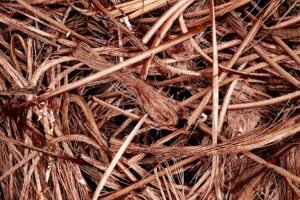
- Non-Ferrous Scrap: Includes aluminium, copper, brass, zinc, and lead. These are higher-value materials due to energy savings in recycling and scarcity of virgin sources.
- Electric Arc Furnace (EAF) Bundle: Compressed bundles of clean steel scrap designed for efficient furnace charging in steel mills.
Accurate grading ensures that recyclers can supply smelters with material that meets precise chemical and physical requirements. Misclassification can lead to impurities, increased processing costs, and reduced market value. Therefore, industrial generators are advised to segregate scrap at the source and maintain clear documentation of material types.
How the Scrap Industrial Recycling Process Works
The recycling of scrap industrial involves a multi-stage process that transforms waste metal into reusable raw material. Each step is engineered to maximise recovery, purity, and efficiency. In Australia, this process is regulated under the National Environment Protection (Used Packaging Materials) Measure and supported by industry best practices.
Here’s a detailed breakdown of the industrial scrap recycling workflow:
- Collection and Transportation: Scrap industrial is collected from factories, construction sites, and maintenance depots. Specialised trucks and containers transport the material to an industrial scrap yard, where it undergoes initial inspection.
- Sorting and Segregation: At the facility, scrap is sorted by type using manual labour, magnets (for ferrous metals), eddy current separators (for non-ferrous), and spectroscopy (for alloy identification). Contaminants like plastics, rubber, and oils are removed.
- Size Reduction: Large pieces are sheared, crushed, or shredded to facilitate handling and melting. Shredding also helps separate non-metallic components.
- Density Separation: Air classifiers or water baths separate light contaminants from metal fractions, improving purity.
- Baling and Briquetting: Turnings and fine chips are compressed into dense briquettes to prevent oxidation and improve furnace feed efficiency.
- Quality Control and Grading: Final batches are sampled and tested to confirm compliance with grade specifications. Certificates of analysis may be issued for high-value shipments.
- Shipping to Smelters: Processed scrap is loaded into railcars or shipping containers and sent to domestic or international steel mills and foundries.
- Remelting and Refining: In electric arc furnaces or basic oxygen furnaces, scrap industrial is melted and alloyed to produce new steel or metal products. Modern EAFs can use 100% scrap as feedstock.
The entire cycle—from collection to remanufacturing—can take as little as 60 days, demonstrating the speed and efficiency of modern recycling systems. This closed-loop model significantly reduces the time and energy required to bring recycled metal back to market compared to primary production.
Environmental Benefits of Recycling Scrap Industrial
Recycling scrap industrial delivers profound environmental benefits, making it a cornerstone of sustainable industrial practice. By reusing existing metal, Australia reduces its carbon footprint, conserves natural resources, and minimises landfill use.
Key environmental advantages include:
- Energy Savings: Recycling steel uses up to 75% less energy than producing steel from iron ore. For aluminium, the savings exceed 90%. This directly translates to lower greenhouse gas emissions and reduced demand on power grids.
- Reduced Mining Impact: Every tonne of recycled steel saves 1.1 tonnes of iron ore, 630 kg of coal, and 55 kg of limestone. This curbs habitat destruction, soil erosion, and water pollution associated with mining.
- Lower Carbon Emissions: The Australian steel industry estimates that recycling scrap industrial prevents over 50 million tonnes of CO₂ emissions annually—equivalent to removing 10 million cars from the road.
- Landfill Diversion: Metal is non-biodegradable and can leach contaminants over time. Recycling scrap industrial keeps thousands of tonnes out of landfills each year, preserving land and reducing long-term environmental liability.
- Water Conservation: Primary metal production requires vast quantities of water for cooling and processing. Recycling uses up to 40% less water, a critical benefit in drought-prone regions of Australia.
Furthermore, the recycling of scrap industrial supports Australia’s climate goals under the Paris Agreement and the National Waste Policy Action Plan. By enhancing resource productivity, the nation moves closer to a circular economy where waste is designed out, and materials are kept in use for as long as possible.
Economic Value and Market Dynamics of Scrap Industrial
Scrap industrial is not just an environmental asset—it’s a significant economic driver. The secondary metal market in Australia is valued at over AUD $5 billion annually, with exports of ferrous and non-ferrous scrap contributing to trade balance and job creation.
Prices for scrap industrial are influenced by global supply and demand, particularly from steel-producing nations like China, India, and Turkey. The London Metal Exchange (LME) and Scrap Monster provide daily benchmarks that affect local pricing. For instance, high demand for stainless steel scrap in Asia can increase domestic collection rates and improve returns for Australian generators.
Businesses that generate scrap industrial can turn waste into revenue by partnering with certified recyclers or using digital platforms to sell scrap directly. Transparent pricing, prompt payment, and compliance with environmental regulations make these transactions both profitable and sustainable.
Moreover, the rise of online marketplaces has increased competition and efficiency in the scrap trade. Platforms like Scrap.trade connect suppliers with buyers across the country, offering real-time quotes and logistics support. This digitisation lowers transaction costs and expands market access, particularly for small and medium-sized enterprises.
For industrial operators, optimising scrap recovery can reduce disposal costs, improve site safety, and enhance corporate sustainability reporting. Many companies now include scrap yield metrics in their environmental, social, and governance (ESG) disclosures, recognising the strategic importance of resource efficiency.
Best Practices for Handling and Selling Scrap Industrial
To maximise value and ensure compliance, businesses must adopt best practices in scrap industrial management. Proper handling not only increases return on scrap but also minimises liability and operational risks.
Recommended practices include:
- Segregate at Source: Separate ferrous, non-ferrous, and mixed metals during production. Use dedicated bins and clear labelling to prevent cross-contamination.
- Remove Contaminants: Drain oils, remove insulation, and detach non-metallic parts before storage. Clean scrap attracts higher prices and reduces processing fees.
- Maintain Accurate Records: Track scrap volumes, grades, and disposal methods. Documentation supports audits, tax claims, and ESG reporting.
- Partner with Licensed Recyclers: Verify that recyclers hold EPA approvals and follow safe handling procedures. This ensures legal compliance and environmental responsibility.
- Monitor Market Prices: Use online tools to track scrap metal trends. Selling during price peaks can significantly boost revenue.
- Explore Bulk Sales: Consolidate shipments to reduce transport costs. Consider long-term contracts with recyclers for price stability.
- Utilise Digital Platforms: List your surplus on marketplaces offering access to multiple buyers. For example, explore options to industrial scrap for sale to reach a broader audience.
By treating scrap industrial as a valuable commodity rather than waste, businesses unlock new revenue streams and contribute to national sustainability goals. Proactive management also strengthens supply chain resilience, reducing dependence on volatile raw material markets.
The Role of Technology and Innovation in Scrap Industrial Recycling
Advancements in technology are transforming the scrap industrial sector, improving efficiency, accuracy, and transparency across the recycling chain. From AI-powered sorting systems to blockchain-based tracking, innovation is driving the evolution of the industry.
Key technological developments include:
- Automated Sorting Systems: AI and machine learning algorithms enable robots to identify and separate different metal types at high speed, reducing human error and increasing throughput.
- XRF and LIBS Analyzers: Handheld X-ray fluorescence (XRF) and laser-induced breakdown spectroscopy (LIBS) devices allow real-time alloy identification, ensuring precise grading of stainless steel and non-ferrous scrap.
- Digital Weighbridges and Inventory Management: Integrated software tracks incoming and outgoing scrap, generating invoices and reports automatically. This improves accountability and customer service.
- Blockchain for Traceability: Emerging platforms use blockchain to create tamper-proof records of scrap origin, processing, and final use—critical for ESG compliance and supply chain transparency.
- Energy-Efficient Shredders: New shredder designs consume less power and produce fewer emissions, aligning with net-zero goals.
In Australia, organisations like CSIRO and the CRC for Recycling Metals are researching next-generation recycling techniques, including hydrometallurgical recovery and low-carbon remelting. These innovations promise to further reduce the environmental footprint of scrap industrial processing while increasing recovery rates.
For businesses, adopting digital tools enhances competitiveness and aligns with customer expectations for sustainable sourcing. Platforms such as What Is Scrap Trade provide educational resources and market insights to help stakeholders navigate this evolving landscape.
Conclusion: The Future of Scrap Industrial in Australia
Scrap industrial is more than a byproduct of manufacturing—it is a strategic resource that underpins environmental sustainability, economic resilience, and industrial innovation. As Australia moves toward a circular economy, the responsible management and recycling of industrial scrap will become increasingly vital.
The growing demand for low-carbon materials, combined with tightening environmental regulations, positions scrap industrial as a key enabler of green manufacturing. Steel produced from recycled scrap has a fraction of the carbon footprint of virgin steel, making it essential for decarbonising construction, transport, and energy infrastructure.
Businesses that embrace scrap industrial recycling not only reduce costs and generate revenue but also strengthen their brand reputation and compliance posture. Whether you’re a manufacturer, contractor, or recycler, understanding the grades, processes, and benefits of scrap industrial empowers smarter decisions and greater impact.
To learn more about how you can participate in this vital industry, visit Scrap.trade, Australia’s leading platform for scrap metal trading and recycling solutions. Additionally, explore Scrap Trade Australia for national market insights, regulatory updates, and industry news. By working together, we can maximise the value of scrap industrial and build a cleaner, more sustainable future for all.
Related: Scrap
Frequently Asked Questions
What is considered scrap industrial?
Scrap industrial refers to metal waste generated during manufacturing, construction, or industrial operations, including offcuts, turnings, and decommissioned machinery. It differs from post-consumer scrap due to its consistent composition and lower contamination.
How is scrap industrial recycled?
Scrap industrial is collected, sorted by metal type, cleaned, size-reduced, and processed into dense bundles or briquettes before being melted in electric arc furnaces to produce new metal products, completing the recycling loop.
What are the environmental benefits of recycling scrap industrial?
Recycling scrap industrial saves up to 75% of the energy required for primary steel production, reduces greenhouse gas emissions, conserves natural resources, and prevents metal waste from entering landfills.
Where can I sell scrap industrial in Australia?
You can sell scrap industrial through certified recyclers, local scrap yards, or online platforms like Sell Scrap on Scrap.trade, which connects suppliers with verified buyers nationwide.