
Scrap iron pickup is a critical component of Australia’s circular economy, enabling the recovery of ferrous metals for industrial reuse. This comprehensive guide explores the grades of scrap iron, the mechanics of recycling, and the environmental benefits of sustainable metal recovery. Whether you’re a business owner, DIY enthusiast, or environmental advocate, understanding scrap iron pickup empowers you to participate in resource conservation while optimizing financial returns from scrap metal trade.
Grades of Scrap Iron: Understanding Material Classification
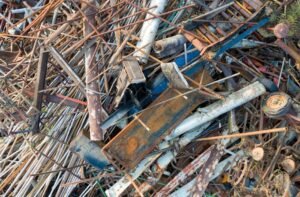
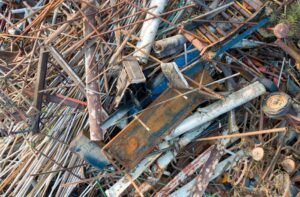
Scrap iron is categorized into distinct grades based on composition, purity, and industrial applications. The primary classifications include:
- Cast iron: High-carbon alloy with low melting point, commonly sourced from engine blocks, pipe fittings, and machinery parts
- Wrought iron: Mild steel with minimal carbon content, historically used in railings, gates, and structural beams
- Steel scrap: Includes carbon steel, stainless steel, and alloy steel, each requiring specialized recycling processes
- Heavy melting scrap (HMS): Clean, uniform metal pieces ideal for electric arc furnace (EAF) steelmaking
- Structural scrap: Beams, columns, and reinforcing bars from construction demolition
The iron price per kg varies significantly across grades. For example, stainless steel commands higher prices than mild steel due to its corrosion resistance properties. When arranging scrap iron pickup, accurate grading ensures fair pricing and efficient processing at recycling facilities.
How Scrap Iron Recycling Works: From Pickup to Reuse
The scrap iron pickup process follows a systematic workflow:
- Assessment: Certified appraisers evaluate material type, quantity, and contamination levels
- Collection
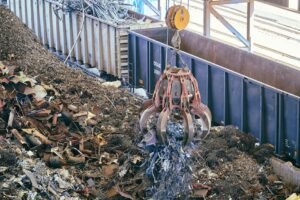
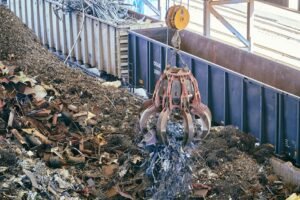
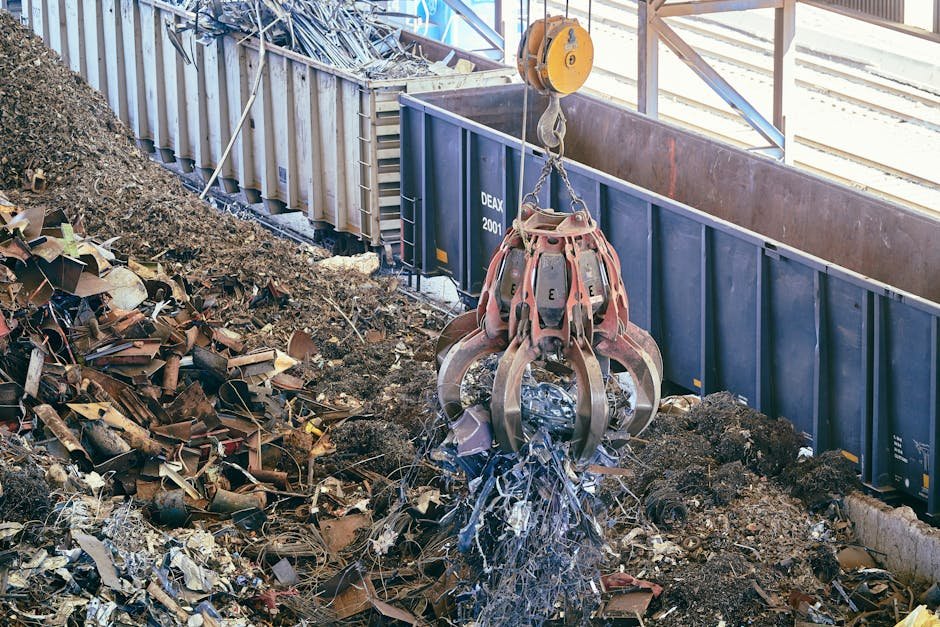
: Heavy-duty trucks equipped with magnetic cranes or hydraulic grabs transport materials to processing centers
- Sorting
- Shredding
- Smelting
- Repurposing
: Optical sorters and eddy current separators isolate ferrous scrap from non-ferrous metals
: Large pieces are processed through hammer mills to create uniform feedstock
: Recycled iron is melted down in blast furnaces or EAFs to produce raw steel
: Reforged metal enters manufacturing pipelines for new products
Modern recycling facilities achieve 98% energy efficiency in steel production using scrap compared to 85% for iron ore. For Australian businesses, partnering with certified Iron Scrap Group operators ensures compliance with environmental regulations while maximizing material recovery rates.
Environmental Benefits of Scrap Iron Recycling
Recycling 1 ton of ferrous scrap saves approximately 2,500 pounds of iron ore, 1,400 pounds of coal, and 120 pounds of limestone. Key ecological advantages include:
- Reduction of mining-related deforestation and habitat destruction
- Lower greenhouse gas emissions (recycling emits 58% less CO2 than primary steel production)
- Decreased landfill waste – Australia generates 8 million tons of construction and demolition waste annually
- Conservation of non-renewable resources through closed-loop systems
According to the Australian Recycling Industry Council, ferrous metal recycling prevents 2.5 million tons of CO2-equivalent emissions yearly – equivalent to removing 500,000 cars from roads. This makes scrap iron pickup a vital strategy in Australia’s climate action plans.
Practical Tips for Optimizing Scrap Iron Pickup
Maximize value and efficiency with these expert recommendations:
- Segregate materials: Keep cast iron separate from mixed ferrous scrap to command higher prices
- Document inventory: Maintain records of material types and quantities for transparent transactions
- Compare iron scrap buyers: Use online directories to find licensed recyclers with competitive pricing
- Prepare materials: Remove contaminants like paint, plastic, and non-metal components before pickup
- Monitor buying scrap iron trends: Track iron price per kg fluctuations in regional markets
For businesses generating regular scrap, establishing contracts with scrap trade providers ensures consistent revenue streams while supporting corporate sustainability goals.
Economic Impact of Scrap Iron Trade in Australia
Australia’s ferrous scrap market contributes $2.3 billion annually to the economy, with major export destinations including China, India, and Japan. Key statistics:
- Over 80% of recycled steel is used domestically in construction and manufacturing
- Ferrous scrap exports generated AUD 1.2 billion in revenue in 2023
- Steelworks in Port Kembla and Whyalla process 3 million tons of recycled iron yearly
- Scrap yards employ 12,000 workers across 800+ facilities nationwide
The scrap iron pickup industry supports regional economies by converting industrial waste into valuable resources. For small businesses, partnering with local scrap trade platforms provides access to national and international markets.
Choosing the Right Scrap Iron Pickup Service
When selecting a recycler for scrap iron pickup, prioritize these factors:
- Licensing: Verify compliance with Australian Standard AS 1673 for metal recycling operations
- Equipment capacity: Ensure trucks can handle your material volume and type
- Pricing transparency: Request written quotes with clear breakdowns of iron price per kg calculations
- Processing capabilities: Confirm the recycler can handle specialty grades like wrought iron or stainless steel
- Environmental credentials: Look for ISO 14001 certification and waste management plans
Platforms like Scrap Trade offer digital marketplaces where buyers and sellers can compare rates and services before scheduling pickups.
Future Trends in Ferrous Metal Recycling
Technological advancements are transforming the scrap iron pickup industry:
- AI-powered sorting systems increasing purity rates to 99.9% in high-grade steel production
- Blockchain traceability for recycled metals in critical infrastructure projects
- Hydrogen-based smelting reducing carbon intensity in steel manufacturing
- Mobile apps enabling real-time price tracking and pickup scheduling
- Government incentives for businesses achieving 100% scrap recovery rates
As Australia transitions to net-zero emissions by 2050, the role of scrap iron pickup will expand beyond resource recovery to become a cornerstone of sustainable manufacturing.
Conclusion: Embracing Sustainable Practices
The scrap iron pickup ecosystem represents a powerful synergy between economic and environmental priorities. By understanding material grades, optimizing recycling processes, and leveraging digital trade platforms, stakeholders can maximize value while reducing ecological footprints. For individuals and businesses alike, participating in this circular economy model ensures Australia remains a global leader in responsible metal resource management. Whether you’re coordinating a single pickup or managing industrial-scale recycling operations, informed decision-making today contributes to a more sustainable future.
Frequently Asked Questions
What are the main grades of scrap iron?
The primary grades include cast iron, wrought iron, steel scrap (carbon, stainless, alloy), heavy melting scrap (HMS), and structural scrap. Each grade has distinct properties and recycling requirements.
How does recycling scrap iron benefit the environment?
Recycling conserves natural resources, reduces mining activity, lowers greenhouse gas emissions by 58%, and prevents 8 million tons of construction waste from entering landfills annually in Australia.
What factors influence the iron price per kg?
Market demand, grade purity, regional supply chains, and global steel prices all impact the iron price per kg. Contamination levels and processing requirements also affect final pricing.
How to choose a reliable scrap iron pickup service?
Verify licensing, check processing capabilities for your material type, compare transparent pricing, and confirm environmental certifications like ISO 14001 for sustainable operations.