
Scrap metal auction platforms streamline the buying and selling of ferrous and non-ferrous metals, ensuring competitive pricing and sustainable resource management. With fluctuating scrap metal prices, understanding metal grades, recycling processes, and environmental benefits is critical for maximizing profitability and reducing ecological footprints. This guide covers everything from identifying high-value scrap to leveraging auction dynamics for business growth.
Understanding Scrap Metal Grades: Key Categories and Market Value
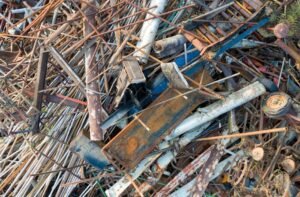
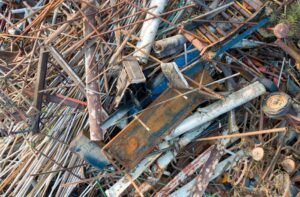
Scrap metal is classified into grades based on material type, purity, and reusability. The primary categories include:
- Ferrous metals: Iron and steel alloys, often magnetic. Common grades include structural steel, car shells, and industrial machinery. Ferrous scrap typically fetches lower prices due to abundance but remains vital for steel production.
- Non-ferrous metals: Non-magnetic, corrosion-resistant materials like copper, aluminum, brass, and stainless steel. These command higher prices due to their versatility in electronics, aerospace, and construction.
- Black metals: A subset of ferrous metals, including cast iron and wrought iron, used in infrastructure projects.
- White metals: Non-ferrous alloys like aluminum and zinc, prized for lightweight properties in automotive and packaging industries.
Grades are further categorized by cleanliness (e.g., “clean copper” vs. “copper with insulation”). For example, 1st-grade copper (pure, stripped wiring) can exceed AU$4.50/kg, while mixed ferrous scrap averages AU$0.15-0.25/kg. Always verify current market prices before auctioning.
How Scrap Metal Recycling Works: From Collection to Reuse
Recycling scrap metal reduces mining demand, conserves energy, and minimizes landfill waste. The process involves:
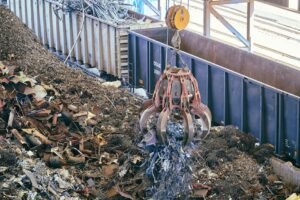
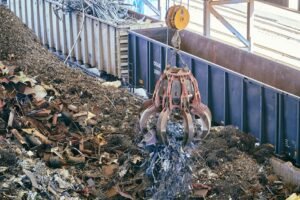
- Collection and Sorting: Scrap is gathered from demolition sites, manufacturing facilities, or local recycling centers and sorted by grade using magnets, X-ray fluorescence, or manual inspection.
- Shredding and Melting: Ferrous metals are shredded; non-ferrous metals are melted in electric arc furnaces at 1,500-3,000°C to remove impurities.
- Casting and Refining: Molten metal is cast into ingots or sheets for resale to manufacturers, with non-ferrous metals often undergoing electrolysis for purity enhancement.
For example, recycling 1 ton of aluminum saves 14,000 kWh of energy compared to primary production—a 95% reduction. Scrap.Trade partners with certified recyclers to ensure compliance with Australian environmental standards like the National Waste Policy Action Plan.
Environmental Benefits of Scrap Metal Recycling
Recycling metals significantly reduces carbon emissions and resource depletion. Key benefits include:
- Energy Savings: Producing steel from recycled scrap uses 60% less energy than iron ore processing.
- Landfill Diversion: Australia generates 14 million tons of construction and demolition waste annually; recycling metals reduces this by 25%.
- Lower Emissions: The industry avoids 50 million tons of CO2-equivalent emissions yearly, equivalent to removing 1.2 million cars from roads.
- Resource Conservation: Recycling 1 ton of copper saves 146 million liters of water and 10 kg of hazardous waste from mining.
By participating in scrap metal auctions, businesses and individuals directly contribute to Australia’s circular economy, aligning with the government’s 80% waste diversion target by 2030.
The Scrap Metal Auction Process: Bidding, Pricing, and Logistics
Scrap metal auctions operate through online platforms, physical yards, or hybrid models. Key steps include:
- Listing and Bidding: Sellers upload photos, grades, and weights. Buyers bid in real-time or set maximum limits. For example, a 50-ton lot of stainless steel 304 might attract bids from manufacturers, jobbers, or buy scrap metal resellers.
- Price Determination: Final prices depend on global metal prices, demand, and lot uniqueness. Non-ferrous metals often see 10-20% premiums over spot rates.
- Logistics and Payment: Winning bidders arrange transport via local recyclers. Payments are typically cash or instant bank transfer within 48 hours.
Platforms like metal scrap auction offer real-time tracking and grade verification, reducing disputes and ensuring transparency.
Practical Tips for Sellers and Buyers in Metal Scrap Auctions
Maximize returns and minimize risks with these strategies:
- For Sellers:
- Accurately grade and weigh materials. Use certified scales and third-party inspections for high-value lots.
- List during peak demand periods (e.g., pre-holiday seasons for construction metals).
- Set reserve prices based on historical data and regional demand.
- For Buyers:
- Monitor price trends to bid strategically. For instance, bid 5-10% above current copper prices during infrastructure booms.
- Verify lot details via video calls or on-site inspections. Look for hidden contaminants in mixed scrap.
- Build relationships with sellers for first dibs on premium grades.
Use the Sell Scrap Metal Near Me In 2026 tool to connect with bidders in your region.
Business Opportunities in the Scrap Metal Auction Industry
The Australian scrap metal market is valued at AU$12 billion annually, with growth driven by infrastructure projects and green policies. Key opportunities include:
- Scrap Brokering: Act as a middleman by sourcing low-cost scrap and reselling via metal scrap auction platforms. Margins can reach 15-25% for high-grade copper and aluminum.
- Recycling Plant Investments: Partner with certified recyclers to process scrap into ingots, which fetch higher prices in global markets.
- E-Waste Recycling: Target obsolete electronics for gold, silver, and palladium. A single ton of circuit boards contains 400-800 times more gold than ore.
Platforms like Scrap.Trade provide market analytics and logistics support, making entry easier for small businesses.
Challenges and Solutions in Scrap Metal Auctions
Common hurdles include price volatility, contamination, and regulatory compliance. Solutions include:
- Hedging Against Price Swings: Lock in prices for 30-60 days via futures contracts or auction lot bundling.
- Contamination Prevention: Use XRF scanners to detect non-metallic inclusions. Charge penalties for misgraded lots.
- Regulatory Compliance: Adhere to the Resource Recovery Act 2020 by maintaining audit trails for all transactions.
Collaborate with ScrapTrade.com.au to ensure adherence to state-specific regulations like Victoria’s Waste (Metals) Management Regulations 2009.
Case Study: Successful Scrap Metal Auction Practices in Australia
In 2023, a Queensland demolition company sold 200 tons of stainless steel 316 via metal scrap auction, fetching AU$2.80/kg—22% above the regional average. Key factors included:
- Pre-auction certification by METS (Mining Equipment, Technology & Services) for purity verification.
- Marketing the lot as “100% 316, no mixed grades” to attract specialty buyers in the marine and chemical industries.
- Offering free on-site inspections during a period of high demand for corrosion-resistant metals.
This approach highlights the value of transparency and niche targeting in competitive auctions.
Conclusion: Leveraging Scrap Metal Auctions for Sustainability and Profit
Scrap metal auction platforms are essential for Australia’s transition to a circular economy. By understanding metal grades, mastering recycling processes, and adopting strategic bidding practices, stakeholders can achieve both environmental and financial success. Whether you’re a seller looking to sell scrap metal near me in 2026 or a buyer seeking high-value lots, leveraging data-driven tools and certified partners is key to thriving in this dynamic market.
Frequently Asked Questions
What scrap metal grades offer the highest returns in Australia?
Non-ferrous metals like copper, aluminum, and stainless steel typically yield the highest returns. For example, 1st-grade copper can exceed AU$4.50/kg, while stainless steel 304 averages AU$2.50-3.50/kg.
How does recycling scrap metal benefit the environment?
Recycling reduces energy consumption by 60-95% compared to primary production, diverts millions of tons from landfills, and lowers CO2 emissions by 50 million tons annually in Australia alone.
What are the best practices for participating in a scrap metal auction?
Accurately grade materials, monitor scrap metal prices in real-time, and verify lot details through video inspections. Sellers should set reserve prices based on historical data.
How can I find a reliable scrap metal auction platform in Australia?
Use platforms like metal scrap auction or Scrap.Trade for transparent bidding, real-time tracking, and compliance with national recycling standards.