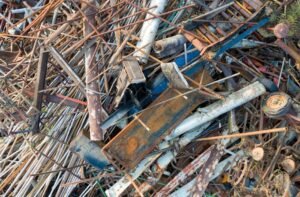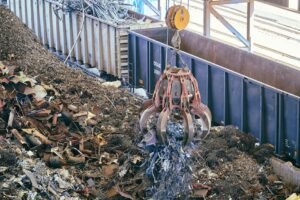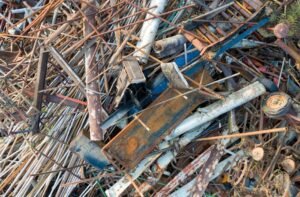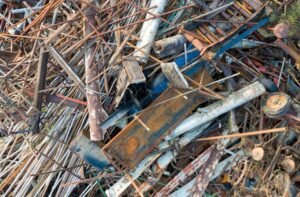

Scrap metal auctions are a vital part of Australia’s recycling ecosystem, offering an efficient way to repurpose materials while generating revenue. This guide covers everything you need to know about grades of scrap, the recycling process, and how these auctions contribute to sustainability. Whether you’re a business owner, demolition contractor, or individual seller, understanding scrap metal auctions can help you maximize profits and environmental impact.
Understanding Scrap Metal Grades
Scrap metal is categorized into grades based on material type, purity, and value. The most common categories include:
- Ferrous metals: Contain iron and are magnetic. Examples include steel, iron, and cast iron. These are widely used in construction and manufacturing.
- Non-ferrous metals: Non-magnetic and resistant to corrosion. Common types are aluminium, copper, brass, and zinc. These are valued for their conductivity and durability.
- Specialty metals: High-purity or rare metals like titanium, nickel, and stainless steel. These command premium prices due to their industrial applications.
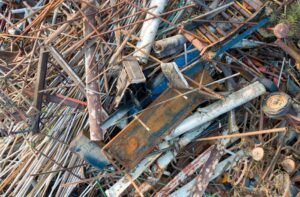
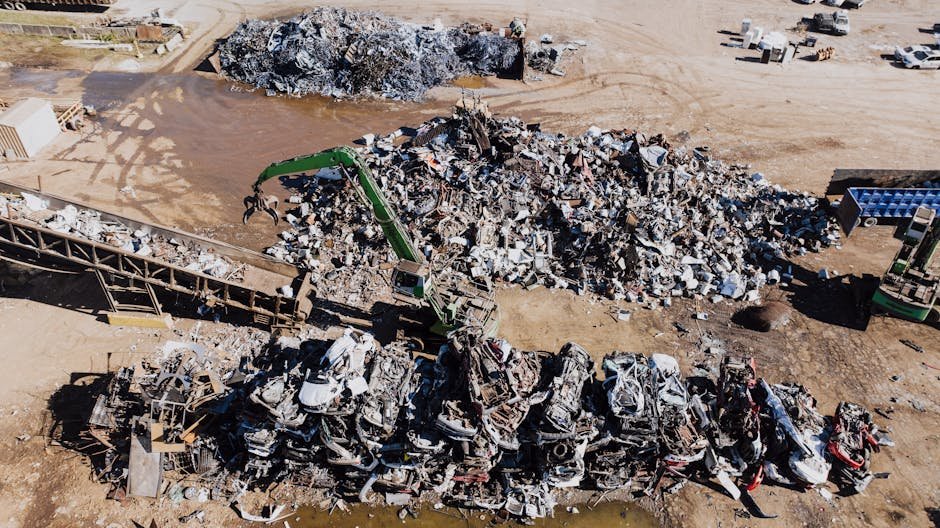
- Shredded scrap: Mixed materials from vehicles, appliances, or demolition projects. This is processed further to separate usable metals.
When participating in scrap metal auctions, knowing these grades helps you identify high-value materials. For example, copper wiring or aluminium cans typically fetch higher prices than bulk ferrous scrap. Always check scrap metal prices for real-time market values.
How Scrap Metal Recycling Works
The recycling process involves several stages to transform scrap into reusable materials:
- Collection: Scrap is gathered from demolition sites, manufacturing plants, or households. Use scrap metal removal near me services for efficient pickup.
- Sorting and grading: Metals are separated by type using sensors, magnets, and manual inspection. This step ensures accurate pricing at scrap metal auctions.
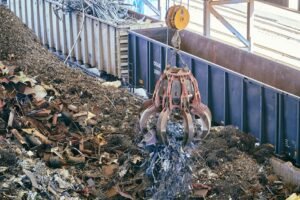
- Processing: Materials are shredded, baled, or melted depending on their grade. Non-ferrous metals may require chemical treatments to remove impurities.
- Re-melting: Cleaned scrap is melted in furnaces to form ingots, sheets, or other forms for reuse in manufacturing.
Recycling reduces the need for mining raw materials, conserving natural resources. For instance, recycling aluminium saves 95% of the energy required to produce new aluminium from bauxite ore.
Environmental Benefits of Scrap Metal Recycling
Recycling through scrap metal auctions offers significant environmental advantages:
- Energy savings: Recycling metals requires 50-70% less energy than producing new materials. This reduces greenhouse gas emissions and fossil fuel dependence.
- Landfill reduction: Scrap metal takes up 20% of landfill space globally. Recycling diverts millions of tons of waste annually.
- Resource conservation: Reusing metals reduces the need for mining, which can devastate ecosystems and communities.
- Carbon footprint reduction: Studies show that recycling steel cuts CO2 emissions by 58% compared to virgin steel production.
Australia’s recycling industry processes over 8 million tonnes of scrap annually. By participating in scrap metal auctions, individuals and businesses contribute to national sustainability goals.
Practical Tips for Selling Scrap Metal
Maximize your earnings at scrap metal auctions with these strategies:
- Research local markets: Use Scrap Metal Recycling Near Me to find nearby facilities with competitive prices.
- Sort and clean scrap: Pre-separating metals increases value. Remove contaminants like dirt or plastic to avoid deductions.
- Attend auctions strategically: Monitor Sell Scrap Metal Near Me In 2026 for upcoming events and bid on high-demand materials.
- Use certified recyclers: Partner with Scrap Trade for transparent pricing and eco-friendly practices.
For large quantities, consider scrap metal removal near me services. These professionals handle transportation and documentation, ensuring compliance with environmental regulations.
Choosing the Right Recycling Partner
When selecting a recycler for scrap metal auctions, prioritize the following:
- Reputation: Check reviews and certifications like ISO 14001 for environmental compliance.
- Facility capabilities: Ensure they can handle your specific scrap types, such as vehicle parts or industrial metals.
- Payment terms: Reliable recyclers offer upfront pricing and flexible payment options.
- Community impact: Choose partners like ScrapTrade Australia that support local sustainability initiatives.
Always verify a recycler’s licensing and environmental practices. A trustworthy partner ensures legal compliance and fair returns.
Future of Scrap Metal Recycling in Australia
Technological advancements are transforming scrap metal auctions and recycling. Innovations like AI-based sorting systems and blockchain tracking improve efficiency and transparency. Governments are also incentivizing recycling through programs like the National Waste Policy, aiming for 80% resource recovery by 2030.
Individuals and businesses can stay ahead by using platforms like Scrap Trade for auction updates and market trends. As demand for sustainable materials grows, recycling will play an even greater role in Australia’s circular economy.
Conclusion
Scrap metal auctions offer a win-win solution for profit and sustainability. By understanding grades, mastering the recycling process, and leveraging the right partners, you can turn scrap into value while protecting the environment. Whether you’re clearing a demolition site or managing industrial waste, Australia’s robust recycling infrastructure ensures responsible and rewarding outcomes.
Related: scrap metal removal
Frequently Asked Questions
What types of scrap metal are commonly auctioned?
Common auctioned metals include ferrous (steel, iron), non-ferrous (aluminium, copper), and specialty metals like stainless steel. Prices vary based on purity and demand.
How can I participate in scrap metal auctions?
Research local auction platforms, prepare sorted scrap, and contact certified recyclers like Scrap Trade for bidding opportunities and fair pricing.
What environmental benefits do scrap metal auctions provide?
Auctions reduce landfill use, conserve natural resources, and cut carbon emissions by repurposing materials instead of mining new ones.
How do I choose a reliable recycling partner?
Verify certifications, compare pricing, and assess facilities’ capabilities. Prioritize partners like ScrapTrade Australia for transparency and eco-friendly practices.