
Scrap metal Blacktown is a vital part of Australia’s circular economy, offering sustainable solutions for waste management and resource recovery. From industrial facilities to residential households, understanding the grades of scrap metal, how recycling works, and the environmental benefits can empower individuals and businesses to make informed decisions. Whether you’re looking to sell scrap metal near me in 2026 or explore scrap metal recycling near me, this guide provides actionable insights tailored to Blacktown’s unique needs.
Overview of Scrap Metal in Blacktown
Blacktown, a bustling region in western Sydney, generates significant volumes of scrap metal due to its industrial activity, construction projects, and automotive sector. Scrap metal here is categorized into ferrous (iron-based) and non-ferrous (non-iron-based) metals, each with distinct properties and recycling processes. The region’s scrap metal prices fluctuate based on global demand, supply chain dynamics, and local market conditions. By leveraging efficient recycling infrastructure, Blacktown contributes to national sustainability goals while generating revenue for businesses and households.
Grades of Scrap Metal in Blacktown
Scrap metal is classified into grades based on composition, purity, and usability. In Blacktown, common grades include:
- Ferrous Metals: Steel, iron, and alloys. These are magnetic and often used in construction and manufacturing. Examples include structural steel, automotive parts, and household appliances.
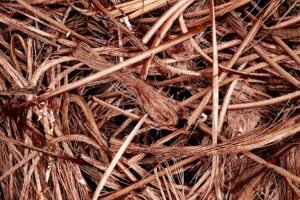
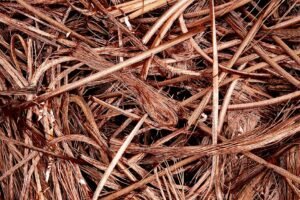
- Non-Ferrous Metals: Aluminum, copper, brass, and lead. These are non-magnetic, lightweight, and highly conductive. Copper wiring, aluminum cans, and brass fittings are frequently recycled.
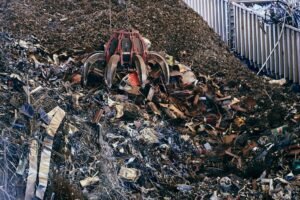
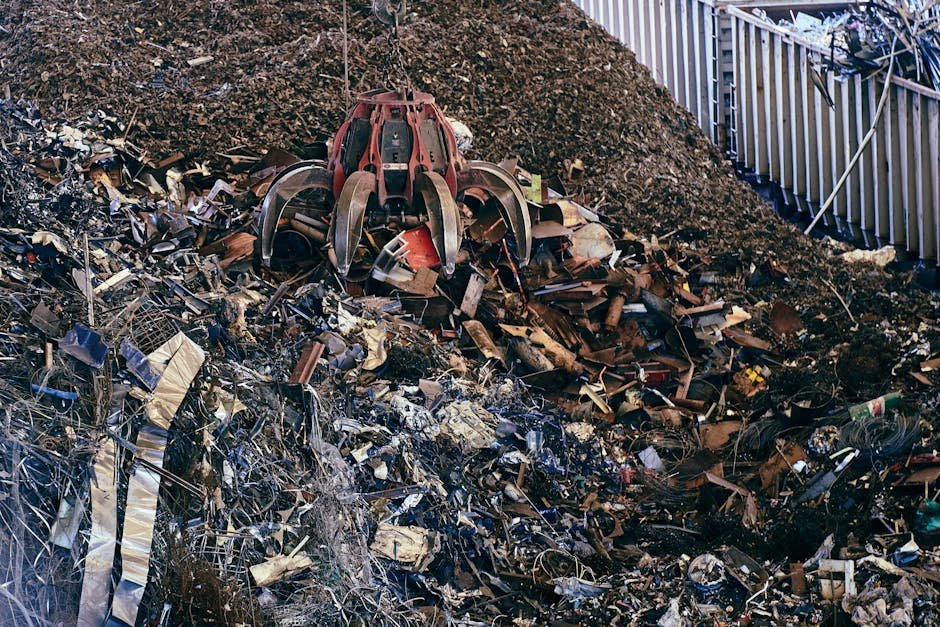
- Shredded Metal: Mixed metal waste from vehicles or demolition projects, requiring advanced sorting techniques.
- Processed Metal: Clean, sorted scrap (e.g., copper cable or aluminum sheets) that fetches higher prices due to its ready-to-use quality.
Understanding these grades helps determine the value of your scrap. For instance, pure copper can yield $5–$10 per kg, while mixed ferrous scrap might be priced at $0.20–$0.50 per kg. Always check current prices to maximize returns.
How Scrap Metal Recycling Works in Blacktown
Recycling scrap metal in Blacktown follows a structured process to ensure efficiency and sustainability:
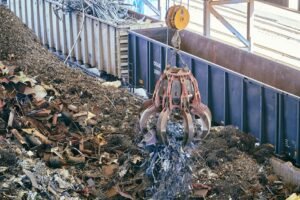
- Collection: Scrap is gathered via scrap metal collection Blacktown services or self-delivery to recycling centers. Large volumes often require scrap metal pick up Blacktown for convenience.
- Sorting: Advanced technologies like Eddy current separators and magnetic conveyors isolate ferrous and non-ferrous metals. Manual sorting ensures high-purity grades.
- Processing: Metals are shredded, melted, and refined to remove contaminants. Non-ferrous metals undergo electrolysis for further purification.
- Repurposing: Recycled metal is sold to manufacturers for new products, reducing the need for virgin materials.
Blacktown’s recycling hubs, such as Scrap Trade, utilize these methods to handle 10,000+ tons of scrap annually. Their facilities are equipped with state-of-the-art machinery to maximize recovery rates and minimize environmental impact.
Environmental Benefits of Scrap Metal Recycling in Blacktown
Recycling scrap metal offers profound environmental advantages, making it a cornerstone of sustainable practices in Blacktown:
- Energy Savings: Recycling aluminum requires 95% less energy than producing it from bauxite ore. Similarly, steel recycling saves 60–70% of energy compared to traditional methods.
- Resource Conservation: Recycling reduces the need for mining, preserving finite resources like copper and iron ore. For every ton of recycled steel, 1.5 tons of iron ore and 0.5 tons of coal are saved.
- Waste Reduction: Scrap metal recycling diverts millions of tons of waste from landfills. In 2023, Blacktown’s efforts diverted over 12,000 tons of metal waste, equivalent to 2,000 truckloads.
- Carbon Emission Reduction: The recycling process emits 85% less CO₂ than primary production. This aligns with Australia’s target to cut emissions by 43% by 2030.
By prioritizing recycling, Blacktown residents and businesses contribute to a cleaner environment while supporting a circular economy. Scrap Trade partners with local governments to promote recycling initiatives, offering tax incentives for high-volume contributors.
Practical Tips for Selling Scrap Metal in Blacktown
Maximizing returns from scrap metal sales requires strategic planning. Here’s how to optimize your efforts:
- Sort and Clean Scrap: Separate ferrous and non-ferrous metals to fetch higher prices. Remove contaminants like dirt or plastic.
- Track Market Prices : Prices fluctuate weekly. Use online tools to time your sales during peak periods.
- Use Local Services: Scrap metal pick up Blacktown services eliminate transportation costs and save time for large volumes.
- Document Everything: Keep receipts and records for tax deductions or insurance claims, especially for business-related scrap.
For seamless transactions, consider platforms like Scrap Trade, which offers transparent pricing, instant payouts, and eco-friendly practices.
Community Impact and Future Trends
Blacktown’s scrap metal industry is evolving with technological advancements and community engagement. Key trends include:
- Smart Recycling Bins: IoT-enabled bins track scrap volumes and notify collection services in real time.
- Upcycling Initiatives: Local workshops transform scrap into art or functional items, reducing landfill waste.
- Education Campaigns: Schools and businesses are educated on the value of recycling through workshops and partnerships with Scrap Trade.
As Blacktown aims for net-zero emissions by 2040, the scrap metal sector will play a pivotal role. By staying informed and leveraging local resources, residents can contribute to this green transition while benefiting economically.
Frequently Asked Questions
What are the most common grades of scrap metal in Blacktown?
The most common grades include ferrous metals (steel, iron) and non-ferrous metals (aluminum, copper). Ferrous metals are magnetic and used in construction, while non-ferrous metals are lightweight and conductive, ideal for electronics.
How does the recycling process work for scrap metal in Blacktown?
Scrap metal is collected, sorted using magnetic and manual methods, processed to remove impurities, and then melted down for reuse. Advanced facilities in Blacktown use shredding and electrolysis for efficiency.
What environmental benefits does scrap metal recycling provide?
Recycling reduces energy consumption by up to 95% for aluminum and 70% for steel, conserves natural resources, and cuts CO₂ emissions. It also prevents millions of tons of waste from entering landfills.
How can I find scrap metal collection services in Blacktown?
Use scrap metal collection Blacktown services for large volumes or visit local recycling centers. Online platforms like Scrap Trade provide listings and pricing.