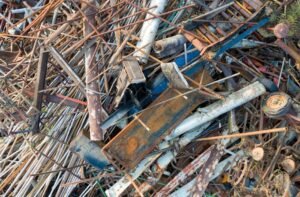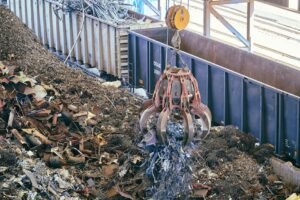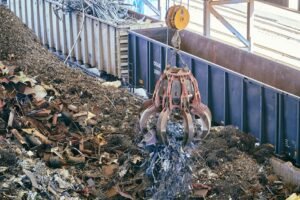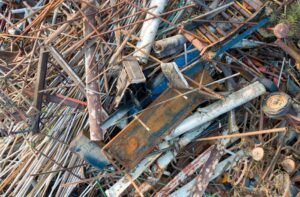

Understanding the world of scrap metal Browns Plains is essential for both local residents and businesses looking to contribute to a sustainable economy while potentially earning extra income. This comprehensive guide will delve into the various grades of scrap metal, demystify the intricate process of recycling, and highlight the profound environmental benefits that come from responsibly trading your scrap. As a key hub in the greater Logan area, Browns Plains has a vibrant scrap metal industry that serves as a critical link in Australia’s circular economy. Whether you’re a seasoned trader or new to the concept, this authoritative resource will equip you with the knowledge you need to navigate the local market effectively.
Understanding Scrap Metal Grades: From Household Junk to High-Value Commodities
Not all scrap metal is created equal. The entire recycling ecosystem is built upon a precise classification system that categorizes metal based on its type, composition, and purity. Knowing these grades is the first step to maximizing the value of your materials and ensuring they are processed correctly. The primary division is between ferrous and non-ferrous metals.
Ferrous Metals: The Magnetic Workhorses
Ferrous metals are alloys that contain iron, making them magnetic and susceptible to rust (corrosion) if not treated. They are typically heavier and are used in massive quantities in construction and manufacturing. The most common ferrous scrap includes:
- Cast Iron: Often found in old engine blocks, radiators, and heavy machinery. It’s brittle and has a rough, dark grey appearance.
- Light Iron/Steel: This category includes whitegoods (like washing machines and fridges, after degassing), sheet metal, and non-reinforced steel from household clean-ups.
- Heavy Melting Steel (HMS 1 & 2): A premium grade of ferrous scrap consisting of large, thick sections of steel, such as beams, girders, and clean machinery parts. HMS 1 is cleaner and larger than HMS 2.
- Shredded Scrap: Processed ferrous metal that has been shredded into small, fist-sized pieces in a giant hammer mill, ready for efficient melting in a furnace.
Non-Ferrous Metals: The Valuable & Corrosion-Resistant Stars
Non-ferrous metals do not contain significant iron, are generally not magnetic, and are highly resistant to corrosion. This category holds the most value per kilogram and is what scrap hunters are usually seeking. Key types include:
- Copper: The king of scrap metal due to its high conductivity and value. Grades include:#1 Copper (clean, uncoated wire and pipe), #2 Copper (slightly dirty or soldered), and Copper Wire (insulated).
- Aluminium: Lightweight and common. Grades range from clean extrusions (window frames) and cast (engine parts) to dirty mixed aluminium and foil.
- Brass: A yellow-colored alloy of copper and zinc. Found in taps, valves, and fittings. Clean brass commands a higher price.
- Stainless Steel: A special, high-value ferrous alloy that contains chromium, making it non-rusting. It is non-magnetic or slightly magnetic. Common in kitchen appliances, sinks, and commercial equipment.
- Lead, Zinc, and Nickel: Less common but still valuable, often found in batteries, roofing materials, and specialty alloys.
Staying informed on fluctuating scrap metal prices is crucial for anyone involved in the trade, as they are influenced by global commodity markets.
The Scrap Metal Recycling Process: A Journey from Waste to Resource
The recycling of scrap metal is a sophisticated, multi-stage industrial process that transforms end-of-life items back into raw material for new products. For a resident of Browns Plains, understanding this journey adds context to the importance of proper preparation.
1. Collection and Drop-Off
The process begins with you. This involves gathering scrap from homes, construction sites, factories, and automotive workshops. In Browns Plains, you can take your sorted scrap to a local yard. A simple search for Scrap Metal Recycling Near Me will help you find the most convenient and reputable facility. Many yards also offer pickup services for larger quantities.
2. Weighing and Sorting
Upon arrival at the recycling facility, your load is weighed. The material is then meticulously sorted. This is a critical step where metals are separated by type and grade. Advanced facilities use magnets to pull out ferrous metals, while eddy current separators use magnetic fields to eject non-ferrous metals from conveyor belts. Manual sorting by experienced workers is also essential for identifying different alloys.
3. Processing and Preparation
To make melting more efficient, large pieces of metal are often processed. This involves:
- Shearing: Hydraulic machinery cuts thick, heavy steel into smaller pieces.
- Baling: Light gauge metals like aluminium cans or sheet steel are compressed into dense, manageable blocks.
- Shredding: Cars and other large items are fed into powerful shredders that tear them into small pieces, allowing for easier separation of different materials.
4. Melting and Purification
The sorted and processed scrap is then transported to large mills or foundries. Here, it is melted in enormous furnaces. Each type of metal has a dedicated furnace operating at a specific temperature. During melting, samples are taken and the chemistry is often adjusted to achieve the exact alloy specification required. Impurities rise to the surface as slag, which is removed.
5. Solidification and New Product Manufacturing
The molten metal is poured into molds to form ingots, billets, or slabs. These cooled and solidified forms are then transported to manufacturing plants where they are rolled, drawn, or extruded to become new products—from new cars and building beams to aluminium cans and copper wiring, completing the circular loop.
The Environmental Imperative: Why Recycling Scrap Metal Matters
The environmental benefits of recycling scrap metal are undeniable and form the core reason why the industry is so vital to our future. Choosing to recycle is an active contribution to environmental stewardship.
Conservation of Natural Resources and Energy Savings
Mining virgin ore is an incredibly destructive and energy-intensive process. It involves deforestation, open-pit mining, and massive amounts of water and fossil fuel consumption. Recycling metal uses significantly less energy:
- Recycling aluminium saves up to 95% of the energy required to make new aluminium from bauxite ore.
- Recycling steel saves about 60-75% of the energy needed to produce it from iron ore.
- Recycling copper uses up to 85% less energy than primary production.
This massive energy saving directly translates to a drastic reduction in greenhouse gas emissions, helping to combat climate change.
Reduction in Landfill Waste and Environmental Pollution
Metal is not biodegradable. A car body or a washing machine left in a landfill will remain there for centuries, taking up valuable space and potentially leaching additives and chemicals into the soil and groundwater. By diverting this material to recycling, we dramatically reduce the volume of waste sent to landfill, conserve land, and prevent soil and water pollution.
Preservation of Landscapes and Ecosystems
As mentioned, mining operations drastically alter landscapes, destroy habitats, and lead to soil erosion and water contamination. By providing an alternative source of raw material, metal recycling reduces the demand for new mining projects, thereby helping to preserve natural landscapes, biodiversity, and ecosystems around the world.
The Local Browns Plains Scrap Metal Market
The scrap metal recycling market is a dynamic global economy, and Browns Plains is a participant in this vast network. Local prices are influenced by international demand, particularly from manufacturing powerhouses like China. The logistics of collecting, processing, and shipping material from a local yard in Browns Plains to a port and then to an overseas smelter is a complex operation. Understanding that your local actions are part of a global chain can underscore the importance of the industry. For the latest opportunities and best practices in the area, keep an eye on resources that show you how to Sell Scrap Metal Near Me In 2026.
How to Prepare Your Scrap Metal in Browns Plains for Maximum Value
Taking a little extra time to prepare your scrap can significantly increase its value and make the recycling process more efficient. Here are practical tips for locals:
- Sort and Separate: Keep different metals separate. Don’t mix steel with copper or aluminium. A bin of pure, clean copper wire is worth far more than a bin of mixed metals, which may be downgraded to the lowest-value material.
- Clean Your Metal: Remove any non-metal attachments. Take plastic off copper wire, rubber hoses off brass fittings, and steel bolts from aluminium castings. Clean metal fetches a higher price.
- Know What You Have: Use a magnet. If it sticks strongly, it’s ferrous (steel/iron). If it doesn’t stick, it’s a more valuable non-ferrous metal like copper, aluminium, or stainless steel.
- Store Safely: Keep your scrap in a dry place to prevent unnecessary corrosion and weathering.
- Call Ahead: Before loading up your ute, call your local scrap metal Browns Plains yard. Confirm their accepted materials, current prices, and any specific preparation requirements they may have.
Choosing the Right Scrap Metal Recycler in Browns Plains
Not all recycling yards are the same. It’s important to choose a reputable operator. Look for a facility that:
- Is fully licensed and complies with all environmental regulations.
- Offers transparent, fair pricing based on weight and current market rates.
- Has knowledgeable staff who can answer your questions.
- Prioritizes safety with a well-organized yard and clear procedures.
- Has a positive reputation within the local community.
Platforms like Scrap.Trade are revolutionizing the industry by connecting sellers directly with buyers, ensuring transparency and competitive pricing. For a comprehensive national network, you can also explore services through ScrapTrade.com.au.
Conclusion: Your Role in the Circular Economy
Engaging with the scrap metal Browns Plains market is more than just a way to clean up your property or earn some extra cash; it is an active and impactful participation in the global circular economy. By understanding the grades of metal, respecting the sophisticated recycling process, and appreciating the monumental environmental benefits, you become an informed and responsible citizen. Every piece of scrap metal you divert from landfill conserves energy, reduces pollution, and preserves natural resources for future generations. So, the next time you have an old appliance, some renovation waste, or even a collection of aluminium cans, see it not as junk, but as a valuable resource waiting to be reborn.
Frequently Asked Questions
What is the most valuable scrap metal I can find around the house?
Copper is consistently the most valuable household scrap metal. Look for old electrical wiring, plumbing pipes, and copper tubing from air conditioning units. Clean, uncoated copper wire (#1 Copper) commands the highest price per kilogram. Other high-value metals include clean brass (from taps and fittings) and aluminium extrusions (from window frames).
Do I need an ID to sell scrap metal in Browns Plains?
Yes, reputable scrap metal recycling facilities in Queensland, including those in Browns Plains, are required by law to verify the identity of sellers. This is a crucial measure to combat metal theft. You will need to present a valid form of government-issued photo identification, such as a driver’s licence, when you sell your scrap.
How often do scrap metal prices change?
Scrap metal prices are highly volatile and can change daily, sometimes even multiple times a day. They are directly tied to global commodity markets on the London Metal Exchange (LME) and are influenced by international demand, currency exchange rates, and global economic conditions. It’s always best to call your local yard on the day you plan to sell for the most current rates.
Can I recycle a whole car in Browns Plains?
Absolutely. Most scrap metal yards in the Browns Plains area accept end-of-life vehicles (ELVs). They will typically handle the entire process, including the safe drainage of fluids (oil, coolant) and the de-registration of the vehicle with the Department of Transport and Main Roads. You will usually be paid based on the weight of the vehicle’s scrap metal content.