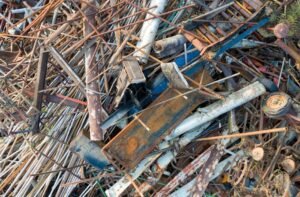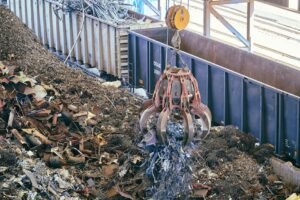

Scrap metal buyer services in Australia are essential for businesses and individuals seeking to recycle or monetize scrap materials. Whether you’re looking to sell scrap metal near me in 2026 or partner with a reliable scrap metal buyer, understanding the process, pricing, and environmental impact is critical. This guide provides actionable steps, trusted resources, and insights to help you navigate the scrap metal industry effectively.
Overview of the Scrap Metal Buyer Ecosystem
The Australian scrap metal industry is a $10 billion sector, driven by recycling, construction, and manufacturing demands. Scrap metal buyers range from small local recyclers to large-scale operations. Key players include scrap.trade and scraptrade.com.au, which connect buyers and sellers nationwide. The process involves sourcing scrap, grading it by quality, and selling it to smelters or manufacturers. Environmental regulations and market fluctuations also influence buyer behavior.
Where to Find Trusted Scrap Metal Buyers
To locate trusted dealers, leverage online directories like scrap metal recycling near me or local classifieds. Verify a buyer’s reputation by checking reviews, certifications (e.g., ISO 14001 for environmental compliance), and years in operation. Local government databases and industry associations like the Australian Recycling Industry Council (ARIC) can also validate legitimacy. Avoid unregistered buyers, as they may underpay or mishandle hazardous materials.
Factors Affecting Scrap Metal Prices
Scrap metal pricing is dynamic and influenced by global commodity markets, transportation costs, and material purity. Scrap metal prices fluctuate daily—monitor platforms like scrap.trade for real-time data. For example, ferrous metals (iron/steel) typically cost less than non-ferrous metals (copper/brass) due to their abundance. Demolition scrap buyers often pay lower rates for mixed materials but offer bulk discounts. Always negotiate pricing based on current rates and delivery terms.
How the Scrap Metal Buying Process Works
The process involves five stages: 1) Purchase scrap by contacting buyers via phone or online; 2) Schedule a pickup or drop-off; 3) Inspect materials for purity and weight; 4) Weigh and pay according to current rates; 5) Receive a receipt and track the recycling journey. Platforms like scrap metal purchasers streamline this process with online booking and instant quotes. For demolition scrap, demolition scrap buyer services specialize in large quantities and industrial materials.
Understanding Scrap Metal Grades and Specifications
Scrap is categorized by metal type and purity. Common grades include:
- Ferrous: Iron and steel, often in bundles or shredded forms.
- Non-ferrous: Copper, aluminium, brass, and stainless steel, valued for conductivity.
- Shredded: Mixed materials from vehicles or appliances.
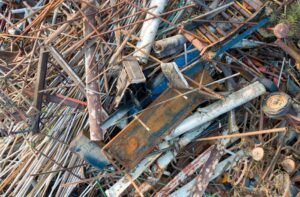
Contaminants like dirt or mixed metals reduce value. Use a magnet to separate ferrous and non-ferrous materials before selling. Buyers may reject unsorted or hazardous materials (e.g., lead batteries), so proper preparation is key.
The Recycling Process: From Scrap to Reuse
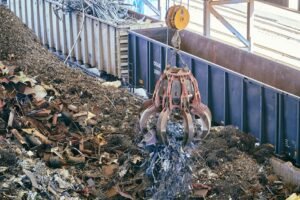
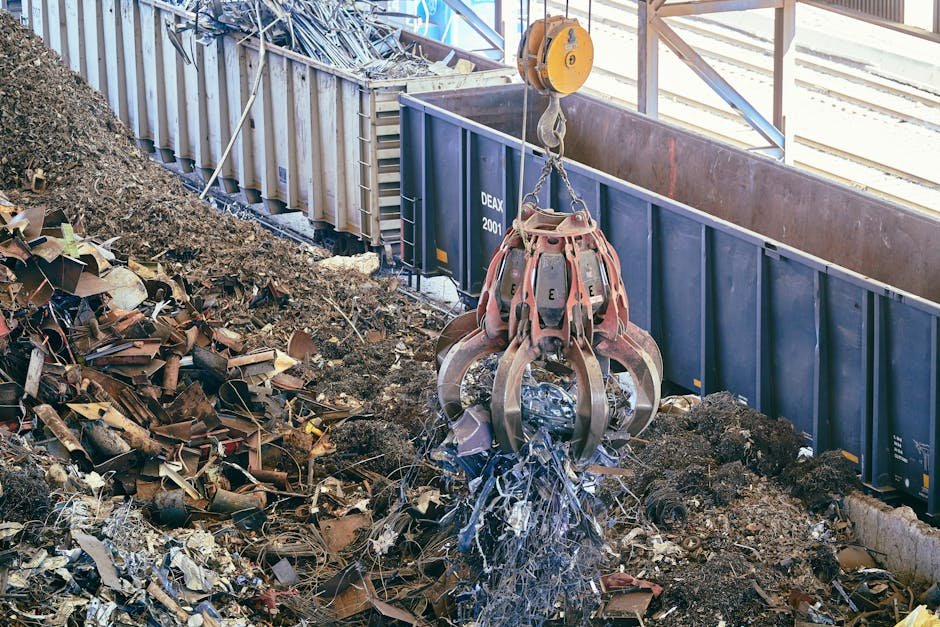
Recycling transforms scrap into new products through these steps: 1) Collection and sorting by metal type; 2) Shredding or melting in furnaces at scrap metal recycling near me facilities; 3) Casting into ingots or billets; 4) Manufacturing into construction steel, automotive parts, or electronics. Recycling conserves energy—producing steel from scrap uses 60% less energy than virgin iron ore. Australia recycles over 90% of ferrous scrap, making it a global leader in sustainable practices.
Environmental and Economic Benefits of Recycling Scrap Metal
Recycling reduces landfill waste, conserves natural resources, and lowers carbon emissions. For every tonne of steel recycled, 1.5 tonnes of iron ore and 0.5 tonnes of coal are saved. Economically, the industry supports 30,000 jobs in Australia and generates revenue through exports to Asia. As a scrap metal buyer, choosing certified recyclers ensures compliance with the National Waste Policy Action Plan, which prioritizes circular economy principles.
Practical Tips for Buyers and Sellers
- Use online tools like scrap.trade to compare prices and locate scrap buyer services.
- Document transactions with receipts to track tax deductions or rebates.
- Partner with demolition scrap buyer networks for bulk deals.
Stay informed about market trends and regulatory changes to maximize profits and sustainability.
Frequently Asked Questions
How do I find a reputable scrap metal buyer near me?
Use online directories like scrap metal recycling near me to locate certified dealers. Check for ISO 14001 certification and customer reviews to verify trustworthiness.
What factors influence scrap metal prices in Australia?
Global commodity markets, transportation costs, and material purity impact pricing. Monitor scrap metal prices for real-time updates and negotiate based on current rates.
What is the best way to prepare scrap metal for sale?
Sort materials by type (ferrous/non-ferrous), remove contaminants, and weigh them. Use a magnet to separate metals and avoid mixing hazardous items like batteries.
How does scrap metal recycling benefit the environment?
Recycling reduces landfill waste, conserves resources, and lowers carbon emissions. Producing steel from scrap saves 60% of the energy required for virgin iron ore.