
When you are searching for scrap metal Cockburn services, you are tapping into a vital component of the Western Australian circular economy. Recycling scrap metal is not merely about clearing out clutter from your shed or industrial site; it is a sophisticated industrial process that preserves natural resources and saves significant amounts of energy compared to primary ore extraction. Whether you are a local tradie, a demolition contractor, or a household resident, understanding the nuances of the market is essential for ensuring that your materials are handled responsibly and profitably.
Understanding the Scrap Metal Grades
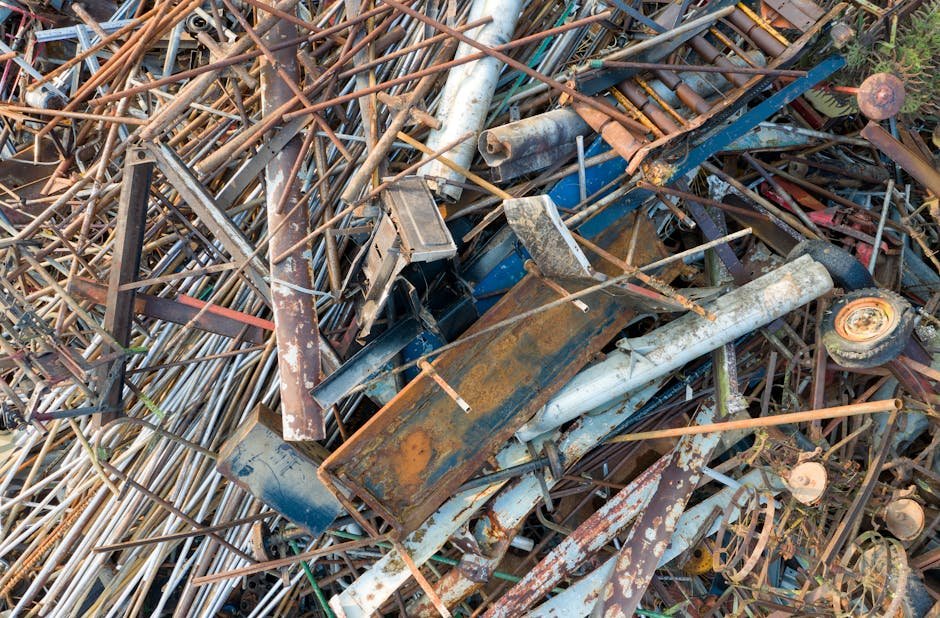
The value of your scrap is determined primarily by its grade. In the industry, metals are split into two main categories: ferrous and non-ferrous. Ferrous metals, such as steel and iron, contain carbon and are magnetic. They are the backbone of the construction industry. Non-ferrous metals, including copper, aluminium, brass, and lead, do not contain iron and are generally more valuable due to their versatility and scarcity. When you Scrap Metal Prices research, you will notice that non-ferrous metals command a higher premium.
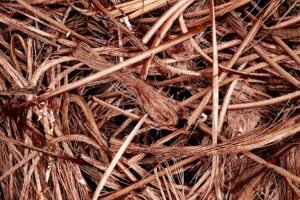
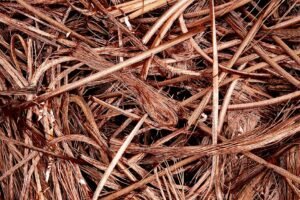
Copper is perhaps the most sought-after metal in the recycling stream. It is graded based on its purity: Bare Bright copper (clean, unalloyed wire) fetches the highest price, followed by #1 and #2 copper tubing. Aluminium is another staple, categorized into cast aluminium, extrusions, and sheet. Steel, while lower in price, is processed in massive volumes, often categorized as light gauge, heavy melting steel (HMS), or turnings. Understanding these grades allows you to sort your scrap effectively, which is the secret to maximizing your payout when you decide to Sell Scrap Metal Near Me In 2026.
The Scrap Metal Recycling Process
The journey of a piece of scrap metal from your property to a finished product is a fascinating industrial cycle. Once your metal arrives at a facility for scrap metal Cockburn processing, it undergoes a series of rigorous steps. First, the material is weighed on certified scales to ensure transparency. Next, it is sorted using advanced technology, including X-ray fluorescence (XRF) analyzers, which determine the exact chemical composition of the metal alloys. This technology ensures that even complex components can be recycled into high-quality secondary raw materials.
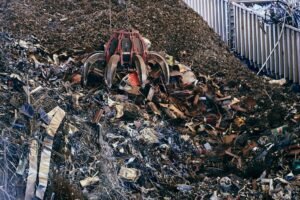
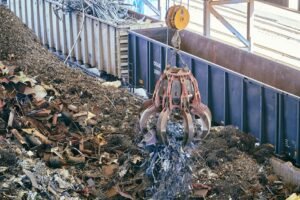
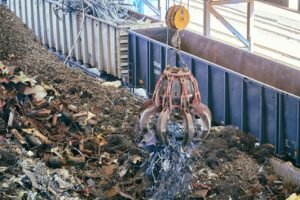
After sorting, the metals are processed. Ferrous metals are often shredded to remove contaminants like plastic or rubber, then magnetically separated. Non-ferrous metals are compacted into dense bales or melted down into ingots. These ingots are then sold to manufacturers who use them to create everything from car parts to beverage cans. If you are looking for a facility that handles this with precision, you can find Scrap Metal Recycling Near Me by utilizing our digital platform. By keeping materials in the loop, we prevent the need for destructive mining practices, which is a core mission of Scrap Trade.
Environmental Benefits of Recycling
The environmental impact of recycling cannot be overstated. Primary metal production is incredibly energy-intensive. For example, producing aluminium from recycled scrap requires 95% less energy than producing it from bauxite ore. By choosing to recycle your scrap metal in Cockburn, you are directly contributing to a reduction in greenhouse gas emissions. Furthermore, mining for new metals often leads to habitat destruction, soil erosion, and water contamination. Recycling mitigates these risks by treating existing metal as a finite resource that can be used indefinitely.
Beyond energy savings, recycling reduces the amount of waste sent to landfills. Metals that end up in landfill can leach toxic chemicals into the soil and groundwater over time. By diverting these materials to a professional recycler, you are ensuring that they are handled in accordance with strict environmental regulations. This is a critical aspect of modern waste management. Whether you are operating in barossa scrap metal regions or managing a site in the suburbs, the commitment to sustainability remains the same. Our partner network at Scrap Trade Australia provides the resources necessary to make these sustainable choices easy for everyone.
Maximizing Your Returns: Practical Tips
To get the best value for your scrap, preparation is key. Many people lose money simply because their scrap is “dirty”—meaning it contains non-metallic attachments. Before you head to a scrap metal Cockburn yard, take the time to remove plastic insulation from wires, separate brass fittings from steel pipes, and remove any non-metallic debris. Clean scrap is always worth more than mixed, contaminated scrap because it requires less processing time at the facility.
Another tip is to keep your metals separated by type. If you arrive with a trailer full of mixed, un-sorted scrap, the yard may offer a lower “mixed metal” price. By sorting your aluminium, copper, and steel into separate containers, you show the buyer that you have done the work, which often leads to a better price. If you are handling large volumes, consider keeping records of your scrap types and weights. This level of professionalism helps build a relationship with your local yard, which can be beneficial for long-term trading. For those managing scrap in other areas, such as scrap metal garfield, the same principles of sorting and cleaning apply.
Safety Protocols for Scrap Handling
Working with scrap metal involves inherent risks. Sharp edges, heavy loads, and hazardous materials require caution. Always wear appropriate Personal Protective Equipment (PPE), including heavy-duty gloves, steel-capped boots, and high-visibility clothing. When handling old appliances or industrial machinery, be aware of potentially hazardous components like capacitors, refrigerants, or oil residues. Reputable scrap yards will have strict policies regarding what they accept to prevent environmental contamination.
Never attempt to cut into sealed containers or pressurized cylinders, as these can explode. If you are unsure about an item, ask the yard staff before attempting to move or process it. Professional recyclers are trained to identify and safely handle hazardous waste. By prioritizing safety, you protect yourself, the environment, and the staff at the recycling facility. A safe site is a productive site, and the industry places a high premium on operators who follow these safety guidelines.
The Future of the Scrap Metal Industry
The future of scrap metal is bright, driven by technological advancements and a global shift toward a circular economy. We are seeing increased automation in sorting facilities, which allows for higher purity levels and better recovery rates. Digital platforms are also revolutionizing the way traders connect with buyers, providing real-time data on market trends and pricing. This transparency empowers the individual to make informed decisions about when and where to sell their scrap.
As Australia moves toward more stringent waste management targets, the role of the local scrap yard will become even more critical. We are moving away from a “take-make-dispose” model toward one where materials are reclaimed and repurposed. By participating in this system, you are not just making money; you are part of a global movement to preserve the planet for future generations. Whether you are a small-scale recycler or a large industrial firm, your contribution to the scrap metal ecosystem in Cockburn is vital.
Industry Standards and Compliance
Operating within the scrap metal industry requires adherence to both local and national regulations. In Western Australia, facilities must comply with environmental protection acts to ensure that the recycling process does not harm the local ecosystem. Compliance includes proper storage of materials, spill containment, and the documentation of the origin of the scrap to prevent the trade of stolen goods. When choosing a recycler, always ensure they are licensed and follow these ethical standards.
Transparency is the hallmark of a reputable business. A good recycler will provide clear, itemized receipts and explain how they arrive at their pricing. They will also be transparent about their environmental policies and their commitment to safe recycling practices. By choosing to work with compliant and ethical operators, you support a healthy industry and ensure that your scrap metal is handled with the integrity it deserves.
Conclusion
Recycling is more than just a transaction; it is a commitment to sustainability and efficiency. By understanding the grades of metal, the recycling process, and the value of your materials, you can effectively navigate the market in Cockburn. Whether you are looking to clear out your garage or manage industrial waste, the benefits of recycling are clear. We encourage you to use the resources provided here to find the best local options and to continue supporting the circular economy. Remember, every kilogram of metal recycled is a step toward a cleaner, more resource-efficient future.
Frequently Asked Questions
What is the most valuable scrap metal to collect?
Copper is generally the most valuable scrap metal due to its high demand in electrical and plumbing industries. Clean, bare bright copper wire typically fetches the highest price per kilogram.
Do I need to clean my scrap metal before taking it to a yard?
Yes, cleaning your scrap by removing non-metallic attachments like plastic, rubber, or wood will significantly increase its value. Clean, sorted metals are easier for recyclers to process and command higher prices.
How are scrap metal prices determined?
Prices are influenced by global commodity markets, supply and demand, and the purity of the metal. Factors like transport costs and the current grade of the material also impact the final offer.
Is it safe to recycle old appliances?
Yes, but you must be careful. Many old appliances contain hazardous materials like refrigerants or capacitors that must be removed by professionals to prevent environmental or physical harm.