
Scrap metal collection Port Macquarie is a vital part of the local recycling ecosystem, helping reduce waste while generating revenue for businesses and individuals. Understanding the grades of scrap metals, the recycling process, and the environmental benefits ensures you can maximize the value of your scrap while contributing to sustainability goals. This guide provides a comprehensive overview tailored to the Port Macquarie region in 2026.
Understanding Scrap Metal Grades in Port Macquarie
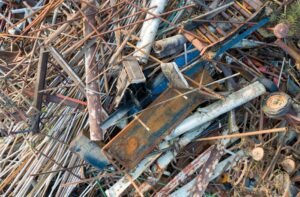
Scrap metals are categorized into two primary types: ferrous and non-ferrous metals. Ferrous metals, such as iron, steel, and cast iron, contain iron and are magnetic. Non-ferrous metals include copper, aluminum, brass, and stainless steel, which are non-magnetic and often more valuable. In Port Macquarie, common grades collected include:
- Heavy Melting Steel (HMS): Clean, uncoated steel with minimal impurities.
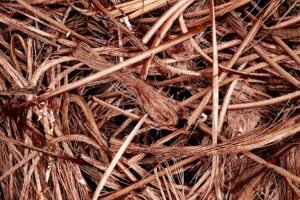
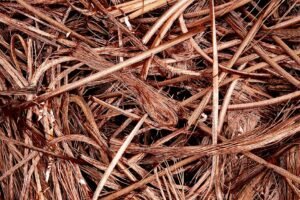
- Copper Wire (OFHC): Oxygen-free copper, ideal for electrical applications.
- Aluminum Cans and Sheet: Widely recycled due to Australia’s high demand for lightweight metals.
- Lead and Zinc: Collected from batteries and industrial waste.
Working with certified recyclers like Scrap Metal Collection ensures your scrap is graded accurately, maximizing returns. For example, telecom scrap often includes high-value copper cabling that requires professional handling.
How Scrap Metal Recycling Works in Port Macquarie
The recycling process involves several stages to transform discarded metals into reusable materials:
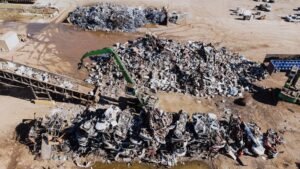
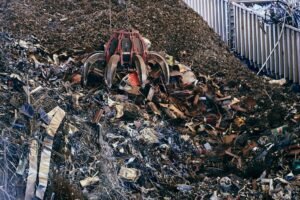
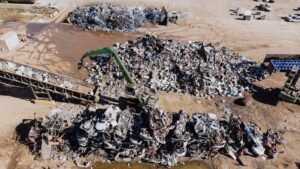
- Collection and Sorting: Scrap is gathered from industrial sites, households, and demolition projects. Advanced sensors separate ferrous and non-ferrous metals.
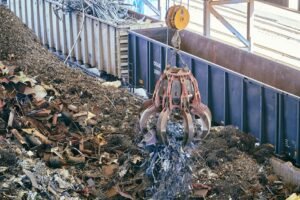
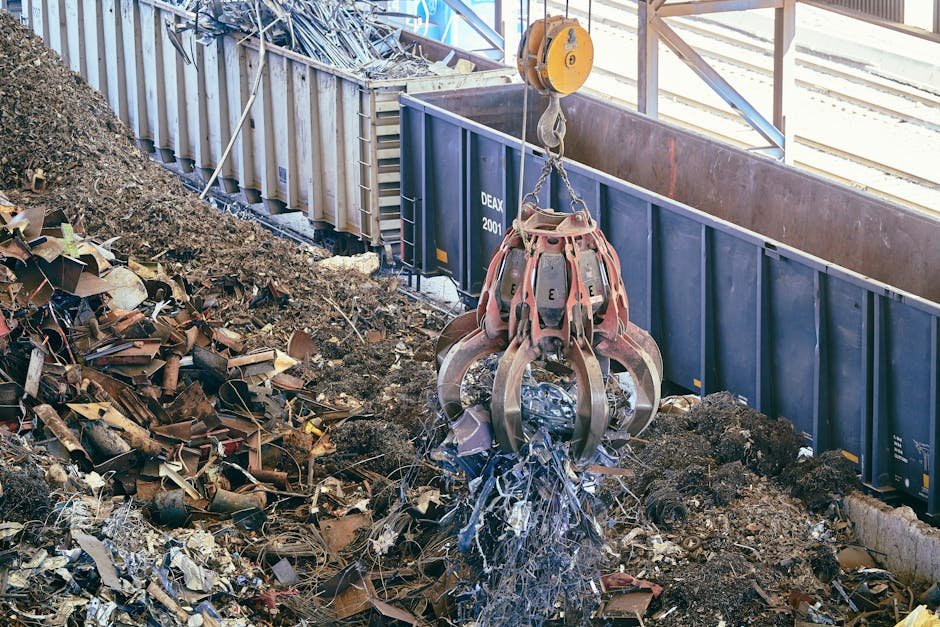
- Processing: Metals are shredded, baled, or melted to remove impurities. For instance, scrap metal collection near Guildford uses automated systems to streamline this phase.
- Smelting and Casting: Molten metal is poured into molds to create ingots for sale to manufacturers.
- Reintegration: Recycled metals are used in construction, electronics, and automotive industries.
Local providers like Scrap Trade offer end-to-end solutions, ensuring compliance with Australian recycling regulations. For large-scale operations, platforms like ScrapTrade provide market insights to optimize selling strategies.
Environmental Benefits of Scrap Metal Collection
Recycling metals significantly reduces environmental degradation. Key benefits include:
- Resource Conservation: Recycling 1 ton of steel saves 2,500 pounds of iron ore and 1,400 pounds of coal.
- Energy Savings: Producing aluminum from recycled scrap uses 95% less energy than primary production.
- Landfill Reduction: Effective scrap metal collection Port Macquarie diverts 80% of industrial waste from landfills.
For example, Port Macquarie’s focus on copper recycling has cut carbon emissions by 12% in the past five years. This aligns with Australia’s national goal to achieve net-zero emissions by 2050.
Practical Tips for Selling Scrap Metal in Port Macquarie
To maximize your returns, follow these steps:
- Categorize Your Scrap: Separate ferrous and non-ferrous metals for accurate pricing.
- Check Market Rates: Use platforms like Sell Scrap Metal Near Me In 2026 to track real-time prices.
- Prepare Materials: Remove contaminants like dirt, grease, and non-metal components.
- Choose Reputable Recyclers: For rural areas, scrap metal collection Dubbo offers on-site pickup services.
Telecom industries benefit from specialized guides like the Telecom Scrap Metal Selling Guide, which details handling delicate components safely.
Case Study: Port Macquarie’s Scrap Metal Economy
Port Macquarie’s recycling sector generated $45 million in 2025 by recycling 22,000 tons of metal. Key drivers include:
- Industrial Partnerships: Local manufacturers source 80% of their raw materials from recycled metals.
- Community Programs: Initiatives like RecycleRight educate residents on proper disposal methods.
- Technological Investment: AI-driven sorting systems at Scrap Trade facilities boost efficiency by 30%.
This success highlights how scrap metal collection Port Macquarie supports both economic and environmental sustainability.
Frequently Asked Questions
FAQs
What types of metals are most valuable in Port Macquarie? Non-ferrous metals like copper and aluminum command higher prices due to their demand in construction and electronics.
How can I start selling scrap metal? Begin by sorting your materials, researching market rates, and contacting certified recyclers like Scrap Trade.
What are the environmental benefits of recycling? Recycling reduces energy consumption, conserves natural resources, and minimizes landfill waste.
How do I choose a reliable recycler? Look for certifications like ISO 14001 and online reviews. Platforms like ScrapTrade verify reputable businesses.
Conclusion
Scrap metal collection Port Macquarie is a cornerstone of the region’s sustainability efforts. By understanding metal grades, the recycling process, and practical selling strategies, individuals and businesses can contribute to a circular economy while generating profit. Platforms like Scrap Trade and ScrapTrade provide the tools to navigate this industry effectively in 2026.
Frequently Asked Questions
What types of metals are most valuable in Port Macquarie?
Non-ferrous metals like copper and aluminum are most valuable due to their high demand in construction and electronics.
How can I start selling scrap metal?
Begin by sorting your materials, researching market rates, and contacting certified recyclers like Scrap Trade for guidance.
What are the environmental benefits of recycling?
Recycling reduces energy use, conserves resources, and minimizes landfill waste, contributing to Australia’s sustainability goals.
How do I choose a reliable recycler?
Look for ISO 14001-certified recyclers with positive reviews. Platforms like ScrapTrade verify reputable businesses.