
Scrap metal collectors Sydney play a vital role in Australia’s circular economy, particularly in New South Wales (NSW). Whether you’re a hobbyist or a professional, understanding the grades of scrap, the recycling process, and the environmental benefits can maximize your profits and sustainability efforts. This guide provides an in-depth look at the industry, tailored to Greater Sydney, Western Sydney, and the North Shore regions.
Grades of Scrap Metal in Sydney
Scrap metal is categorized into two primary grades: ferrous (magnetic, iron-based) and non-ferrous (non-magnetic, such as aluminum and copper). Each grade has distinct recycling values and applications:
- Ferrous Metals: Includes steel, iron, and cast iron. Commonly sourced from vehicles, construction debris, and appliances. Prices fluctuate based on global iron ore markets.
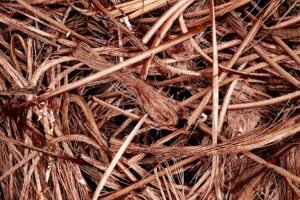
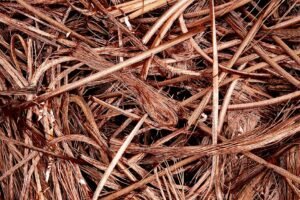
- Non-Ferrous Metals: Aluminum, copper, brass, and stainless steel. These are lightweight, corrosion-resistant, and highly valuable due to their reusability. For example, copper scrap in Sydney often commands prices between $5,000–$8,000 per tonne, depending on scrap metal prices.
- Specialty Scrap: Includes rare metals like titanium and nickel alloys. These are rare in residential collections but highly sought after by industrial recyclers.
Collectors in Western Sydney and the North Shore should prioritize separating non-ferrous metals, as they yield higher returns. For instance, scrap metal West Sydney facilities often pay premium rates for clean, sorted materials.
How Scrap Metal Recycling Works in NSW
The recycling process involves four key stages, ensuring maximum efficiency for scrap metal collectors Sydney:
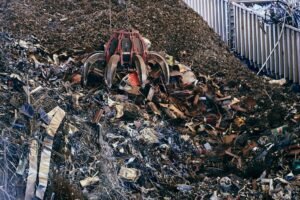
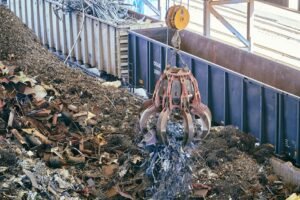
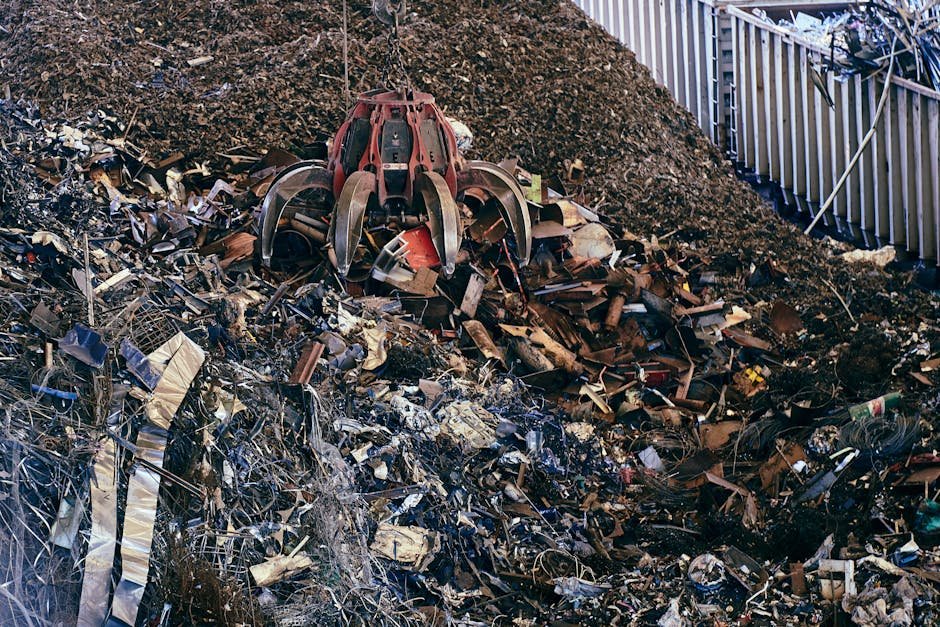
- Collection and Sorting: Collectors gather materials from sources like demolition sites, junkyards, or residential drop-offs. Sorting by grade and purity is critical to avoid contamination.
- Processing: Metals are shredded, baled, or melted down. For example, aluminum cans are crushed and compacted into bales weighing up to 1,000 kg for easier transport.
- Refining and Repurposing: Ferrous metals are smelted to produce new steel, while non-ferrous metals are purified and cast into ingots. In Greater Sydney, advanced facilities use EAF (electric arc furnace) technology to recycle steel with 90% less energy than virgin production.
- Reintegration: Recycled metals are sold to manufacturers for producing new products, closing the loop in the circular economy.
Local recyclers, such as those in the scrap metal in Sydney network, often provide instant payouts for clean, sorted materials, making it easier for collectors to monetize their efforts.
Environmental Benefits of Scrap Metal Recycling
Recycling scrap metal significantly reduces environmental harm compared to mining virgin materials. Key benefits include:
- Resource Conservation: Recycling 1 tonne of steel saves 2,500 lbs of iron ore and 1,400 lbs of coal. In NSW, this helps preserve ecologically sensitive mining sites like the Hunter Valley.
- Energy Efficiency: Producing aluminum from scrap uses 95% less energy than primary production. This reduces reliance on fossil fuels, particularly in energy-intensive regions like Western Sydney.
- Greenhouse Gas Reduction: The Australian recycling sector prevents over 10 million tonnes of CO2 emissions annually. By diverting scrap from landfills, collectors in the North Shore contribute to Sydney’s climate action goals.
For businesses and individuals, partnering with certified recyclers ensures compliance with NSW environmental regulations, such as the Environment Protection and Biodiversity Conservation Act.
Practical Tips for Scrap Metal Collectors Sydney
To optimize your operations, follow these expert strategies:
- Prioritize High-Value Metals: Focus on collecting copper wiring, aluminum cans, and stainless steel. For example, a single tonne of copper can fetch up to $20,000, depending on scrap metal prices.
- Invest in Sorting Tools: Use magnets to separate ferrous metals and scales to weigh bales accurately. Clean, sorted materials attract higher payouts from buyers.
- Stay Updated on Market Trends: Monitor international commodity markets and local demand. Scrap Trade, a leading recycling platform, offers real-time price tracking for NSW collectors.
- Partner with Reputable Buyers: Work with licensed recyclers in Greater Sydney to ensure fair pricing and eco-friendly practices. Always verify licenses under the NSW Waste Regulation Advisory Committee.
For a seamless experience, use Sell Scrap Metal Near Me In 2026 to locate nearby facilities in Western Sydney or the North Shore.
Scrap Metal Collection in Greater Sydney and Western Sydney
Geographic location impacts scrap availability and recycling infrastructure. Scrap metal collectors Sydney in Greater Sydney benefit from:
- High-Density Urban Areas: Suburbs like Parramatta and Randwick generate significant residential scrap, including appliances and construction waste.
- Industrial Hubs: Western Sydney’s manufacturing sector produces large volumes of ferrous scrap, ideal for bulk collection.
- Transport Accessibility: Major highways like the M4 and M7 facilitate efficient transport of scrap between Greater Sydney and regional NSW.
North Shore collectors should leverage proximity to educational institutions and tech parks, which generate stainless steel and copper scrap from laboratories and electronics.
Challenges and Solutions for Scrap Collectors
Despite opportunities, collectors face challenges such as:
- Market Volatility: Prices for non-ferrous metals can fluctuate rapidly. Mitigate risk by diversifying collected materials.
- Regulatory Compliance: NSW requires permits for large-scale collection. Check the Scrap Trade website for licensing guidance.
- Competition: Partner with local councils for waste management contracts to secure steady supply streams.
Adapting to these challenges ensures long-term profitability and sustainability for scrap metal collectors Sydney.
Related: Scrap Metal Recycling Near Me
Related: scrap metal west sydney
Related: scrap metal in sydney
Frequently Asked Questions
What are the most valuable scrap metals in Sydney?
Copper, aluminum, and stainless steel are the most valuable scrap metals in Sydney due to their high demand and reusability. Non-ferrous metals like copper can fetch up to $20,000 per tonne, depending on market conditions.
How can I start recycling scrap metal in NSW?
Begin by researching local recycling facilities, investing in sorting tools, and understanding scrap metal prices. Partner with licensed recyclers in Greater Sydney to ensure compliance and fair payouts.
What environmental benefits does scrap metal recycling offer?
Recycling scrap metal reduces the need for mining, conserves natural resources, and lowers greenhouse gas emissions. For example, recycling aluminum saves 95% of the energy required to produce new aluminum.
How do I find scrap metal recycling services near me in Sydney?
Use platforms like Scrap Metal Recycling Near Me to locate certified recyclers in Western Sydney, the North Shore, or other suburbs. Always verify licenses and pricing before selling.