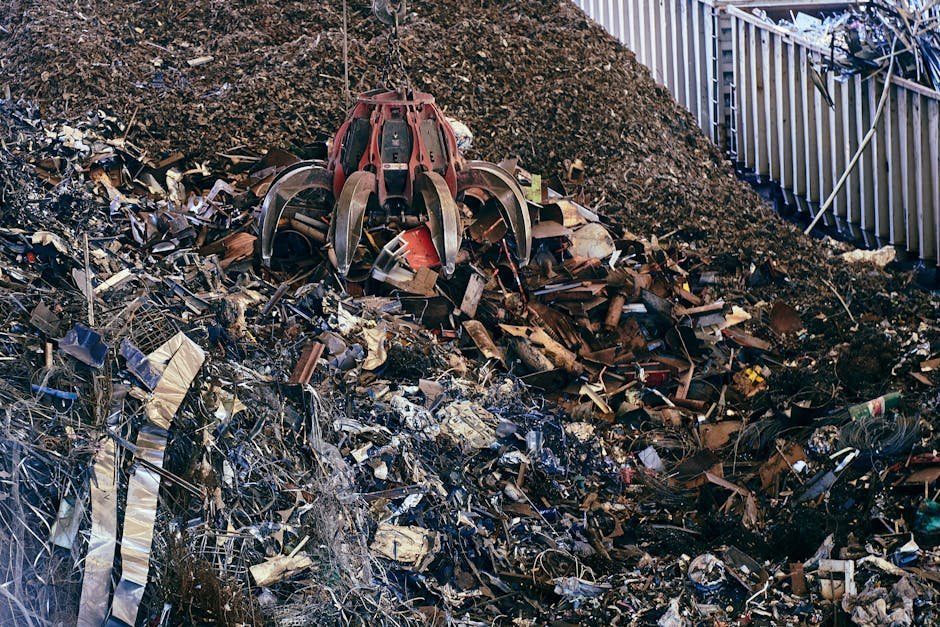

For individuals and businesses located in the Cardinia Shire, finding reliable scrap metal Dewhurst services is essential for efficient waste management and financial gain. As the industry evolves, understanding the nuances of metal grades and the broader circular economy becomes a competitive advantage. Whether you are clearing out a residential shed or managing industrial site waste, the process of recycling metal is a cornerstone of sustainable development in Victoria. By choosing to recycle, you are not only clearing space but also contributing to a global supply chain that values resource recovery over raw extraction.
Understanding Metal Grades: Ferrous vs. Non-Ferrous
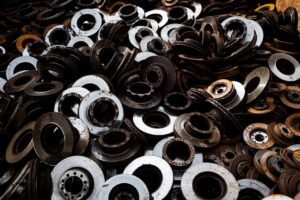
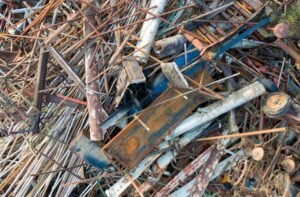
The foundation of the scrap industry lies in the categorization of materials. To optimize your returns when you Scrap Metal Prices, you must first distinguish between ferrous and non-ferrous metals. Ferrous metals contain iron, making them magnetic and generally more abundant. Common examples include structural steel, cast iron, and wrought iron. While these are vital for construction, they typically trade at lower price points than their non-ferrous counterparts due to their higher availability.
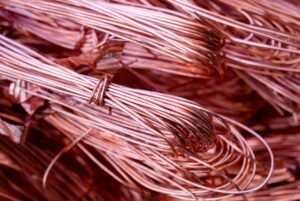
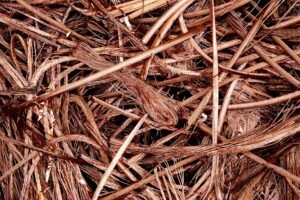
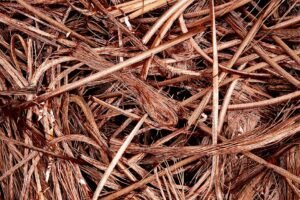
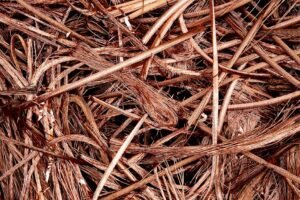
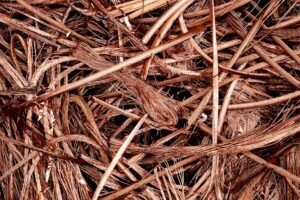
Non-ferrous metals, on the other hand, do not contain iron and are prized for their resistance to corrosion and high conductivity. This category includes copper, aluminium, brass, lead, and stainless steel. Because these materials do not degrade during the recycling process, they can be melted down and repurposed indefinitely. Understanding these categories is the first step when you look to Sell Scrap Metal Near Me In 2026. By separating your copper wiring from your steel beams, you ensure that you are paid the highest possible market rate for each specific material type.
The Scrap Metal Recycling Process: From Collection to Commodity
The journey of scrap metal is a sophisticated industrial process designed to maximize purity and efficiency. Once you drop off your materials at a Scrap Metal Recycling Near Me facility, the material undergoes a rigorous series of stages. First, the metal is weighed and inspected. Professionals use advanced technology, such as X-ray fluorescence (XRF) analyzers, to determine the exact chemical composition of the scrap. This ensures that alloys are not contaminated with base metals, which could compromise the quality of the final product.
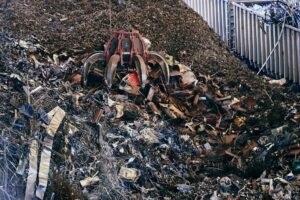
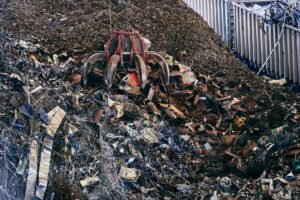
Following inspection, the metal is processed. This may involve shearing, shredding, or torch cutting to reduce the size of bulky items. Shredding is particularly effective for large appliances and vehicle bodies, as it breaks the material into small pieces, allowing for easier separation of magnetic and non-magnetic components using powerful magnets and eddy current separators. After separation, the metal is compressed into dense bales or pellets, which are then transported to smelters. Here, the scrap is melted, refined, and cast into new ingots or billets, effectively closing the loop and reducing the need for virgin ore mining.
Environmental Benefits of Recycling Scrap Metal
The environmental impact of recycling is profound. Mining for virgin ore is an energy-intensive and ecologically destructive practice. By utilizing recycled metals, we significantly reduce the carbon footprint associated with the production of new materials. For instance, recycling aluminium saves approximately 95% of the energy required to produce the same amount of aluminium from bauxite ore. This energy saving translates directly into lower greenhouse gas emissions, helping Australia meet its climate targets.
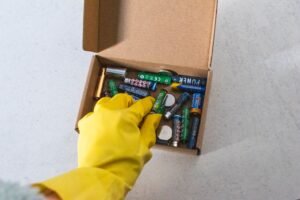
Furthermore, recycling prevents hazardous materials from leaching into the soil and groundwater in landfills. Many scrap items, such as old car batteries or electronic components, contain lead, mercury, or cadmium. When handled by professional recyclers, these materials are safely extracted and stabilized, preventing environmental contamination. Choosing to engage with professional scrap metal trading platforms ensures that your waste is handled in compliance with Victorian environmental regulations, protecting the local ecosystem in and around Dewhurst.
Logistics and Regional Coverage: Beyond Dewhurst
While Dewhurst is a central hub for many, our network extends to surrounding regions to ensure comprehensive coverage. We recognize that industrial and residential scrap metal needs do not stop at municipal borders. For those operating in neighbouring areas, we provide specialized support. If you are located in the vicinity, you might also be interested in our services for scrap metal warneet or the growing demand for scrap metal yannathan. Our goal is to provide a seamless experience, regardless of your specific location in the region.
Logistics play a critical role in the viability of recycling. We offer tailored solutions for businesses generating high volumes of scrap, including skip bin hire and scheduled collections. By streamlining the transport process, we minimize the carbon emissions associated with moving heavy materials. When you partner with a reputable provider, you are not just selling metal; you are optimizing a supply chain that benefits the local economy and the planet simultaneously. Visit Australian scrap metal trading experts to learn more about our logistics capabilities and how we can assist in clearing your site efficiently.
Maximizing Your Returns: Practical Tips for Sellers
To ensure you receive the best value for your materials, preparation is key. First, keep your scrap clean. Contamination is the primary reason for price downgrades. If you are selling copper, ensure it is stripped of plastic insulation. If you are selling aluminium, remove any attached steel screws or rubber seals. The cleaner the material, the higher the grade, and consequently, the higher the price you will receive. Second, sort your metals before arrival. A mixed load is often priced at the rate of the lowest-value item in the pile. By separating your brass, copper, and aluminium into distinct containers, you demonstrate to the buyer that you have done the work, which often leads to better negotiation outcomes.
Third, keep an eye on market trends. Metal prices are volatile and influenced by global supply and demand, currency fluctuations, and industrial production rates. By staying informed, you can choose the optimal time to sell your larger stockpiles. Finally, build a relationship with a local recycler. Consistent suppliers are often treated with priority and may receive better insights into market movements. Whether you are a small-scale collector or a large industrial entity, treating scrap metal as a valuable commodity rather than waste is the secret to long-term profitability.
The Future of Metal Recycling in Australia
The Australian scrap metal industry is on the cusp of a technological revolution. We are seeing increased integration of AI and robotics in sorting facilities, which allows for even higher levels of purity in recycled alloys. This is crucial as industries like electric vehicle manufacturing and renewable energy infrastructure demand high-grade, sustainable materials. As we look toward 2026 and beyond, the circular economy will become the standard rather than the exception. Businesses that adopt sustainable practices now will be better positioned to navigate future regulatory changes and consumer demand for greener supply chains.
By participating in the scrap metal Dewhurst ecosystem, you are part of this transition. Every tonne of steel, copper, or aluminium recycled is a step away from a linear “take-make-dispose” model and toward a regenerative future. We are committed to leading this charge by providing transparent, efficient, and ethical recycling services. Whether you are a homeowner clearing a garage or a contractor managing a demolition site, your contribution is vital to the success of this industrial shift. Together, we can turn waste into wealth while preserving our natural environment for future generations.
Conclusion: Why Choose Professional Recycling?
The decision to recycle scrap metal is a decision to support a cleaner, more efficient, and more profitable future. By understanding the complexities of metal grades, utilizing professional services, and staying informed about market conditions, you ensure that you get the most out of your materials. We have provided this guide to empower you with the knowledge needed to navigate the scrap industry with confidence. From the suburbs of Dewhurst to the wider Victorian landscape, our commitment remains the same: to provide unparalleled service, fair pricing, and environmental stewardship. If you have further questions or are ready to schedule a collection, our team is here to assist. Let’s work together to make the circular economy a reality, one scrap load at a time.
Frequently Asked Questions
What is the difference between ferrous and non-ferrous scrap metal?
Ferrous metals contain iron and are magnetic, such as steel and iron. Non-ferrous metals do not contain iron and include valuable materials like copper, aluminium, and brass, which are generally more resistant to corrosion.
How can I get the best price for my scrap metal?
To get the best price, ensure your metal is clean, free of contaminants like plastic or rubber, and sorted by type. Separating your metals before arriving at the facility prevents your load from being valued at the lowest common denominator.
Why is recycling scrap metal better for the environment?
Recycling scrap metal significantly reduces the need for energy-intensive mining and processing of virgin ore. It saves vast amounts of energy, reduces greenhouse gas emissions, and prevents hazardous materials from ending up in landfills.
Do I need to clean my scrap metal before bringing it to a recycling center?
Yes, cleaning and stripping your scrap metal of non-metallic attachments like insulation, plastic, or wood significantly increases its value. Clean, pure metal is easier to process and commands a higher price in the market.