
If you live or work in the northern suburbs of Melbourne, scrap metal Epping is the fastest way to turn redundant appliances, roofing iron, copper cable and aluminium rims into cash and carbon credits. This pillar guide walks you through every grade you are likely to encounter, how each metal is recycled inside Australian facilities, the environmental wins that matter, and the practical steps to Sell Scrap Metal Near Me In 2026 without headaches or haggling.
1. Why Epping Is a Powerhouse for Scrap Metal
Epping’s mix of factories, distribution centres and booming housing estates produces a constant stream of industrial off-cuts, demolition scrap and household discards. Two major recyclers within five kilometres of the Pacific Epping Shopping Centre run 50-tonne shear-lines and non-ferrous separation plants, so prices stay competitive with yards closer to the CBD. Add easy freeway access from the Hume and you can understand why scrap metal Epping consistently appears in statewide price surveys.
Because volumes are high, yards publish Scrap Metal Prices daily rather than weekly. That means locals who sort and clean their material properly can time deliveries to catch intra-day spikes driven by London Metal Exchange (LME) tick-ups or infrastructure project demand. If you want to compare how another region performs, check our write-up on scrap metal rockdale or the companion page for rockdale scrap metal.
2. Decoding Grades: From HMS1 to 6063 Extrusion
Understanding grade specs prevents the heart-sinking moment when your “bright copper” is downgraded to “burnt” and you lose $2.80/kg. Below are the categories every Epping recycler uses, plus pro tips to keep your loads in top spec.
Ferrous Grades
- HMS 1 (200 mm+ thickness): Clean structural steel, no re-bar tie wire, no alloy content. Current Epping yard buying at $360–$380/t.
- HMS 1&2 mix: May contain thin-wall material up to 6 mm. Must be free of mufflers, fuel tanks and concrete. Price spread $280–$320/t.
- Shred (fragmentised scrap): Whitegoods, roofing, car body shells. Density >0.8 t/m³. Contamination <1 % non-ferrous. Paid $220–$250/t.
- Bushelling (new production scrap): Stampings, off-cuts from local auto-parts plants. Zero rust, zero oil. Premium of $60/t over HMS.
- Cast Iron: Engine blocks, storm-water grates. Must be broken free of steel inserts. Epping yards pay $340/t because foundries in Campbellfield crave clean feedstock.
Non-Ferrous Grades
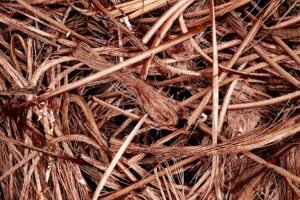
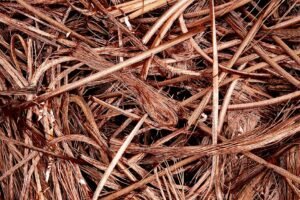
- Bare Bright Copper (Millberry): >99.9 % Cu, uncoated, untinned, <16 mm diameter. Strip insulation and bullet connectors. Price $11.20–$11.80/kg.
- #1 Copper: Clean pipe or bus-bar, may have light solder or paint spots. $10.50/kg.
- #2 Copper: Burnt, soldered or coated. $9.40/kg. Cut radiators off ends or face deductions.
- 6063 Extrusion: Window frames, screen enclosures. Remove steel screws and rubber gaskets. $2.40–$2.60/kg.
- Aluminium Wheels (Tweak): No chrome plating, no tyre valve. $2.20/kg.
- Stainless 304 solids: Non-magnetic, 18 % Cr 8 % Ni. $2.00/kg. Cut away mild-steel brackets.
- Electric Motors (ELMO): Mixed copper windings, steel laminations. $0.70–$0.85/kg. Tip: Sell copper windings separately if labour cost < price uplift.
Print this list, stick it on your shed wall and grade before you load. Yards weigh each category separately, so mixed buckets slow the queue and cost you money.
3. How the Recycling Loop Works: From Your Ute to EAF Billet
Recycling is more than tossing scrap into a hole in the ground. In Victoria the loop typically follows six tightly regulated stages:
- Collection & Weigh-in: Your material is photographed, weighed on calibrated digital scales and given a unique ticket linked to your photo ID for the new federal Payment Reporting Rules.
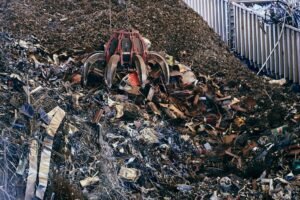
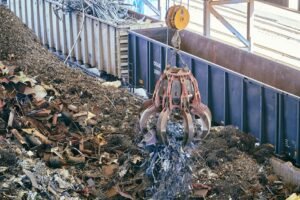
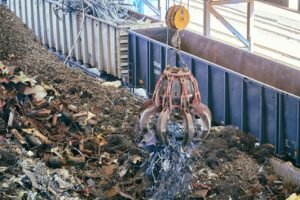
- Sorting & Shearing: Overhead magnets, eddy-current separators and handheld XRF guns segregate metals. Thick steel is cropped to <600 mm for electric arc furnace (EAF) feed.
- Baling & Shredding: Shred plants run at 4 000 hp, turning car bodies into fist-size pieces. Non-ferrous is extracted downstream for aluminium, copper and zinc recovery.
- Furnace Charging: EAFs at Laverton or Sydney’s Rooty Hill melt shred in 45-minute cycles using 100 % scrap as feedstock. Every tonne of scrap saves 1.1 tonnes of CO₂ compared with virgin iron-ore reduction.
- Refining & Casting: Oxygen lancing, lime injection and spectro-analysis adjust chemistry before continuous casting into square billets or slabs.
- Rolling & Re-manufacture: Local mills roll billet into re-bar, merchant bar or structural sections that end up in new NBN towers, tramlines and high-rise towers—closing the loop.
Each stage is tracked with RFID tags, so councils and corporate clients can verify Scope 3 emission reductions for modern sustainability reports. If you need a deeper dive into where to take your sorted bins, see our directory of Scrap Metal Recycling Near Me.
4. Environmental Benefits Specific to Australia
Scrap recycling is one of the lowest-hanging fruits for national decarbonisation. The numbers below are drawn from BlueScope, ASX filings and EPA Victoria:
- Energy saving: Recycling aluminium uses 95 % less energy than bauxite mining and smelting—enough to power 1.2 million Victorian homes.
- Emission cuts: Every tonne of steel scrap fed into an EAF prevents 1.1 t CO₂ and avoids 1.4 t of iron-ore mining.
- Landfill diversion: Victoria landfilled 2.3 Mt of metal in 2022; 92 % of that could have been recycled, freeing up 1.9 million m³ of landfill airspace.
- Water protection: Properly de-polluted scrap prevents heavy-metal leaching into the Merri Creek catchment, protecting platypus breeding sites.
- Circular economy jobs: Recycling creates 9.2 jobs per 10 000 t of waste compared with 2.8 jobs in landfill, boosting northern Melbourne employment.
By choosing scrap metal Epping facilities with EPA-licensed depollution bays, you ensure that oil, refrigerants and mercury switches are captured before shredding. Ask to see a yard’s licence number and query where their slag and plastic residues go. Legitimate operators will show you the documentation trail without hesitation.
5. Practical Tips to Maximise Cash and Minify Hassle
Before You Leave Home
- Photograph large loads; if prices dip between booking and delivery you have evidence to negotiate.
- Remove wood, plastic and rubber. Yards deduct 30 % weight for contaminants, erasing profit.
- Keep ferrous and non-ferrous in separate tubs; copper goes in a sealed bucket to prevent theft.
- Bring photo ID and, for commercial loads, an ABN. Victorian law mandates this for payments ≥$75.
At the Yard
- Ask the weighbridge operator to zero the scale in front of you; most digital displays are visible from your vehicle.
- Get a printed docket with each grade’s weight and unit price. Compare the numbers to the yard’s online Scrap Metal Prices page before you enter the payout office.
- Payment options: Cash is capped at $150 per day; balance is paid via same-day Osko transfer or cheque.
After You’re Paid
- Keep dockets for 12 months; they’re handy if the ATO asks about casual scrap income.
- Share feedback on Scrap Trade or the national directory at ScrapTrade.com.au to help other scrappers avoid rogue operators.
6. Equipment That Pays for Itself
Serious scrappers in Epping often kit out their garages with a few key tools:
- 18 V cordless angle grinder: $129 at Bunnings. Cuts aluminium frames off glass in two minutes, doubling value.
- Digital hanging scale (300 kg): $69 on eBay. Pre-weighing prevents surprises at the yard.
- Ferrite magnet stick: $7. Separates 304 from 316 stainless in seconds.
- Insulated copper wire stripper: Manual tabletop unit $189. Pays for itself after 120 kg of #2 to Bare Bright upgrade.
Buy once, maintain the blades, and you’ll add hundreds of dollars to your annual scrap income.
7. Future-Proofing: What Will Change by 2030
The Albanese government’s new National Metal Recycling Strategy (due late 2024) will tighten export rules, meaning more scrap will be reprocessed domestically. Expect:
- Higher demand for local EAF feedstock, pushing up shred and bushelling prices.
- Mandatory product stewardship for e-motor windings, so yards will pay more for pre-cleaned ELMO units.
- Digital product passports for steel beams, letting builders sell demolition scrap with verified alloy data—premium pricing for tagged material.
Position yourself now by separating cleanly and photographing high-value lots with geotags; buyers will pay extra for traceability.
8. Where to Source Free or Cheap Scrap Safely
Facebook Marketplace, demolition noticeboards and council hard-waste nights are goldmines. Always:
- Ask for a signed Transfer of Ownership form; it protects you if the scrap is later reported stolen.
- Wear gloves and steel-capped boots; tetanus shots are free under Medicare if you handle rusty steel daily.
- Check for asbestos in old roofing—take samples to NATA labs, not the recycler.
Building rapport with plumbers and HVAC contractors in Epping can yield steady copper and aluminium off-cuts. Offer to collect bins for free; they save tip fees, you gain metal.
9. Conclusion: Turning Knowledge Into Cash and Climate Wins
Whether you are a weekend scrapper cleaning out the shed or a subcontractor stripping a warehouse, understanding grades, preparation and market timing transforms scrap from rubbish into revenue. Scrap metal Epping offers world-class facilities, transparent pricing and environmental benefits that stretch far beyond your wallet. Sort smart, deliver clean, and keep an eye on daily Scrap Metal Prices to maximise returns. When in doubt, consult the industry hub at Scrap Trade for up-to-date news, and list your own success story on ScrapTrade.com.au to inspire the next generation of Australian recyclers.
Frequently Asked Questions
What is the highest paying scrap metal grade in Epping today?
Bare Bright Copper (Millberry) tops the list at $11.20–$11.80/kg provided it is uncoated and <16 mm diameter. Strip insulation and bullet connectors to secure the premium.
Do I need ID to sell scrap metal in Epping?
Yes. Victorian law requires photo ID for all transactions, and payments ≥$75 must be electronic or cheque. Keep your docket for 12 months.
How much CO₂ is saved by recycling one tonne of steel scrap?
Recycling a tonne of steel via an electric arc furnace prevents roughly 1.1 tonnes of CO₂ emissions compared with virgin iron-ore production.
Can I get cash on the spot at Epping scrap yards?
Cash payouts are capped at $150 per day; any balance is paid via instant Osko transfer or cheque, so bring your banking details.