
The Australian scrap metal exchange turns discarded copper, aluminium, steel and brass into a multi-billion-dollar circular economy. Whether you are a tradie cleaning out a worksite, an electrician upgrading cable, or a large manufacturer, understanding how grades are classified, how recycling works and where to find the best Scrap Metal Prices will put money back in your pocket and carbon out of the atmosphere.
1. How the Australian Scrap Metal Exchange Works
Unlike commodity exchanges that trade futures, the Australian scrap metal exchange is a networked ecosystem of local yards, mobile processors and online platforms that match sellers with buyers—usually domestic mills or licensed exporters. Prices are set daily against the London Metal Exchange (LME), adjusted for freight, purity and yard inventory. Most yards now publish live indicative prices on their websites and accept digital photos for instant quotes, making it easier than ever to Sell Scrap Metal Near Me In 2026.
Transactions can be cashless under new state regulations; instead, you receive an electronic transfer or a prepaid card. Weighbridge tickets are GPS-stamped and linked to your photo ID, ensuring full traceability for the scrap metal industry audit trail.
2. Standard Grades of Scrap Metal
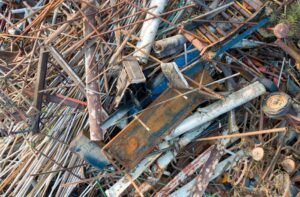
Grading determines price. Mixed or contaminated scrap is heavily discounted, so knowing the grades below is the fastest way to boost returns.
2.1 Ferrous Grades (Iron & Steel)
- HMS 1/2 (80:20 mix): 6 mm+ thickness, no galvanised, no closed containers.
- Plate & Structural (P&S): Clean steel offcuts from construction, max 1500 mm x 500 mm.
- Rebar: Must be free of concrete; higher value if cut to 1 m lengths.
- Shredded (frag): Auto bodies shredded and separated; density > 0.8 t/m³.
- Cast Iron: Manholes, engine blocks; lower residual sulfur = premium.
2.2 Non-Ferrous Grades
- Bare Bright Copper: 99.9% Cu, uncoated, unalloyed, pencil-thick or thicker.
- #1 Copper: Clean tubing, busbar, no solder or paint.
- #2 Copper: Up to 5% solder or paint; priced 5–10% below #1.
- Aluminium Extrusion 6063: Window frames, free of thermal break plastic.
- Aluminium Radiators: Free of steel fins; e.g., auto heater cores.
- Brass: Yellow (CuZn40) vs. red (high Cu). Clean, non-magnetic.
- Stainless 304 Solids: 8% Ni min, no magnetic stainless attached.
Tip: Use a handheld XRF analyser (many yards offer free testing) to prove grade and negotiate top tier pricing.
3. Step-by-Step Recycling Process
Recycling is more than dropping metal at the gate. Each step adds value and environmental benefit.
3.1 Collection & Sorting
Trucks, skips or bins deliver material to licensed sites. Magnets, eddy currents and AI vision systems sort ferrous from non-ferrous. Manual picking removes contaminants like plastic-coated wire.
3.2 Processing & Shearing
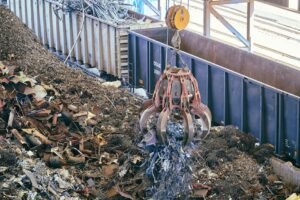
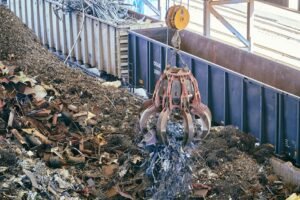
Overhead cranes feed shear balers that cut HMS into 300 mm chunks. Non-ferrous items are baled or granulated. Swarf is centrifuged to remove cutting oil.
3.3 Melting & Refining
Electric arc furnaces (EAF) melt steel at 1600 °C in 45 minutes, using 60% less energy than virgin ore. Copper and aluminium are re-smelted in reverberatory or rotary furnaces under controlled atmospheres to maintain grade.
3.4 Casting & Rolling
Molten metal is cast into billets, slabs or ingots and rolled into construction rebar, car panels or wire rod, closing the loop.
By choosing to Scrap Metal Recycling Near Me you directly feed this closed-loop system, cutting mining demand.
4. Environmental & Economic Benefits
- CO₂ Savings: 1 t recycled steel saves 1.8 t CO₂; 1 t recycled aluminium saves 9 t CO₂.
- Energy Reduction: 75% for steel, 95% for aluminium versus virgin production.
- Landfill Diversion: Australia generates ~13 Mt of scrap annually; recycling keeps 80% out of landfill.
- Jobs: The recycling sector employs 50,000+ Australians, many in regional centres.
The Scrap Trade platform tracks these carbon offsets for corporate ESG reporting, adding intangible value to your scrap disposal.
5. Current Price Drivers in 2026
Markets move daily. Key signals include LME cash price, AUD/USD, container freight ex-Melbourne and Chinese import quotas. Domestic infrastructure spend (road, rail, renewable energy) also props up demand. To lock in highs, many yards offer 7-day price holds if you pre-book a delivery slot. Check Scrap Metal Prices each morning and schedule your delivery before noon when most yards reset their buy rates.
6. Practical Tips for Maximising Returns
- Clean Separately: Strip plastic from copper wire; remove steel screws from aluminium sheets.
- Cut to Spec: 1 m rebar lengths fit mill charging buckets and attract P&S premium.
- Drain Fluids: Engines with oil attract environmental levies that erase profit.
- Weigh-In Strategy: Deliver before Friday; yards lower prices ahead of weekend inventory.
- Photograph Loads: Digital evidence speeds up disputes and helps negotiate upgrades.
For Perth residents, scrap metal rockingham yards publish live wait-times; arrive before 9 am to avoid queueing and secure top-tier rates.
7. Digital Tools & Marketplaces
Modern sellers use smartphone apps to scan barcodes on scrap bins, automatically recording weight, GPS location, photos and price. APIs sync with accounting software for instant reconciliation. If you prefer a managed service, ScrapTrade.com.au offers a concierge option: they collect, sort and sell on your behalf, remitting proceeds minus 7% commission—ideal for large factories or demolition contractors.
8. Regulatory Compliance & Safety
Each state enforces licensing, cash-sale bans and ID requirements. In NSW, the Scrap Metal Industry Act 2016 mandates real-time reporting to police databases. Wear PPE: gloves, safety boots, eye protection. Never enter a shredder area or attempt to free jammed material; only authorised operators with lock-out/tag-out permits may intervene.
9. Future Outlook
By 2030 Australia will need to recycle an extra 5 Mt of scrap to meet 500 Mt national carbon reduction targets. Investments in hydrogen-based direct reduction for steel and advanced sensor sorting will lift non-ferrous recovery rates above 95%. Forward-thinking traders are already stockpiling premium grades to supply new domestic EAF mini-mills planned for Whyalla, Port Kembla and Kwinana.
Participating in the scrap metal exchange today positions you at the forefront of this green industrial revolution while generating immediate cash flow.
Conclusion
Mastering the Australian scrap metal exchange hinges on three pillars: know your grades, understand the recycling process and track market signals. Apply the tips above, use the digital tools and you will extract maximum value from every kilo of scrap while helping the planet breathe easier. Start now by checking local prices and booking your next delivery.
Frequently Asked Questions
What is a scrap metal exchange?
It is a marketplace where recyclers trade graded scrap to steel mills and foundries. Prices track the London Metal Exchange and adjust for purity, freight and local demand.
How do I identify copper grades?
Bare bright is shiny, uncoated and pencil-thick. #1 copper is clean pipe or busbar without solder. #2 copper may have paint or fittings and fetches 5–10% less.
Why do scrap prices change daily?
Global supply, currency swings, freight rates and Chinese import policy shift daily. Yards update buy rates each morning to protect margin, so check prices before delivery.
Can I sell scrap without a car?
Yes. Many platforms offer paid collection for commercial quantities. Residential customers can book a ute or skip bin service, often free if the scrap value offsets freight.