
What Does a Scrap Metal Exporter Do?
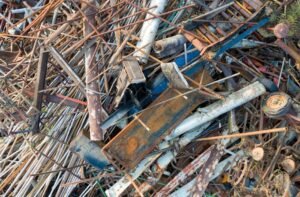
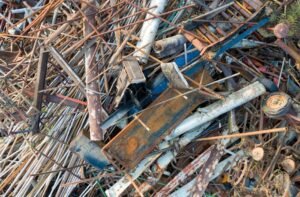
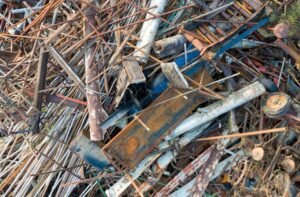
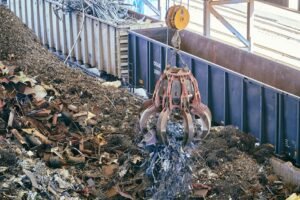
A scrap metal exporter plays a vital role in the global supply chain by sourcing post-consumer and post-industrial metals from local recyclers, manufacturers, and demolition sites. These materials are then sorted, processed, and shipped to international buyers, primarily in Asia and Europe, where demand for raw metal feedstock remains high. Companies operating as a scrap metal exporter must follow strict environmental and export regulations to ensure materials meet international quality and safety standards.
In Australia, the scrap metal industry is a key contributor to resource recovery and sustainability. By partnering with local collectors and processing facilities, a scrap metal exporter helps divert thousands of tons of metal from landfills each year. For those looking to participate, options like Sell Scrap Metal Near Me In 2026 make it easier than ever to find reliable buyers close by.
Grades and Types of Recyclable Scrap Metal
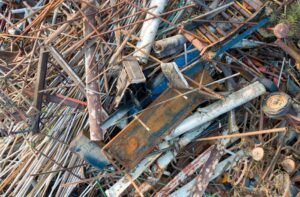
Not all scrap metal is created equal. A professional scrap metal exporter categorizes materials into ferrous (iron-based) and non-ferrous (non-iron) metals, each with different values and applications. Common ferrous metals include steel and cast iron, while non-ferrous examples are copper, aluminum, brass, and stainless steel.
Accurate grading ensures fair pricing and efficient processing. For up-to-date market values, check the latest Scrap Metal Prices to understand what your materials are worth. Proper sorting increases profitability and reduces contamination, which is critical for meeting export specifications.
- Ferrous Metals: Steel beams, appliances, vehicles
- Non-Ferrous Metals: Wiring, pipes, roofing sheets
- Hazardous Materials: Must be removed (e.g., asbestos, oil tanks)
- Electronic Scrap: Contains valuable metals like gold and silver
Recycling Process and Environmental Impact
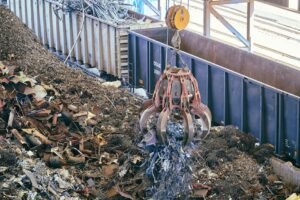
The journey from discarded metal to export-ready material involves collection, shredding, sorting, and compaction. Advanced technologies such as magnetic separators and eddy current systems help isolate different metal types efficiently. This process is central to Scrap Metal Recycling Near Me initiatives across Australian cities.
Recycling scrap reduces the need for virgin ore mining, cuts greenhouse gas emissions, and saves significant energy—up to 95% less energy when recycling aluminum versus producing it from raw bauxite. As global demand grows, Australia’s role as a responsible scrap metal exporter becomes increasingly important.
Industry standards are maintained through organizations like the scrap metal association, which promotes ethical practices and regulatory compliance. Government oversight, including guidelines from federal scrap metal authorities, ensures transparency and security in domestic and international transactions.
For businesses and individuals, partnering with trusted platforms such as Scrap Trade or visiting Scrap Trade Australia offers access to verified buyers, real-time pricing, and seamless logistics support.
Frequently Asked Questions
What is a scrap metal exporter?
A scrap metal exporter is a company that purchases recyclable metals from domestic sources, processes them, and sells them to international markets. These exporters ensure materials meet global standards for quality, purity, and safe transport.
How are scrap metal prices determined?
Scrap metal prices depend on global commodity markets, metal purity, supply and demand, and processing costs. Exporters use real-time data from sources like Scrap Metal Prices to offer competitive rates.
Can individuals sell scrap metal to exporters?
Yes, individuals can sell scrap through local recyclers who aggregate materials for exporters. Programs like Sell Scrap Metal Near Me In 2026 help connect private sellers with certified buyers.
What regulations affect scrap metal exporters in Australia?
Exporters must comply with federal and state laws, including environmental protection, anti-theft measures, and export documentation. Industry bodies like the scrap metal association provide guidance and best practices.