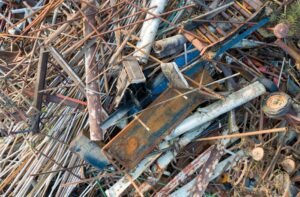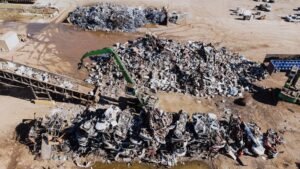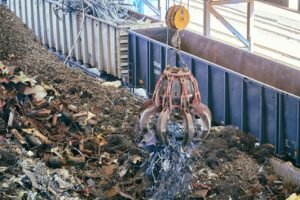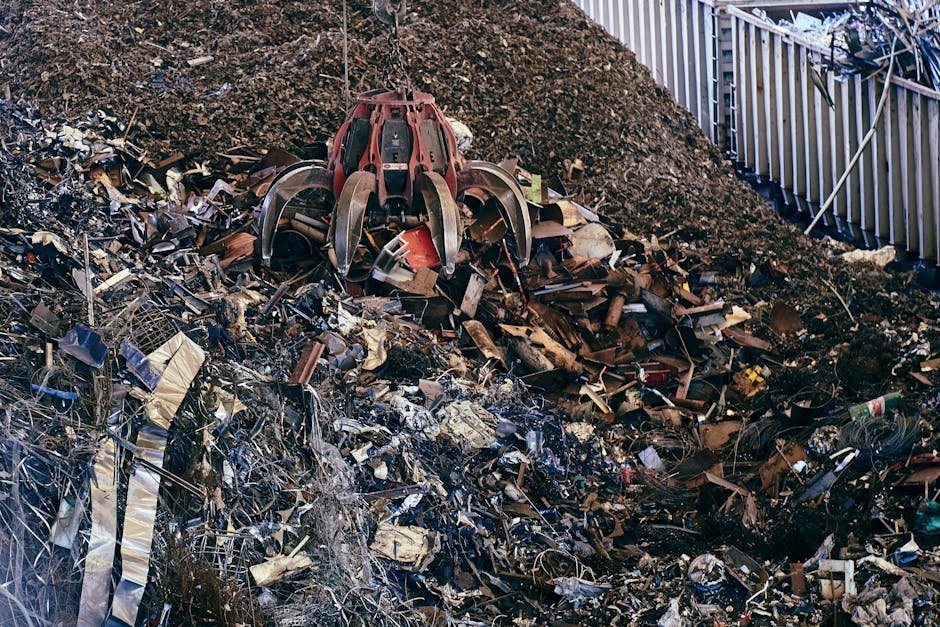

The term scrap metal gembrook encompasses a wide range of metal recovery activities in and around the town of Gembrook, located in the Dandenong Ranges just southeast of Melbourne. As Australia continues to advance its circular economy goals, regions like Gembrook play a vital role in the broader national effort to responsibly manage metal waste, promote recycling, and support industrial supply chains with high-quality recycled materials. Whether you’re a homeowner clearing out old appliances, a contractor managing construction debris, or a business decommissioning machinery, understanding how scrap metal is processed in Gembrook is essential for both economic and environmental reasons.
What Is Scrap Metal Gembrook?
Scrap metal gembrook refers to the regional ecosystem of scrap metal collection, classification, and recycling that serves the Gembrook community and surrounding areas in Victoria. Gembrook, nestled in the Yarra Ranges, may be a small township, but it contributes meaningfully to Victoria’s recycling infrastructure. The area benefits from proximity to Melbourne’s industrial hubs and established transportation networks, making it a strategic location for the aggregation and transfer of recyclable metals.
Scrap metal in this region is sourced from a variety of origins: residential cleanouts, demolition sites, automotive repair shops, manufacturing offcuts, and obsolete electronics. Once collected, these materials are sorted, processed, and sent to recycling facilities where they are transformed into raw inputs for new metal products. The practice reduces reliance on virgin ore extraction, cuts greenhouse gas emissions, and supports local jobs in the recycling sector.
Residents and businesses in Gembrook can engage with this system through local scrap yards, mobile collection services, or drop-off points that accept ferrous and non-ferrous metals. The efficiency of the scrap metal gembrook network is supported by clear categorization standards, transparent pricing, and increasing public awareness of recycling best practices. For those looking to turn scrap into cash, understanding the grading system is the first step.
Grades of Scrap Metal: Understanding What You’re Selling
One of the most critical aspects of engaging with the scrap metal gembrook market is understanding the different grades of scrap metal. These grades determine the value of your material and influence how recyclers process it. Metals are broadly categorized into two types: ferrous and non-ferrous. Each has subcategories based on purity, composition, and form.
Ferrous Metals
Ferrous metals contain iron and are magnetic. They are generally less valuable than non-ferrous metals but are widely used in construction, automotive manufacturing, and industrial machinery due to their strength and durability.
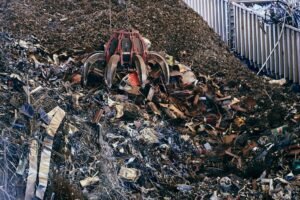
- Shredded Steel: Processed from crushed automobiles and appliances. High volume but lower value due to potential contamination.
- Baled Steel: Compressed sheets or scrap from industrial processes. Clean bales fetch higher prices.
- Cast Iron: Found in engine blocks, pipes, and stoves. Dense and durable, but requires higher energy to melt.
- Heavy Melting Steel (HMS): Thick sections from structural beams or machinery. Highly sought after for steel mills.
Ferrous metals typically sell by the tonne, and prices fluctuate based on global steel demand, energy costs, and freight logistics. You can check current valuations at Scrap Metal Prices to stay updated on regional and national benchmarks.
Non-Ferrous Metals
Non-ferrous metals do not contain iron, are not magnetic, and are generally more valuable due to their resistance to corrosion and higher conductivity. These are the most profitable materials in the scrap metal gembrook ecosystem.
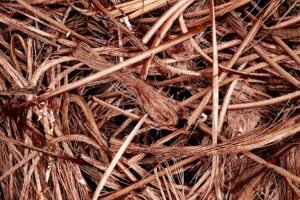
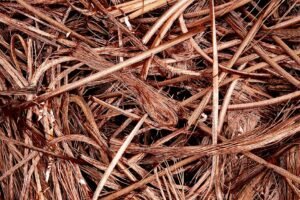
- Copper: One of the highest-value metals. Found in electrical wiring, motors, and plumbing. Bare bright copper (clean, uncoated wire) is top-tier, while #2 copper (with insulation or tarnish) is lower grade.
- Aluminum: Lightweight and widely used in beverage cans, window frames, and automotive parts. Cast aluminum (e.g., engine parts) and sheet aluminum are common grades.
- Brass: An alloy of copper and zinc. Found in plumbing fixtures, valves, and decorative hardware. Clean, unlacquered brass commands premium pricing.
- Stainless Steel: Resistant to rust and heat. Used in kitchen appliances, industrial equipment, and cutlery. Grading depends on alloy content (e.g., 304 vs. 316).
- Lead: Primarily from car batteries and roofing materials. Requires careful handling due to toxicity.
- Zinc and Nickel Alloys: Less common but valuable in industrial applications.
Non-ferrous metals are often priced per kilogram, and even small quantities can yield significant returns. For example, a single household rewiring project can generate hundreds of dollars in copper scrap. To maximize returns, remove contaminants like plastic, rubber, or dirt before delivery.
How the Scrap Metal Recycling Process Works
The journey of scrap metal gembrook from discard to reuse involves several well-defined stages. Understanding this process helps recyclers, collectors, and consumers appreciate the complexity and efficiency of modern metal recycling.
1. Collection and Transportation
Scrap metal begins its lifecycle at the point of generation—homes, businesses, construction sites, or industrial facilities. In Gembrook, residents can transport materials to local yards or schedule pickups through licensed collectors. Some services offer weighbridge-certified trucks that measure loads on-site.
Proper segregation at the source reduces processing costs and increases material value. For instance, separating aluminum cans from mixed metals avoids contamination and improves downstream efficiency.
2. Sorting and Grading
Upon arrival at a recycling facility, scrap undergoes rigorous sorting. Modern plants use a combination of manual labor, magnetic separators (for ferrous metals), eddy current separators (for non-ferrous), and optical sorting technologies.
Each batch is inspected for grade accuracy. Misrepresentation—such as passing off coated wire as bare bright copper—can result in rejected loads or penalties. Transparency is enforced through standardized industry grading rules, which are aligned with national frameworks set by the Australian Bureau of Statistics and the Australian Recyclers Association.
3. Processing and Shredding
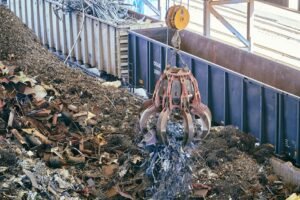
After sorting, metals are processed to optimize melting efficiency. Ferrous metals are often shredded into fist-sized pieces to increase surface area and facilitate furnace loading. Non-ferrous metals may be sheared, baled, or granulated depending on type and volume.
Shredding also helps remove non-metallic components—plastics, rubber, insulation—that can degrade the quality of recycled metal. Advanced systems use air classifiers and water baths to separate these materials.
4. Melting and Purification
The processed scrap is then melted in large furnaces—electric arc furnaces for steel, reverberatory or induction furnaces for non-ferrous metals. The melting phase requires substantial energy, but recycling metal uses up to 95% less energy than producing metal from raw ore.
During melting, impurities rise to the surface as slag and are removed. For copper and aluminum, additional refining steps ensure high purity. The resulting molten metal is poured into ingots, billets, or coils for transport to manufacturing facilities.
5. Manufacturing and Reuse
Recycled metal is used to produce new products—from construction beams and car parts to consumer electronics and packaging. For example, recycled aluminum can be back on supermarket shelves as a new can within 60 days. This rapid turnaround exemplifies the efficiency of the circular economy.
In Australia, over 50% of all steel used in manufacturing contains recycled content, and aluminum recycling rates exceed 70% nationally. These figures highlight the success of local initiatives like scrap metal recycling near me programs.
Environmental Benefits of Scrap Metal Recycling in Gembrook
Recycling scrap metal in Gembrook delivers profound environmental benefits that extend far beyond the local community. By choosing to recycle rather than landfill, residents and businesses contribute to national sustainability targets and help mitigate climate change.
Energy Conservation
One of the most significant advantages of recycling metal is energy savings. Producing new aluminum from bauxite ore requires approximately 14,000 kWh per tonne, whereas recycling aluminum uses only about 900 kWh—a 94% reduction. Similarly, recycling steel saves 60–75% of the energy required for primary production.
These energy savings translate into reduced dependence on fossil fuels and lower carbon emissions. According to the Australian Government’s Department of Climate Change, Energy, the Environment and Water, recycling one tonne of steel prevents 1.5 tonnes of CO₂ emissions. For a region like Gembrook, scaling up participation in scrap metal gembrook initiatives can collectively prevent thousands of tonnes of emissions annually.
Resource Conservation
Metal ore extraction is environmentally destructive, involving deforestation, habitat loss, soil erosion, and water contamination. Recycling reduces the need for mining activities, preserving natural ecosystems and biodiversity.
Australia is a major exporter of iron ore, but domestic recycling helps offset the environmental cost of extraction. Every tonne of recycled steel means less pressure on the Pilbara region’s fragile desert environment. Similarly, reducing demand for imported copper protects rainforest regions in South America and Central Africa.
Waste Reduction
Metals are indefinitely recyclable without degradation in quality. Unlike plastics, which degrade over time, metals can be recycled repeatedly. Yet, millions of tonnes of metal still end up in landfills each year due to lack of awareness or access to recycling services.
By improving access to services like Sell Scrap Metal Near Me In 2026, communities like Gembrook can dramatically reduce landfill burden. Diverting metal from waste streams also prevents soil and groundwater contamination from leaching heavy metals.
Air and Water Quality Improvement
Recycling reduces air pollution by cutting emissions from mining, smelting, and transportation. It also conserves water—primary aluminum production uses up to 10 cubic meters of water per tonne, while recycling uses less than 0.5.
Modern recycling facilities in Victoria are required to meet strict EPA Victoria standards for emissions and effluent discharge. This ensures that local air and water quality are protected even as processing volumes increase.
How to Sell Scrap Metal in Gembrook: Practical Tips
If you’re ready to turn scrap metal into cash, here’s how to do it effectively in the Gembrook area.
- Know Your Metal Types: Separate ferrous and non-ferrous metals before transport. Use a magnet to test—ferrous metals will stick.
- Clean and Prepare Materials: Remove dirt, wood, plastic, and insulation. Clean copper and aluminum fetch higher prices.
- Check Current Market Prices: Visit Scrap Metal Prices for real-time updates. Prices change weekly based on global commodity markets.
- Choose a Licensed Recycler: Ensure the facility is registered with the EPA and pays fair market rates. Ask for weighbridge certification and transparent grading.
- Bring ID and Proof of Ownership: To prevent theft, recyclers require photo ID and may ask for documentation if you’re selling large quantities of copper or lead.
- Consider Volume and Frequency: If you generate large volumes regularly (e.g., a demolition business), negotiate a pickup schedule or bulk pricing agreement.
For residents in nearby suburbs, similar opportunities exist. For example, those in southeastern Melbourne can explore scrap metal chelsea services for convenient drop-offs. Meanwhile, regional operators can look into wagga scrap metal for comparative models in rural recycling logistics.
Challenges and Future of Scrap Metal Recycling in Gembrook
Despite its benefits, the scrap metal gembrook sector faces several challenges that impact efficiency and participation.
Market Volatility
Scrap metal prices are tied to global commodities markets, which can fluctuate due to geopolitical events, trade policies, and industrial demand. For example, China’s import restrictions on mixed scrap in 2018 caused temporary price drops across Australia. Staying informed through resources like Scrap Metal Prices helps recyclers time their sales for maximum return.
Theft and Fraud
High-value metals like copper are targets for theft, especially from construction sites and utility infrastructure. To combat this, the Australian industry has implemented the National Metal Theft Taskforce and mandatory buyer registration schemes. Always sell to licensed recyclers who verify ownership.
Public Awareness Gaps
Many residents still don’t know what metals are recyclable or where to take them. Municipal education campaigns and school programs can improve participation. Digital tools like the ScrapTrade Australia directory help users locate nearby facilities and understand pricing.
Technological Advancements
The future of scrap metal gembrook lies in automation and data transparency. AI-powered sorting systems, blockchain-based traceability, and real-time pricing platforms are being tested in pilot programs across Victoria. These innovations will improve accuracy, reduce fraud, and increase recovery rates.
Additionally, as electric vehicles and renewable energy infrastructure expand, new streams of scrap—such as lithium-ion batteries and solar panel components—will require specialized recycling methods. Gembrook’s proximity to research institutions and industrial zones positions it well to adapt to these changes.
Conclusion: Why Scrap Metal Gembrook Matters
The scrap metal gembrook network is more than a local recycling service—it’s a critical component of Australia’s sustainable resource management strategy. By recovering and reprocessing metals, the community reduces environmental impact, conserves energy, and supports a resilient circular economy.
Whether you’re a homeowner with old copper piping or a business managing industrial waste, your participation matters. Educate yourself on metal grades, prepare materials properly, and use trusted platforms like Scrap Metal Trading Platform to connect with reliable buyers and stay updated on market trends.
As demand for recycled materials grows, regions like Gembrook will play an increasingly important role in closing the loop on metal production. By embracing responsible recycling today, we ensure a cleaner, more sustainable tomorrow for Victoria and beyond.
Frequently Asked Questions
Where can I sell scrap metal in Gembrook?
You can sell scrap metal in Gembrook through licensed recycling yards and collection services in the region. Many operators offer weighbridge-certified weighing and competitive rates based on current market values. For a list of trusted recyclers nearby, visit the Sell Scrap Metal Near Me In 2026 guide.
What types of scrap metal are worth the most?
Non-ferrous metals like copper, aluminum, and brass are typically the most valuable. Bare bright copper wire and clean aluminum alloys fetch the highest prices per kilogram due to high demand in electrical and manufacturing industries.
How is scrap metal priced in Gembrook?
Scrap metal prices in Gembrook are determined by global commodity markets, material grade, and local supply and demand. Ferrous metals are usually priced per tonne, while non-ferrous metals are sold per kilogram. Check real-time rates at Scrap Metal Prices.
Is recycling scrap metal environmentally beneficial?
Yes, recycling scrap metal significantly reduces energy consumption, greenhouse gas emissions, and the need for mining. For example, recycling aluminum saves up to 95% of the energy required to produce new aluminum from raw ore.