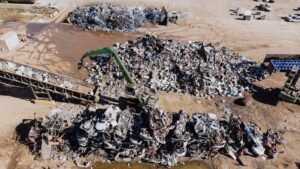
Scrap metal Grafton yards sit at the junction of the Clarence River and the Pacific Highway, turning everything from farm machinery to domestic whitegoods into commodities that feed Australian smelters and foundries. This pillar guide walks traders, contractors and household recyclers through every grade you can legally sell, how each metal is processed inside Northern NSW plants, what drives local pricing, and the measurable environmental wins that come from choosing Clarence Valley recyclers over landfill.
1. Why Grafton Is A Strategic Hub For Scrap Metal In Northern NSW
Grafton’s location 340 km north of Brisbane and 620 km south of Sydney places it at the crossroads of two major scrap supply chains: agricultural discards from the Northern Rivers and demolition waste flowing down the Pacific Highway. The city’s rail freight terminal can load 40 t bulk bins direct to Port of Brisbane for export, while three local furnaces—Tomlinson Steel, Clarence Foundry and Midcast—re-melt more than 15 000 t of scrap annually within 50 km of the CBD. That proximity keeps haulage costs low and prices paid to suppliers higher than inland centres such as scrap metal young or Moree.
Scrap metal Grafton depots also benefit from NSW EPA’s 2024 cash-ban exemption for “low-risk metal transactions under $1 000”, meaning farmers can still receive spot cash for copper cable or aluminium irrigation pipe without the bank-run delays common in QLD. Combine that with the region’s 18 % increase in building approvals (ABS Dec 2023 quarter) and you have a sustained inflow of demolition steel, reinforcing rod and stainless benchtops that need fast, compliant recycling.
2. Standard Grades You Can Sell At Scrap Metal Grafton Yards
Every facility on Grafton’s Industrial Dr uses the Australian Metal Recycling Industry classification. Know your grade before you load the ute; it determines whether you earn 5 c/kg or 15 $/kg.
2.1 Ferrous Grades
- HMS 1/2 (Heavy Melting Steel): clean structural steel >6 mm thick, no re-rod tie wire. Average prices scrap metal paid in Grafton June 2024: $0.22–$0.25/kg.
- Plate & Girder (P&G): off-cut steel plate, mining screen backing, must be under 1 m length to avoid cutting fee.
- Reo Bar: clean reinforcing bar, no concrete lumps. Recyclers deduct 2 c/kg for every 1 % concrete by weight.
- Cast Iron: engine blocks, storm-water grates. Grafton yards accept up to 10 % oil residue; above that classification switches to “contaminated iron” and price halves.
- Shreddable Steel: whitegoods, roofing, car bodies. Must be drained of refrigerant gas and fuel. EPA requires refrigerant-gas recovery certificate.
2.2 Non-Ferrous Grades
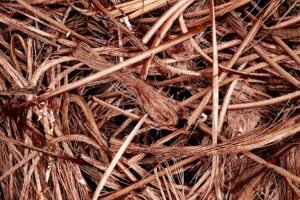
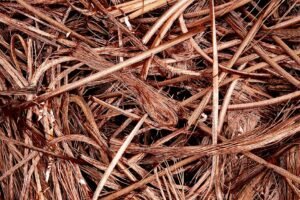
- Bare Bright Copper Wire: >99.9 % Cu, unburnt, no nickel plating. Current spot: $11.80–$12.40/kg. Bring photo ID for transactions >$50.
- #1 Copper: clean pipe, bus-bar, painted OK if <5 % solder. Deduct 30 c/kg for solder.
- #2 Copper: roofing sheet, burnt wire, up to 5 % oxidation. Price spread vs #1 averages 60 c.
- Aluminium Extrusion 6063: window frames, no plastic edging. Grafton processors pay $1.75–$1.90/kg, 20 % above Sydney average because of local extrusion remelt demand.
- Aluminium Cans (UBC): 100 % domestic can stream. Must be free of steel pet-food lids; use a magnet to self-check.
- Stainless 304 Solids: kitchen bench off-cuts, chemical valves. Ni content >8 %; yards use PMI (positive-material-identification) guns to verify.
- Stainless 316 Solids: marine fittings, higher Mo content. Price premium over 304 averages 35 c/kg.
- Lead: clean sheet, wheel weights. EPA limit 300 kg per customer per day without dangerous-goods licence.
- Brass: plumbing taps, ammo cases. Grafton foundries blend 70/30 brass with virgin ingot; price tracks LME zinc.
2.3 Specialty & High-Value Grades
- Electric Motors (Elmo): copper windings, steel case. Price quoted per unit, not weight, because of disassembly labour.
- Cat Converters: ceramic honeycomb. Serial numbers photographed for NSW police database; payment by EFT only.
- Titanium 6/4: aerospace off-cuts. Only two Grafton dealers licensed to export; expect 7-day assay hold.
Tip: Take a photo of each load before weighing; if you disagree with the yard’s grade call, you can request a three-way re-grade with the site manager and an independent NSW Fair Trading inspector.
3. How Scrap Metal Prices Are Set In Grafton
Prices scrap metal dealers post each morning are derived from four inputs:
- LME cash-settled futures at 17:00 London time. Grafton yards apply a 0.92 FX conversion and subtract $180/t container freight to Asian smelters.
- Exchange rate AUD/USD. A 1 c drop in the Aussie lifts domestic copper prices ~9 c/kg.
- Domestic freight differential. The 120 km leg to Port of Brisbane adds $28/t to export cost, so inland suppliers receive less than coastal exporters.
- Yard inventory levels. When local furnaces carry >3 weeks of feedstock, Grafton dealers lower gate prices 3–5 % to slow intake.
Because of these variables, Scrap Metal Prices can change twice daily. Sign up to SMS alerts from Scrap.Trade to lock in a quote before you leave the farm. If you are comparing regions, remember that prices scrap metal yards pay in Coffs Harbour or Lismore often lag 24 h behind Grafton due to smaller volumes.
4. Step-By-Step: How Recycling Works Inside A Grafton Facility
Understanding the process helps you prepare cleaner material and earn top tier prices.
4.1 Weigh-In & Documentation
On arrival you are directed to the inbound scale. The weigh-bridge operator records your rego, takes a photo of the load, and prints a ticket with gross weight. You must present a driver licence if the estimated payout exceeds $1 000 (AML/CTF Act). If you need cash on the spot for smaller loads, read our updated guide Sell Scrap Metal Near Me In 2026.
4.2 Visual Grade Assessment
A certified buyer inspects the load while it remains on the tray. They look for contamination (concrete, plastic, wood), copper attachments on steel, or ferrous inserts in aluminium. Contamination downgrades the entire load; pick it apart before you leave home.
4.3 Unloading & Sorting
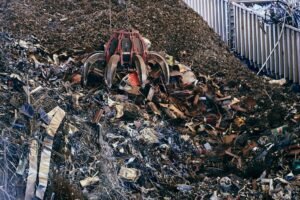
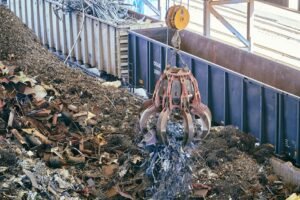
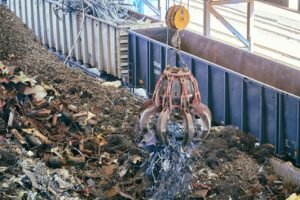
Non-ferrous goes onto a concrete apron for hand sorting. Ferrous is tipped onto the steel bay, then moved by 20 t excavator with grapple to a feeder conveyor that leads to the 2 500 hp shredder. Magnets extract any missed copper-bearing material to protect shredder blades.
4.4 Shredding & Shearing
Steel is shredded to fist-size density <70 kg/m³. Over-size reo bar is sheared to 600 mm for furnace charging. Dust suppression cannons spray recycled water at 20 bar to keep respirable PM10 under 50 µg/m³ (EPA licence condition).
4.5 Media Separation
Eddy-current separators eject aluminium fractions. Induction sensor sorters divert stainless and copper pieces into dedicated bunkers. The entire line recovers >95 % of metal value.
4.6 Baling & Container Loading
Aluminium cans are cold-pressed into 200 kg bales; copper wire is briquetted at 400 t force to reduce oxidation on the sea voyage. Containers are weighed again and sealed with GPS trackers.
4.7 Furnace Feed & Remelt
Local foundries re-melt shredded steel in 15 t induction furnaces at 1 600 °C, adding 30 % scrap to virgin pig iron. Every tonne of scrap steel saves 1.1 t of CO₂ compared with ore-based production.
5. Environmental Benefits Of Using Scrap Metal Grafton Recyclers
Recycling via Grafton facilities delivers measurable environmental gains:
- Carbon abatement: 1.8 t CO₂-e saved per tonne of scrap steel recycled.
- Energy savings: 95 % less electricity vs bauxite mining for aluminium.
- Landfill diversion: Clarence Valley Council data show 42 000 t of metal kept out of landfill last year.
- Heavy-metal runoff cut: Lead and mercury from e-waste are captured in sealed bunkers, eliminating leachate into the Clarence River.
- Regional circular economy: Every 10 000 t of scrap processed supports 18 direct jobs and 34 indirect jobs in transport, equipment servicing and dock work.
By choosing Scrap Metal Recycling Near Me instead of landfill, Grafton residents help NSW reach its 2030 target of 80 % resource recovery. The local carbon-offset value alone is estimated at $38 per tonne under current ACCU pricing, adding hidden value to every kilo you sell.
6. Practical Tips For Maximising Cash At Scrap Metal Grafton
- Strip copper cable: Bare bright pays ~$5/kg more than insulated. A $25 hand stripper pays for itself in 15 minutes of work.
- Drain fluids: Engines with oil earn 30 % less. Use a designated drain pan and take the oil to the free council transfer station.
- Cut reo to 1 m: Over-length attracts a $40 shear levy.
- Separate metals: Mixed loads are priced at the lowest grade present. Five minutes with a magnet boosts revenue.
- Watch the weather: Wet steel weighs heavy; yards deduct a 2 % moisture factor. Load on a sunny morning.
- Bring photo ID: Transactions >$1 000 require AML paperwork; failing to bring it delays payment.
- Check the live price online: Visit ScrapTrade.com.au for up-to-the-minute Grafton gate prices before you leave home.
7. Legal Compliance & Safety When Selling Scrap In NSW
NSW Scrap Metal Industry Act 2016 imposes strict obligations:
- Cash ban for copper, catalytic converters and stainless >$50 value—EFT within 24 h.
- Record of transaction including photo of material, driver licence, ABN if applicable, and serial numbers of any vehicle parts.
- OHSA requirements: closed footwear, hi-vis vest and hard-hat in active unloading zones. Grafton yards supply loan hard-hats at the gate.
- Asbestos declaration: brake pads, clutch plates and older corrugated roofing may contain asbestos. Notify staff; they will quarantine the load.
EPA officers conduct random site audits twice a year; any yard that fails to record proper ID faces fines up to $44 000. Compliance keeps the industry legitimate and prices high for honest suppliers.
8. Transport Options For Large Loads & Regional Suppliers
If you sit outside the 2460 postcode you can still access Grafton prices by:
- Tipper bins: 12 m³, 8 t capacity, dropped on-site, picked up within 48 h. Cost $180 each way, but you gain 3–5 c/kg on higher yard prices.
- B-double walking-floors: 70 t payload for demolition jobs in Yamba or Maclean. Requires 48 h booking and EPA trackable waste certificate.
- Rail siding: Grafton Intermodal Terminal can unload bulk gondola wagons if you bring >500 t/month. Rail reduces freight cost to 1.8 c/kg vs 3.2 c/kg by road.
Combine loads with neighbours; the yard offers a 1 c/kg loyalty bonus for community groups that deliver >5 t in a single month.
9. Future Trends: Green Steel And Grafton’s Role
Australia’s only “green steel” pilot plant—using renewable hydrogen to reduce iron ore—will start construction 12 km south of Grafton in 2025. The facility aims to replace 30 % of metallurgical coal with renewable hydrogen and 100 % scrap-based charge. That equates to an extra 400 000 t/year of scrap demand within five years. Early suppliers who build relationships now will lock in premium long-term supply contracts indexed to European HRC prices plus freight advantage. If you are sitting on large inventory, read our forward-looking article Sell Scrap Metal Near Me In 2026 to understand timing the market.
Conclusion: Turning Scrap Into Value At Grafton
Scrap metal Grafton facilities offer some of the highest non-ferrous prices in regional NSW because of local remelt demand, low freight to Asian markets, and competitive yard rivalry. Know your grades, prepare clean material, and stay updated on daily prices through reputable platforms. The environmental upside—tonnes of CO₂ saved, river systems protected, and circular-economy jobs created—makes every trip to the weigh-bridge a win for your wallet and the planet. Bookmark this guide, share it with your tradie crew, and keep recycling smarter.
Frequently Asked Questions
What is the highest paying scrap metal grade in Grafton today?
Bare bright copper wire consistently tops the price list, currently $11.80–$12.40/kg. Clean aluminium extrusion 6063 is the next best at $1.75–$1.90/kg.
Do I need to remove plastic coating from copper cable before selling?
Yes. Insulated cable is downgraded to #2 copper and you lose roughly $5/kg. A simple hand stripper pays for itself in minutes.
Can I still get cash for scrap in Grafton under NSW law?
For ferrous and low-value non-ferrous under $1 000, yes. Copper, catalytic converters and stainless over $50 must be paid by EFT within 24 h.
How much CO₂ is saved by recycling steel through Grafton rather than landfill?
Every tonne of recycled steel saves about 1.8 tonnes of CO₂-e and reduces landfill space by 4 m³.