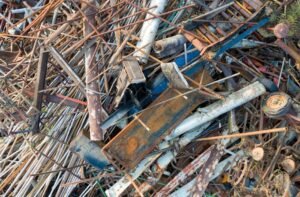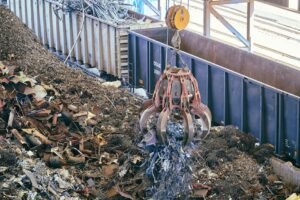

The phrase “new south” cities growth “scrap metal” highlights a critical intersection between urban development and sustainable resource management in Australia. As cities like Sydney, Melbourne, and regional hubs expand, the demand for efficient scrap metal recycling has surged. This guide explores the grades of scrap metal, the intricacies of the recycling process, environmental benefits, and practical steps for selling scrap in these growing communities.
Understanding the Grades of Scrap Metal
Scrap metal is categorized into grades based on material type, purity, and application. These grades determine their market value and recycling potential:
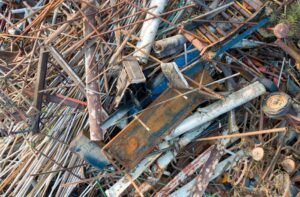
- Ferrous Metals: Iron and steel dominate this category. Common grades include cut iron, sheet iron, and stainless steel. Ferrous metals are magnetic and widely used in construction and manufacturing.
- Non-Ferrous Metals: Aluminum, copper, brass, and lead fall into this group. Non-ferrous metals are non-magnetic and valued for their conductivity and corrosion resistance. Telecom scrap metal, for example, contains copper wiring critical for networking infrastructure.
- Specialty Metals: Rare earth metals and alloys used in electronics and aerospace applications require specialized recycling facilities due to their complex composition.
Accurate grading ensures efficient recycling. For instance, Zores Scrap Yard employs advanced sorting techniques to separate ferrous and non-ferrous metals, maximizing their reuse potential.
How the Scrap Metal Recycling Process Works
Recycling scrap metal involves a multi-step process designed to recover raw materials while minimizing environmental impact:
- Collection: Scrap is gathered from industrial waste, demolition sites, and consumer electronics. Sell scrap metal near me platforms streamline this process by connecting sellers to buyers rapidly.
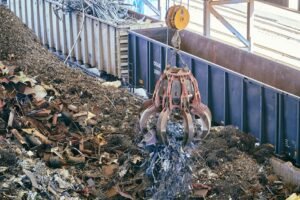
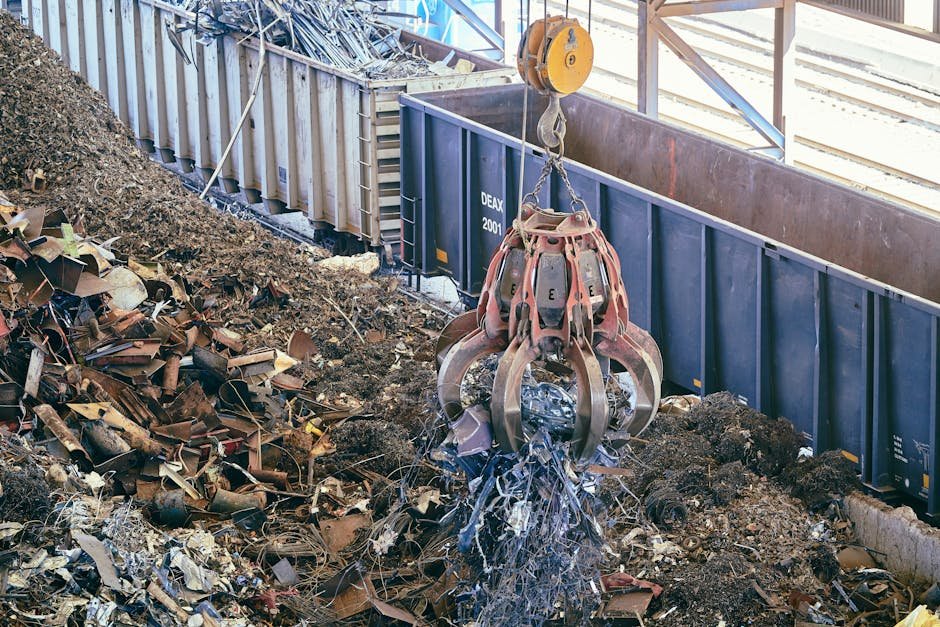
- Sorting and Shredding: Metals are magnetically or manually sorted. Shredding reduces volume, making transportation and processing more efficient.
- Melting and Refining: Scrap is melted in electric arc furnaces or induction furnaces to remove impurities. For example, copper from telecom scrap is refined to meet industry purity standards.
- Reforming: Recycled metal is cast into ingots or sheets for reuse in manufacturing. This process consumes 60-70% less energy than producing new metal from ore.
Environmental Benefits of Scrap Metal Recycling
Recycling scrap metal is a cornerstone of sustainable development in “new south” cities growth. Key benefits include:
- Resource Conservation: Recycling 1 ton of steel saves 2,500 pounds of iron ore and 1,400 pounds of coal. This reduces the need for mining, preserving ecosystems.
- Energy Efficiency: Producing aluminum from scrap uses 95% less energy than from bauxite ore. This significantly lowers greenhouse gas emissions.
- Landfill Reduction: Over 80% of construction and demolition debris in Australia is recycled, diverting waste from landfills. Metal scrap auctions further incentivize efficient reuse.
For “new south” cities growth, integrating scrap metal recycling into urban planning is vital. For example, scrap metal for sale online platforms reduce transportation emissions by enabling local transactions.
Economic Impact on “New South” Cities
The scrap metal industry drives economic growth in several ways:
- Job Creation: Australia’s recycling sector employs over 65,000 people, from collectors to processors. Cities like Wollongong and Newcastle have thriving scrap yards supporting local economies.
- Industrial Synergy: Recycling supports manufacturing by providing affordable raw materials. Steel mills in Port Kembla use 80% recycled scrap, reducing costs for construction and automotive sectors.
- Export Revenue: High-quality recycled metals are exported to Asia-Pacific markets. Australia’s scrap metal exports reached $2.3 billion in 2023, bolstering trade balances.
For “new south” cities growth, investing in scrap metal infrastructure is a strategic move. ScrapTrade offers tools to track market trends, helping businesses capitalize on price fluctuations.
Practical Tips for Selling Scrap Metal in “New South” Cities
Maximizing profits requires understanding market dynamics and logistics:
- Choose Reputable Buyers: Opt for certified recyclers like Zores Scrap Yard to ensure fair pricing and ethical practices.
- Sort and Prepare Materials: Separate ferrous and non-ferrous metals before selling. Clean materials increase their value—remove contaminants like paint or plastic.
- Leverage Online Platforms: Use scrap metal for sale online to compare prices and connect with buyers instantly. Metal scrap auctions offer competitive bidding for high-value items.
- Understand Local Regulations: Check state-specific rules on scrap metal handling. Some areas require licenses for commercial sellers.
Future Trends in Scrap Metal Recycling
Technology and policy shifts are reshaping the industry:
- Artificial Intelligence: AI-powered sorting systems improve accuracy and speed. For example, hyperspectral imaging identifies alloy compositions in real-time.
- Circular Economy Models: Governments and businesses are adopting closed-loop systems where products are designed for easy disassembly and recycling.
- Green Policy Incentives: Subsidies for recycling infrastructure and carbon credits may boost industry growth in “new south” cities.
Stay ahead by exploring Sell Scrap Metal Near Me In 2026 for future-ready solutions tailored to your region.
Conclusion
“New south” cities growth and scrap metal recycling are intrinsically linked. By leveraging advanced grading systems, sustainable practices, and digital platforms, communities can drive economic progress while protecting the environment. Whether you’re a business owner or a homeowner, understanding the “new south” cities growth “scrap metal” landscape ensures you contribute to a greener, more prosperous future.
For more insights, visit Scrap Trade, Australia’s leading platform for scrap metal buyers and sellers.
FAQ
Frequently Asked Questions
What are the most valuable scrap metal grades?
Non-ferrous metals like copper, brass, and aluminum command the highest prices due to their conductivity and versatility in electronics and construction.
How does recycling scrap metal reduce carbon emissions?
Recycling cuts energy use by 70% compared to mining and refining raw ore, significantly lowering carbon footprints in “new south” cities growth projects.
Can I sell scrap metal without a license?
In most Australian states, individuals can sell small quantities of scrap metal without a license, but businesses must comply with local licensing requirements.
What’s the best way to dispose of old electronics?
Use certified e-waste recyclers who extract valuable metals like gold and silver while safely handling hazardous materials in line with environmental regulations.