
Navigating the scrap metal Harkaway landscape requires a nuanced understanding of global commodity markets, local logistical constraints, and the specific material grades that drive value. As the demand for sustainable manufacturing grows, the role of local scrap yards has shifted from simple disposal sites to critical nodes in the circular economy. Whether you are a trade contractor, an industrial manufacturer, or a homeowner clearing out a site, understanding the mechanics of metal recycling is the first step toward turning waste into a reliable revenue stream. By leveraging professional services like Crg Scrap Metal, you ensure that your materials are handled according to the highest industry standards, maximizing both environmental compliance and financial returns.
Understanding Metal Grades and Market Valuation
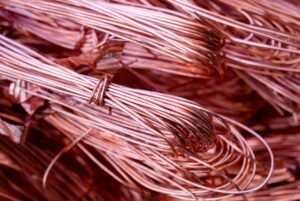
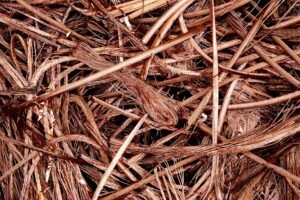
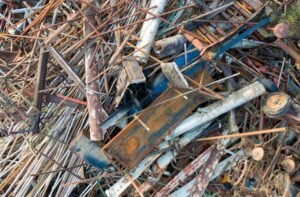
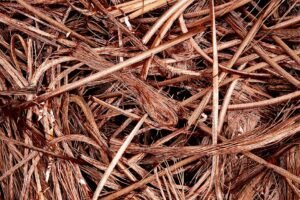
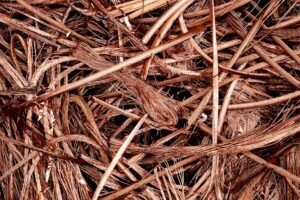
The value of your scrap is dictated primarily by its grade and purity. Metals are broadly categorized into ferrous (containing iron) and non-ferrous (all other metals). Ferrous metals, such as steel and iron, are magnetic and generally trade at lower volumes per unit but are essential for large-scale construction. Non-ferrous metals, including copper, aluminum, brass, and lead, command higher prices due to their superior conductivity, malleability, and the energy intensity required to extract them from raw ore. When analyzing the current market, it is vital to consult the Scrap Metal Prices to understand how global supply chains influence local payouts. For instance, high-grade copper wire (often referred to as ‘bright and shiny’) remains the gold standard for recyclers because it requires minimal processing to be melted down into new wire. Conversely, ‘dirty’ scrap—metal contaminated with plastic, rubber, or other non-metallic materials—will significantly decrease your payout. To maximize your profit, always strip insulation from copper wires and separate aluminum alloys from steel components before arriving at the yard. This level of preparation is what separates amateur sellers from professional industrial accounts.
The Logistics of Scrap Metal Harkaway Recycling
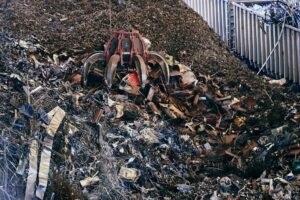
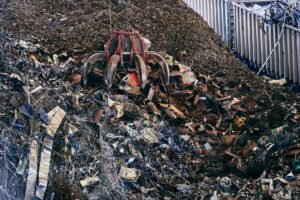
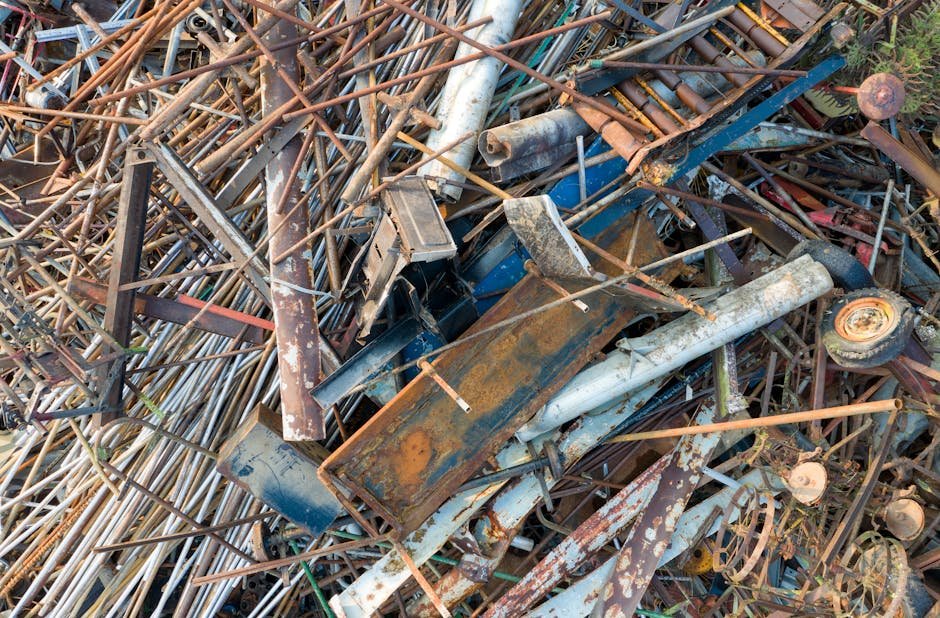
Efficient recycling in the Harkaway region relies on a sophisticated logistical network. For large-scale industrial projects, finding a reliable Metal Scrap Yard Near Me is essential to minimize transport costs and carbon footprints. Most reputable yards offer bin services, where they drop off industrial-grade skips at your site, allowing for the systematic segregation of waste at the source. This is a critical strategy for construction firms, as mixed loads are often downgraded to lower-value categories. By maintaining separate bins for stainless steel, aluminum, and copper, you ensure that every kilogram of metal is accounted for at its highest possible market rate. When planning your site clearance, consider the weight capacity of the transport vehicles and the accessibility of your site for heavy machinery. Professional recyclers often provide specialized equipment, such as magnetic lifters or crane-equipped trucks, to handle oversized industrial scrap that would otherwise be impossible to move. For those looking for a comprehensive overview of how these market fluctuations affect your bottom line, refer to the Ultimate Guide to scrap metal prices in Australia. This resource provides the historical context and predictive analytics needed to time your sales for maximum profitability.
Environmental Benefits and Circular Economy Integration
The environmental case for recycling metal is undeniable. Recycling one tonne of aluminum saves approximately 14,000 kilowatt-hours of energy and prevents the extraction of four tonnes of bauxite ore. This reduction in energy consumption directly correlates to a decrease in greenhouse gas emissions, making scrap metal Harkaway operations a cornerstone of local sustainability efforts. Furthermore, the recycling process preserves landfill space and prevents hazardous heavy metals from leaching into the soil and water tables. When you choose to recycle with industry leaders, such as those found at Scrap Trade, you are contributing to a closed-loop system where materials are kept in use indefinitely. This is particularly important for rare earth metals and copper, where the environmental cost of traditional mining is catastrophic. By participating in the secondary metal market, you are essentially acting as an urban miner, providing the raw materials necessary for the next generation of infrastructure without the need for destructive mining practices. Our partners at Scrap Trade Australia emphasize that transparency in the recycling chain is key to verifying the environmental impact of your scrap, ensuring that your waste is not just processed, but processed ethically and efficiently.
Advanced Sorting Techniques and Industry Standards
Modern scrap yards utilize advanced technology to ensure purity and accuracy. X-ray Fluorescence (XRF) analyzers are now standard equipment in professional yards. These handheld devices can identify the exact chemical composition of a metal alloy in seconds, allowing for precise grading that was previously impossible. For the seller, this means you are paid accurately for the specific alloy you provide, rather than a generic rate for ‘mixed metal.’ Understanding how these tools work can help you better categorize your scrap before arrival. For example, knowing the difference between 304 and 316 stainless steel—which contains molybdenum for better corrosion resistance—can significantly impact your earnings. Industry standards also dictate safety protocols. Dealing with scrap metal involves heavy lifting, sharp edges, and potential chemical hazards. Always wear appropriate PPE, including cut-resistant gloves and steel-capped boots, when handling scrap. Furthermore, ensure that any pressurized vessels, such as old gas cylinders, are clearly marked and handled according to hazardous waste regulations. Ignorance of these safety standards can lead to severe accidents and legal liability. By working with established, certified yards, you gain the benefit of their safety infrastructure and regulatory compliance, ensuring that your scrap is handled in a manner that protects both workers and the environment.
Future Trends in the Scrap Metal Market
The future of the scrap metal Harkaway industry is inextricably linked to the global transition toward renewable energy. As electric vehicle (EV) production ramps up, the demand for high-purity copper and aluminum is expected to surge. These metals are essential for battery components, wiring, and lightweight chassis construction. Consequently, the scrap industry is evolving to meet these specialized needs. We are seeing a shift toward ‘urban mining’ on a larger scale, where end-of-life electronics and automotive components are being processed with higher precision to recover precious metals. For those in the trade, this means that the scrap of tomorrow will look very different from the scrap of today. Keeping abreast of these trends is essential for anyone looking to maintain a competitive edge. It is no longer enough to simply collect metal; one must understand the metallurgical requirements of modern manufacturing. This includes staying informed on international trade policies, as tariffs and import restrictions in major markets like China and the EU can have immediate impacts on local prices. By maintaining strong relationships with local buyers and utilizing digital platforms to track market shifts, you can position yourself to capitalize on these emerging opportunities. The integration of AI and machine learning in sorting facilities is also on the horizon, promising even greater efficiency and purity in the recycling process. As these technologies become more accessible, the barriers to entry for professional-grade recycling will lower, but the requirement for high-quality, pre-sorted material will remain constant.
Best Practices for Industrial Scrap Management
For businesses generating consistent volumes of scrap, implementing a formal management plan is a necessity. This begins with an audit of your waste streams. Identify where the majority of your scrap originates: is it off-cuts from manufacturing, end-of-life machinery, or demolition waste? Once you have identified these streams, implement a labeling system that ensures all staff are aware of how to sort materials at the point of generation. This ‘source segregation’ is the most effective way to prevent contamination and ensure that you receive the highest price for your material. Consider investing in basic processing equipment, such as industrial shears or balers, if your volume justifies the capital expenditure. These tools can densify your scrap, making it easier and cheaper to transport, and often allowing you to sell directly to larger refineries. Furthermore, maintain detailed records of your sales. Tracking the weight and grade of your scrap over time allows you to identify trends in your production waste, helping you to optimize your manufacturing processes and reduce overall material loss. This data-driven approach not only improves your scrap revenue but also enhances your overall operational efficiency. Remember, every piece of scrap is a resource that has already been paid for once; recycling it correctly is simply reclaiming a portion of your initial investment. By treating your scrap as a valuable commodity rather than a waste product, you transform your facility into a more profitable and sustainable operation. Finally, always maintain an open line of communication with your scrap metal partner. Their insights into market conditions and their ability to provide custom bin solutions are invaluable assets that can help you navigate the complexities of the scrap market with confidence and ease.
Frequently Asked Questions
What is the most valuable type of scrap metal?
Copper is consistently the most valuable common scrap metal due to its high demand in electrical and plumbing industries. High-grade, clean copper wire, often called ‘bright and shiny,’ fetches the highest prices per kilogram compared to other metals like aluminum or steel.
How can I get the best price for my scrap metal?
To get the best price, you must clean and sort your scrap by metal type and grade. Removing non-metallic contaminants like plastic, rubber, or insulation significantly increases the value of your load, as it reduces the labor required by the recycler to process the material.
Is it better to sell scrap to a local yard or a large processor?
Local yards offer convenience and immediate payout, which is ideal for smaller volumes. For large industrial quantities, working directly with a large-scale processor or a specialized service provider often yields better rates and access to better logistical support, such as industrial bin services.
Why does the price of scrap metal change so frequently?
Scrap metal prices are driven by global supply and demand, fluctuating based on the international commodity market. Factors like industrial production levels, mining output, and global trade policies all influence the daily rates offered by local scrap yards.