
For residents and businesses seeking reliable scrap metal Heath Hill services, understanding the intricacies of the metal recycling industry is the first step toward maximizing value and environmental impact. As the Australian circular economy continues to evolve, the demand for high-quality, processed scrap has never been higher, positioning Heath Hill as a strategic hub for industrial and domestic metal recovery.
The Importance of Professional Scrap Metal Recycling
Recycling metal is not merely a waste management solution; it is a critical component of the global supply chain. When you engage with a professional facility for your scrap metal Heath Hill needs, you are participating in a process that conserves natural resources. Mining virgin ore is an energy-intensive and environmentally destructive process. By contrast, recycling one tonne of steel can save over 1,000 kilograms of iron ore, 50 kilograms of limestone, and 600 kilograms of coal.
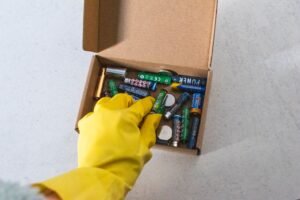
In the current economic climate, individuals are increasingly looking for ways to monetize their waste. Whether you are a tradesperson clearing a site or a homeowner cleaning out a garage, knowing how to Sell Scrap Metal Near Me In 2026 is essential for ensuring you receive fair market rates. Professional recyclers utilize advanced spectroscopy and heavy-duty weighing equipment to ensure that every kilogram is accounted for accurately. Furthermore, choosing a reputable provider ensures that hazardous materials—often found in older electronics or industrial machinery—are handled in compliance with Victorian environmental regulations.
Understanding Metal Grades: Ferrous vs. Non-Ferrous
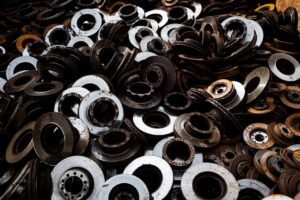
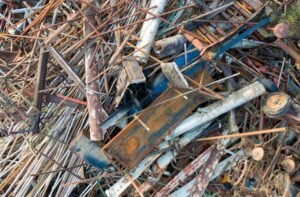
To maximize your returns, you must be able to distinguish between different metal types. The industry is divided into two primary categories: ferrous and non-ferrous. Ferrous metals contain iron and are generally magnetic. Common examples include structural steel, cast iron, and wrought iron. While ferrous metals are abundant, they are essential for the construction and automotive sectors. If you are searching for Scrap Metal Recycling Near Me, you will find that these metals are processed in high volumes to support large-scale infrastructure projects.
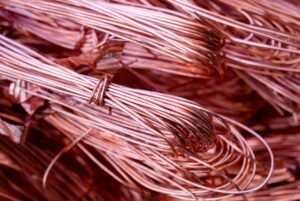
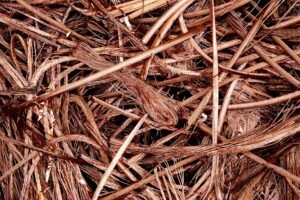
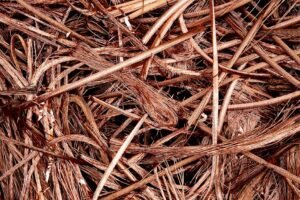
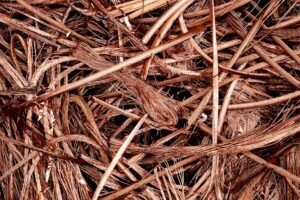
Non-ferrous metals, on the other hand, are highly prized for their durability, conductivity, and resistance to corrosion. These include copper, aluminum, brass, lead, and stainless steel. Because non-ferrous metals do not degrade during the recycling process, they can be melted down and reformed infinitely. Copper, in particular, remains one of the most valuable commodities in the scrap industry due to its extensive use in electrical wiring and telecommunications. When you track current Scrap Metal Prices, you will notice that non-ferrous metals consistently command a higher price per tonne than their ferrous counterparts.
It is also worth noting that geography plays a role in logistics. While we focus on scrap metal Heath Hill, our network extends across the region. We often assist clients who may have previously searched for scrap metal castle hill or scrap metal seven hill, providing a seamless transition for those relocating or managing multi-site operations. By consolidating your scrap collection, you optimize transport costs and reduce your carbon footprint.
The Technical Process: From Collection to Commodity
The journey of a piece of scrap metal from a backyard in Heath Hill to a new engine block or structural beam is a complex engineering feat. The process begins with collection and segregation. At our scrap metal trading platform, we emphasize the importance of clean, sorted loads. Contaminants like plastic, glass, or rubber can significantly lower the grade and value of a metal load.
Once the metal arrives at the facility, it undergoes a rigorous sorting process. High-powered magnets are used to pull ferrous metals from the conveyor belt, while eddy current separators are employed to isolate non-ferrous materials like aluminum. For complex items like electric motors or transformers, manual dismantling is required to extract the high-value copper windings from the steel housing. This level of precision is what defines an expert recycler.
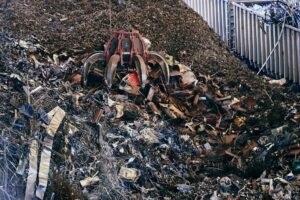
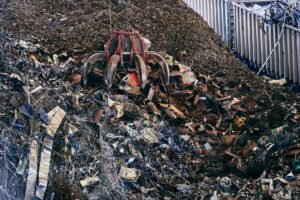
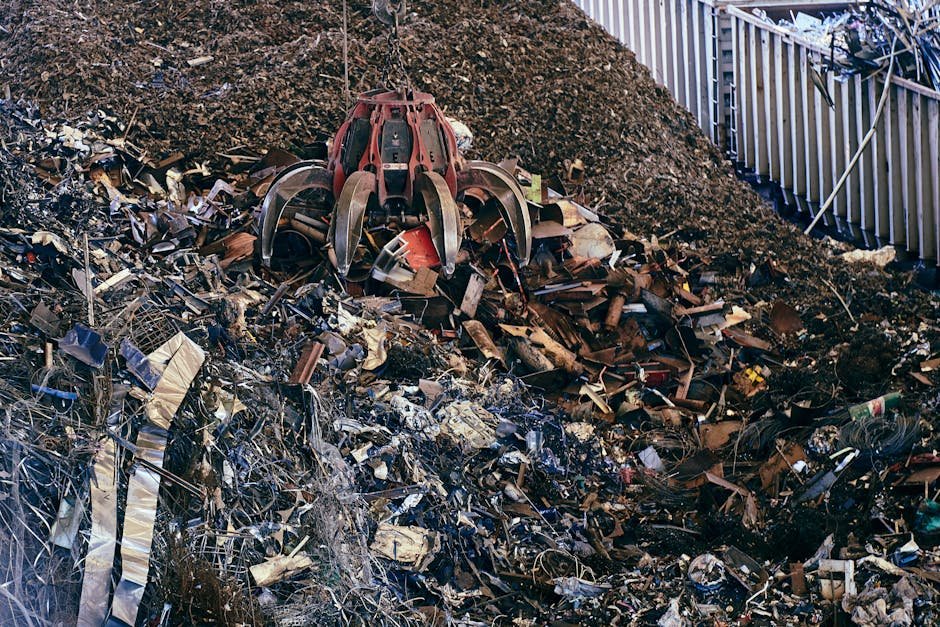
After sorting, the metal is processed through a shredder or a baler. Shredding breaks the metal into smaller pieces, which increases the surface area for the melting process, making it more efficient for the furnace. Baling, conversely, compresses large amounts of light-gauge metal into dense, manageable cubes for easier shipping. This transformation turns raw, chaotic waste into a standardized industrial commodity ready for global export or local smelting. For more detailed insights into the industry standards, visit our main Australian scrap portal.
Environmental Benefits and Sustainability
The environmental case for scrap metal recycling is undeniable. Beyond the direct energy savings, recycling reduces the need for landfill space, which is becoming increasingly limited near urban centers. Every tonne of metal diverted from landfill prevents the leaching of heavy metals into groundwater and soil. This is particularly important in regions like Heath Hill, where preserving the local ecosystem is a priority for the community.
Furthermore, the reduction in greenhouse gas emissions is substantial. Producing aluminum from recycled scraps uses approximately 95% less energy than producing it from bauxite ore. This massive reduction in energy demand translates directly to a lower carbon footprint for the manufacturing sector. As Australia moves toward a net-zero future, the scrap metal industry acts as a hidden engine of sustainability, enabling manufacturers to source “green” raw materials without the ecological cost of mining.
Practical Tips for Maximizing Scrap Value
If you want to get the best return on your scrap, preparation is key. First, always separate your metals. A mixed load of copper, steel, and aluminum will often be valued at the lowest common denominator price. By keeping them in separate containers or piles, you ensure that you are paid the premium rate for each specific grade.
Second, remove non-metallic attachments. If you are scrapping a piece of machinery, removing plastic casings, rubber hoses, or wooden handles can significantly increase the weight-to-value ratio. Third, understand the market cycle. Scrap metal prices fluctuate based on global supply and demand, currency exchange rates, and geopolitical stability. Keeping an eye on the market allows you to time your sales when prices are peaking.
Finally, safety is paramount. When handling scrap, always wear appropriate personal protective equipment (PPE), including heavy-duty gloves and steel-capped boots. Sharp edges, rusted metal, and heavy components pose significant risks. If you are dealing with large-scale industrial scrap, consider hiring a professional collection service to manage the logistics, ensuring the process remains safe and efficient.
Future Trends in the Scrap Metal Industry
As we look toward 2026 and beyond, the scrap metal industry is undergoing a digital transformation. Technology is playing a larger role in everything from inventory management to price transparency. Blockchain technology is being explored to track the provenance of recycled materials, ensuring that manufacturers can verify the sustainability credentials of the metal they purchase. This is becoming increasingly important as ESG (Environmental, Social, and Governance) reporting requirements tighten for large corporations.
Moreover, the rise of electric vehicles (EVs) is creating a new stream of scrap metal. EV batteries and specialized lightweight aluminum chassis components require different recycling techniques than traditional internal combustion engine vehicles. Facilities in areas like Heath Hill are already upgrading their infrastructure to handle these new types of materials, ensuring that the transition to a greener transport sector does not lead to a new wave of waste.
Frequently Asked Questions
We are committed to transparency and education. Below are the most common inquiries we receive regarding scrap metal recycling in the region.
Conclusion: Choosing the Right Partner
Effective scrap metal management is a partnership between the community and the recycling industry. By choosing to recycle, you are not only recovering value from your waste but also contributing to a more sustainable and resource-efficient Australia. Whether you are a small business owner or an individual, understanding the grades, the process, and the market dynamics is the best way to ensure you are getting the most out of your scrap.
If you are ready to recycle your metal, ensure you work with a facility that prioritizes safety, environmental compliance, and fair pricing. By staying informed and utilizing professional services, you can turn your scrap metal into a valuable asset while helping to preserve the environment for future generations. Remember, every kilogram of metal recycled is a step toward a circular economy where waste is simply a resource in the wrong place.
Frequently Asked Questions
What is the most valuable scrap metal I can collect?
Copper is consistently one of the most valuable scrap metals due to its high demand in electrical and plumbing industries. Bright shiny copper wire and clean copper pipe typically fetch the highest prices per kilogram.
Do I need to clean my scrap metal before bringing it in?
While not strictly required, removing non-metallic contaminants like plastic, rubber, or wood will significantly increase the value of your load. Clean, sorted metal is faster to process and attracts better pricing.
Why do scrap metal prices change so often?
Scrap metal prices are driven by global commodities markets, which fluctuate based on international demand, mining output, and currency exchange rates. Local prices also reflect transport costs and processing overheads.
Is it safe to recycle old appliances?
Yes, but you must be careful. Some older appliances contain hazardous materials like refrigerants or mercury switches which must be removed by professionals. Always check with your local recycling facility before dropping off complex electronics.