
When searching for reliable scrap metal Hemmant solutions, it is essential to understand the intricacies of the local recycling market. Hemmant, a key industrial hub in Brisbane, serves as a vital node for metal recovery, where businesses and individuals can contribute to the circular economy by responsibly disposing of industrial, commercial, and household scrap. Whether you are clearing out a warehouse or managing construction waste, knowing how to maximize the value of your materials is the first step toward efficient recycling.
Understanding the Grades of Scrap Metal
The scrap metal industry classifies materials into two primary categories: ferrous and non-ferrous. Understanding these distinctions is crucial when you decide to Sell Scrap Metal Near Me In 2026. Ferrous metals contain iron, making them magnetic and generally more abundant. Common examples include structural steel, cast iron, and wrought iron. Because of their high volume, they are essential for large-scale infrastructure projects.
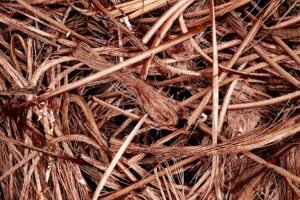
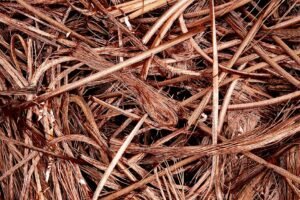
Non-ferrous metals, on the other hand, do not contain iron and are prized for their resistance to corrosion and high conductivity. These include copper, aluminum, brass, lead, and zinc. Because non-ferrous metals do not degrade during the recycling process, they can be recycled infinitely. If you are looking for Scrap Metal Recycling Near Me, identifying whether your load is copper piping, aluminum siding, or stainless steel will significantly impact your financial return. Professional yards in Hemmant utilize advanced spectrometry to verify the alloy composition, ensuring you are paid accurately based on current market standards.
The Scrap Metal Recycling Process: From Collection to Commodity
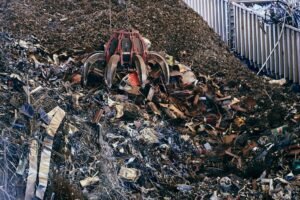
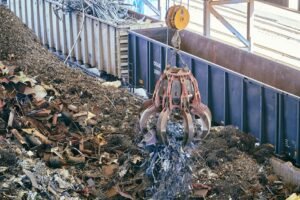
The journey of scrap metal from a discarded item to a raw material is a sophisticated industrial operation. It begins with collection and transportation. Once the metal arrives at a facility, it undergoes a rigorous sorting process. Automated systems, including magnetic separators and eddy current separators, isolate ferrous metals from non-ferrous ones. This stage is critical for purity, as contaminants can ruin a melt.
Following sorting, the metal is processed through shredding or shearing. Shredding breaks the metal into small pieces, increasing the surface-to-volume ratio, which makes it easier to remove impurities. Shearing involves using high-powered hydraulic machines to cut thick steel beams into manageable sizes. Finally, the metal is melted down in furnaces, purified, and cast into ingots or billets. These are then sold to manufacturers to create everything from new car parts to beverage cans. For those interested in the financial side of this industry, tracking Scrap Metal Prices is essential, as these fluctuate based on global supply chains and commodity market demands.
Why Hemmant is a Strategic Hub for Metal Trading
Hemmant’s proximity to the Port of Brisbane and major transport arteries makes it an ideal location for industrial metal processing. The efficiency of logistics in this area allows for the rapid movement of large volumes of scrap, which is vital for maintaining a steady supply to both domestic and international markets. Unlike remote locations, Hemmant benefits from high-density industrial infrastructure, allowing for specialized processing equipment that smaller regional yards might lack.
This strategic advantage extends to the services provided by Scrap Trade, which connects local sellers with global demand. Whether you are operating in the Brisbane region or looking for services similar to scrap metal castlereagh or scrap metal londonderry, the principles of professional recycling remain the same: transparency, safety, and environmental stewardship. By utilizing established hubs, you ensure that your scrap is handled in compliance with Australian environmental regulations, which are among the strictest in the world.
Environmental Benefits of Recycling Scrap Metal
Recycling metal is one of the most effective ways to reduce our collective carbon footprint. Extracting virgin ore through mining is an energy-intensive process that causes significant land degradation, water pollution, and habitat destruction. By contrast, recycling scrap metal uses a fraction of the energy required to produce metal from raw materials. For instance, recycling aluminum saves approximately 95% of the energy needed to produce it from bauxite ore.
Furthermore, recycling diverts massive amounts of waste from landfills. Metal is a persistent material; it does not biodegrade, meaning that discarded appliances, vehicles, and construction waste would otherwise occupy space for centuries. By choosing to recycle, you are directly contributing to the conservation of natural resources and reducing the greenhouse gas emissions associated with primary metal production. The industry is a cornerstone of the global transition toward a circular economy, as championed by resources found on Scrap Trade Australia.
Safety Protocols in Scrap Handling
Handling scrap metal is inherently dangerous due to sharp edges, heavy equipment, and the risk of hazardous substances. Professional scrap metal Hemmant facilities adhere to strict OHS (Occupational Health and Safety) guidelines. This includes the use of personal protective equipment (PPE), such as cut-resistant gloves, steel-toed boots, and high-visibility clothing. If you are bringing scrap to a yard, always follow the site-specific instructions provided by staff.
Never attempt to cut or dismantle pressurized containers, such as gas cylinders or fire extinguishers, as these pose an explosion risk. Additionally, be aware of potential contaminants like oil or chemicals on machinery parts. Responsible recycling centers will have dedicated areas for de-polluting items, ensuring that hazardous fluids are captured and disposed of safely rather than leaching into the soil. When in doubt, ask the yard staff for guidance—they are trained to handle these items safely.
Market Trends and the Future of Scrap
The scrap metal market is evolving rapidly, driven by technological advancements and a global push for sustainability. We are seeing increased demand for high-purity scrap as manufacturers shift toward “green steel” production. This shift is placing a premium on clean, well-sorted scrap metal. Digital platforms are also transforming the industry, providing real-time data on market values and logistics, making it easier for sellers to make informed decisions.
As we look toward 2026 and beyond, the integration of AI-driven sorting technologies and blockchain for supply chain transparency will likely become standard. This will improve the traceability of recycled materials, ensuring that the metal you sell is tracked from its source to its final application. By staying engaged with the industry, you can ensure that your scrap metal recycling efforts are not only profitable but also aligned with the future of global manufacturing.
Practical Tips for Maximizing Your Scrap Value
To get the best price for your scrap, preparation is key. First, separate your metals. Mixing copper with steel will result in a lower “mixed scrap” price. By keeping your non-ferrous metals (copper, brass, aluminum) separate from your ferrous metals, you ensure that you receive the highest grade pricing for each category.
Second, remove non-metallic attachments. A copper pipe with plastic fittings or a steel beam with heavy concrete attached will be downgraded because the buyer has to pay for the removal of the waste. Cleaning your scrap of wood, plastic, and insulation significantly increases its value. Finally, keep an eye on the market. Prices fluctuate daily, so if you have a large stockpile, it may be worth waiting for a peak in the market. Consistent communication with your local dealer will provide you with the insights needed to time your sales effectively.
Conclusion: Choosing the Right Partner
Selecting the right scrap metal partner is just as important as the scrap itself. A reputable facility in Hemmant will offer transparent weighing processes, competitive pricing, and a commitment to environmental compliance. Whether you are a commercial contractor or a private individual, the goal should be a long-term relationship with a recycler who values your business and provides consistent service.
By choosing to recycle, you are participating in a vital industrial process that supports the Australian economy and protects our natural environment. We encourage you to explore the resources available on our platform to stay updated on the latest industry trends, safety practices, and market fluctuations. Together, we can continue to build a more sustainable future through the efficient recovery and reuse of our most valuable industrial materials.
Frequently Asked Questions
What is the difference between ferrous and non-ferrous scrap?
Ferrous metals contain iron and are magnetic, such as steel and iron. Non-ferrous metals, like copper, aluminum, and brass, do not contain iron and are generally more valuable due to their corrosion resistance and conductivity.
How can I get the best price for my scrap metal?
To maximize your return, always separate your metals by type and remove non-metallic contaminants like plastic, wood, or rubber. Clean, sorted loads are processed faster and command higher market rates.
Is it safe to bring scrap metal to a recycling yard?
Yes, provided you follow the facility’s safety protocols, wear appropriate PPE, and avoid bringing hazardous items like pressurized gas cylinders. Professional yards have designated areas for safe unloading and handling.
Why is recycling scrap metal better for the environment?
Recycling metal significantly reduces the energy required for production compared to mining virgin ore. It also prevents waste from accumulating in landfills and lowers the carbon emissions associated with primary metal processing.