
For residents and businesses in the Western Downs region, finding reliable scrap metal jandowae services is essential for responsible waste management and unlocking the hidden value in discarded materials. Whether you are clearing out a farm shed or managing industrial waste, understanding the nuances of the scrap trade allows you to maximize your returns while contributing to a circular economy. The process of recycling metal is a sophisticated industry that transforms end-of-life products into high-quality raw materials, fueling the manufacturing sectors of Australia and beyond.
Understanding Metal Grades: Ferrous vs. Non-Ferrous
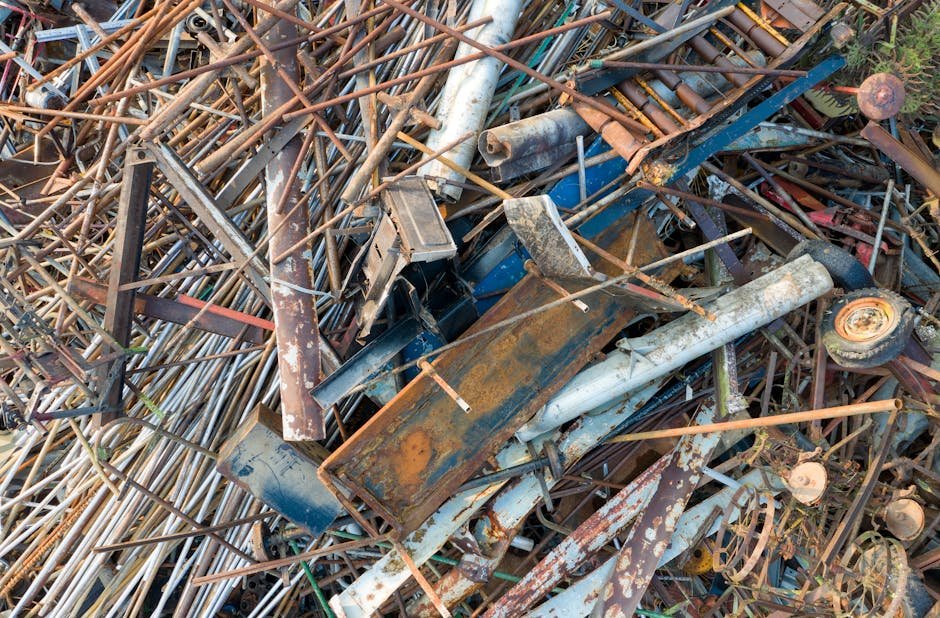
To navigate the market effectively, you must first distinguish between the two primary categories of metal: ferrous and non-ferrous. Ferrous metals contain iron and are magnetic, making them easily identifiable. Common examples include steel, iron, and cast iron. Because these metals are abundant and often used in large-scale construction, they are typically traded in bulk. If you are preparing a load, it is important to check current Scrap Metal Prices to ensure you understand the market value of your specific haul.
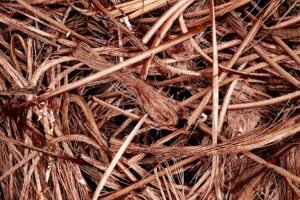
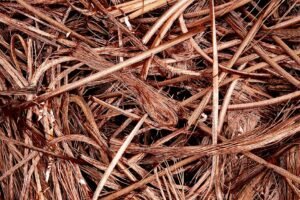
Non-ferrous metals, on the other hand, do not contain iron and include materials such as copper, aluminium, brass, lead, and stainless steel. These metals are highly prized for their resistance to corrosion and their ability to be recycled indefinitely without losing their physical properties. Copper, for instance, is a cornerstone of the electrical and plumbing industries. When you look to Sell Scrap Metal Near Me In 2026, you will find that non-ferrous metals generally command higher prices per kilogram due to their scarcity and the energy-intensive nature of mining virgin ores.
Properly sorting your metals before arriving at a yard is the single most effective way to increase your profit. Mixing grades—such as putting copper wiring in with steel—can downgrade the entire load to the price of the cheapest metal present. By keeping your materials separated, you demonstrate a professional approach that yard operators appreciate, often leading to better long-term relationships and more accurate weighing.
The Scrap Metal Recycling Process: From Collection to Melt
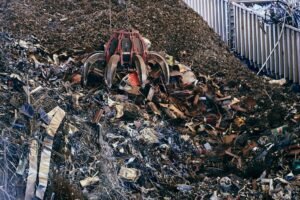
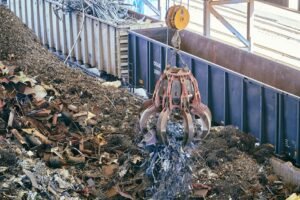
The journey of scrap metal begins long before it hits the furnace. In a region like Jandowae, the process often starts with the collection of agricultural equipment, fencing wire, or construction debris. Once collected, the material is transported to a facility where it undergoes a rigorous sorting process. Advanced facilities use magnets, eddy current separators, and X-ray fluorescence (XRF) technology to identify the chemical composition of each piece of scrap.
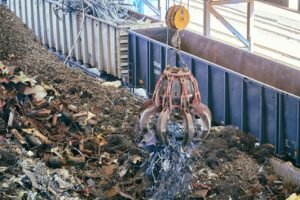
After sorting, the metal is processed to reduce its volume. This involves shredding, shearing, or baling. Shredding breaks large items like car bodies into fist-sized chunks, which makes it easier to remove non-metallic contaminants like plastics and rubber. Baling involves compressing light-gauge metals into dense cubes for easier transport and furnace charging. This transformation is crucial for the efficiency of the smelting process, as it ensures that the raw material is clean, uniform, and ready to be turned into new products.
For those seeking Scrap Metal Recycling Near Me, it is helpful to understand that the end goal is the furnace. Whether it is an electric arc furnace or a blast furnace, the recycled scrap is melted down and refined to meet specific metallurgical standards. This recycled metal is then cast into ingots, billets, or coils, which are sold back to manufacturers to create everything from new car parts to household appliances. This closed-loop system is the backbone of modern industrial sustainability.
Environmental Benefits of Recycling
The environmental impact of recycling scrap metal cannot be overstated. Mining virgin ore is a destructive process that requires massive amounts of energy, water, and land clearing. By contrast, recycling existing metal requires significantly less energy. For example, recycling aluminium saves approximately 95% of the energy required to produce the same amount of aluminium from raw bauxite ore. This energy saving translates directly into a massive reduction in greenhouse gas emissions.
Furthermore, recycling scrap metal jandowae helps preserve finite natural resources. Australia’s landscape is sensitive, and by diverting metal from landfills, we prevent toxic heavy metals from leaching into the soil and groundwater. When metal sits in a landfill, it serves no purpose and occupies valuable space. When it is recycled, it stays within the economy, reducing the need for new mining operations and preserving the natural beauty of the Western Downs for future generations.
If you are interested in learning more about the broader trade network, explore the scrap metal trading platform to see how global markets interact with local recycling efforts. Additionally, you can find resources at Australia’s leading scrap metal portal to stay updated on industry standards and best practices.
Regional Considerations: Scrap Metal Jandowae and Beyond
The scrap metal industry is not uniform across Australia. Regional hubs like Jandowae face unique challenges, such as transportation costs and the logistics of collecting scrap from vast agricultural properties. Unlike urban centers where scrap is concentrated, rural scrap collection requires a coordinated effort between farmers, contractors, and local recycling facilities. This is why having a plan for your scrap collection is vital.
Geographic diversity in the scrap trade is evident when comparing different regions. For instance, the operational requirements for scrap metal hastings may differ significantly from the logistical needs of a facility in the Western Downs. Similarly, the specific types of scrap common in agricultural areas, such as old machinery and irrigation piping, differ from the industrial or municipal waste found in urban hubs like scrap metal tynong. Understanding these regional variations can help you better predict supply and demand in your local area.
Maximizing Your Scrap Value: Practical Tips
To get the best value for your scrap, preparation is key. Here are several expert tips for anyone looking to enter the scrap market in Jandowae:
- Clean your scrap: Remove as much non-metallic material as possible. If you have an electric motor, removing the steel casing can sometimes reveal high-value copper windings underneath.
- Sort by type: As mentioned earlier, keep copper, aluminium, brass, and steel in separate containers.
- Remove contaminants: Fluids, oils, and hazardous materials must be drained from machinery before it can be accepted at a recycling yard.
- Safety first: Always wear gloves, eye protection, and sturdy boots when handling scrap metal. Sharp edges are common and can pose a significant risk.
- Build a relationship: If you have regular scrap, talk to your local yard manager. They can provide advice on how to best prepare your loads to ensure you get the best price.
By treating scrap metal as a commodity rather than waste, you shift your perspective from disposal to recovery. This mindset not only benefits your bottom line but also supports the infrastructure required to keep our environment clean.
The Future of the Scrap Industry
The future of the scrap metal industry is bright, driven by technological advancements and an increasing global demand for recycled materials. As manufacturers strive to reach net-zero carbon targets, the use of recycled steel and aluminium is becoming a mandatory requirement for many supply chains. This shift is creating a more stable and lucrative market for scrap providers.
We are also seeing a rise in automated sorting technologies that allow for higher purity levels in recycled metal. This means that even lower-grade scrap is becoming more valuable as it becomes easier to process and refine. For those involved in scrap metal jandowae, staying informed about these technological shifts will be key to maintaining a competitive edge in the coming years.
The integration of digital platforms into the scrap trade is also making it easier for sellers to track prices and locate reputable buyers. The transparency offered by modern trading platforms ensures that the market remains fair and accessible to everyone, from individual households to large-scale industrial operations. As we look toward 2026 and beyond, the role of the individual recycler will only become more important in the global supply chain.
Conclusion: Taking Action
Recycling scrap metal is one of the most effective ways to contribute to a sustainable future. Whether you are a farmer in Jandowae clearing old equipment or a business owner managing industrial waste, your contribution matters. By understanding the grades of metal, the logistics of the recycling process, and the environmental benefits of your actions, you are participating in a global movement toward a circular economy.
Remember to keep your materials clean, sorted, and safe. Use the resources available to stay updated on market trends and connect with reputable buyers. By taking these steps, you ensure that your scrap metal is handled responsibly and that you receive the fair value you deserve. Start your journey today by assessing the metal you have on hand and identifying the best way to move it through the recycling pipeline.
Frequently Asked Questions
What is the most valuable type of scrap metal?
Non-ferrous metals like copper, brass, and high-grade aluminium are generally the most valuable. These metals are highly sought after because they can be recycled indefinitely without losing their quality.
Do I need to clean my scrap metal before bringing it to a yard?
Yes, cleaning your scrap by removing non-metallic contaminants like plastic, rubber, or wood significantly increases its value. Clean, sorted loads are processed much faster and often fetch a better price.
Why is it important to separate ferrous and non-ferrous metals?
Ferrous metals contain iron and are magnetic, while non-ferrous metals do not. Separating them is crucial because they are processed differently and have vastly different market values.
How does recycling scrap metal help the environment?
Recycling metal reduces the need for energy-intensive mining and processing of virgin ores. It saves significant amounts of energy, lowers greenhouse gas emissions, and prevents metal waste from filling up landfills.