
Navigating the world of scrap metal junction village recycling requires a deep understanding of how global commodities markets intersect with local industrial practices. Whether you are a tradesperson, a construction manager, or a household resident looking to clear out unwanted materials, knowing how to categorize your haul is the first step toward profitability and environmental stewardship. By engaging with professional recycling facilities, you ensure that high-value materials are diverted from landfills and returned to the manufacturing supply chain.
Understanding Metal Grades: Ferrous vs. Non-Ferrous
The foundation of the scrap metal industry is the distinction between ferrous and non-ferrous metals. Ferrous metals, which contain iron, are magnetic and generally have a higher density. Common examples include mild steel, carbon steel, and cast iron. These are the workhorses of the construction industry, found in everything from structural beams to old appliances. Because they are abundant, their price per tonne is typically lower than non-ferrous metals, but they are essential for large-scale industrial recycling.
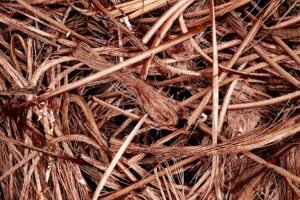
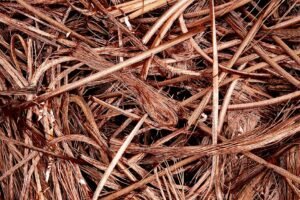
Non-ferrous metals, by contrast, are non-magnetic and highly resistant to corrosion. This category includes copper, aluminium, brass, lead, and stainless steel. These materials are significantly more valuable due to their scarcity and the energy-intensive process required to mine them from raw ore. When you look to Scrap Metal Prices, you will notice that copper wire, for instance, commands a premium because it can be recycled infinitely without losing its conductive properties. Understanding these grades is crucial when you decide to Sell Scrap Metal Near Me In 2026, as proper sorting can significantly increase your payout.
In the context of scrap metal junction village operations, we see a heavy focus on the recovery of aluminium extrusions and copper piping from local renovation projects. Sorting your scrap before arriving at a facility saves time and ensures you receive the highest grade valuation. Mixing metals often results in a ‘mixed scrap’ price, which is the lowest tier available, so keeping your copper separate from your steel is a simple but effective strategy for maximizing your return.
The Lifecycle of Scrap: How Recycling Works
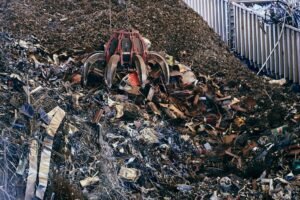
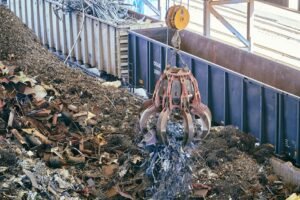
The recycling process is a sophisticated industrial operation that transforms discarded items into raw materials. It begins with collection and transportation. Once the material arrives at a facility, it undergoes rigorous sorting. Advanced technology, such as X-ray fluorescence (XRF) analyzers and eddy current separators, is used to identify the chemical composition of the metal. This ensures that contaminants—such as plastics, rubber, or non-metallic attachments—are removed.
After sorting, the metals are shredded or sheared into smaller pieces. This increases the surface area, making it easier to melt down in furnaces. For aluminium, this process is particularly efficient; recycling aluminium requires 95% less energy than producing it from bauxite ore. This massive energy saving is why the industry is so focused on circular economy principles. If you are searching for Scrap Metal Recycling Near Me, you are participating in a global effort to reduce the carbon footprint of the manufacturing sector.
The final stage is the smelting process, where the shredded metal is heated until it becomes molten. It is then cast into ingots, billets, or sheets, which are sold back to manufacturers to create everything from new car parts to beverage cans. This closed-loop system is the hallmark of sustainable industrial practices in Australia. Whether you are dealing with large-scale demolition waste or small-scale household scrap, the process remains the same, ensuring that no metal is wasted.
Environmental Benefits and Sustainability
The environmental impact of recycling scrap metal cannot be overstated. Mining virgin ore is an incredibly destructive process that leads to habitat loss, soil erosion, and water contamination. By recycling, we drastically reduce the need for new mining operations. Furthermore, the reduction in energy consumption leads to a significant decrease in greenhouse gas emissions. For every tonne of steel recycled, approximately 1.5 tonnes of iron ore and 0.5 tonnes of coal are saved.
In scrap metal junction village, we encourage residents and businesses to view their scrap not as waste, but as a secondary resource. When you choose to recycle, you are directly contributing to the conservation of natural resources. This is particularly important in Australia, where our mining industry is a major economic driver, but also a significant contributor to land degradation. By shifting our reliance toward recycled content, we support a more resilient and sustainable industrial base.
Additionally, recycling prevents toxic materials from entering the environment. Many electronic components and older appliances contain lead, mercury, or cadmium. When these items are sent to landfills, these substances can leach into the groundwater. Professional recycling facilities are equipped to handle hazardous materials safely, ensuring that they are disposed of or treated in compliance with strict environmental regulations. This is why local services like scrap metal recycling bondi junction and scrap metal recycling goolwa are vital community assets that protect our local ecosystems.
Choosing the Right Partner for Your Scrap
Not all scrap yards are created equal. When selecting a partner to handle your metal, look for transparency in pricing, modern equipment, and a commitment to environmental compliance. A reputable dealer will provide clear documentation of the weight and grade of your material, ensuring you are paid fairly based on current market rates. They should also be able to provide advice on how to prepare your scrap for maximum value, such as removing non-metallic attachments or stripping insulation from copper wire.
For those looking for a comprehensive platform, Scrap Trade offers the tools and information necessary to navigate the market with confidence. Similarly, you can find extensive resources and industry updates at Scraptrade.com.au, which serves as a hub for Australian recyclers. Building a long-term relationship with a trusted buyer can lead to better service, faster processing times, and potentially better pricing structures for consistent suppliers.
Safety is another critical factor. Scrap yards can be hazardous environments with heavy machinery and sharp materials. Always follow the instructions provided by site staff, wear appropriate personal protective equipment (PPE), and ensure your vehicle is loaded safely. Professional yards will have designated drop-off zones and clear signage to keep customers safe while they unload.
Advanced Sorting Techniques for Maximum ROI
If you are a commercial client or a regular seller, learning advanced sorting techniques can significantly boost your bottom line. For instance, knowing the difference between ‘bright and shiny’ copper and ‘burnt’ or ‘insulated’ copper is essential. Bright and shiny copper is the purest form and fetches the highest price. Similarly, separating aluminium into ‘cast’ and ‘extrusion’ grades will yield higher returns than selling them as ‘mixed aluminium’.
Many experienced recyclers use magnets to quickly differentiate between ferrous and non-ferrous metals. A simple handheld magnet is an essential tool in your kit. If the magnet sticks, it is likely steel or iron. If it doesn’t, you are dealing with a non-ferrous metal, which is where the real money is. It is also helpful to keep a clean environment for your scrap collection; dirt, oil, and grease can downgrade the quality of your metal, leading to lower offers from the buyer. Keeping your scrap clean and dry is a simple practice that pays off.
The Future of Metal Recycling in Australia
The Australian scrap metal industry is undergoing a digital transformation. With the rise of online platforms and real-time pricing updates, sellers are more informed than ever before. This transparency is driving competition and ensuring that the industry remains efficient. As we look toward 2026 and beyond, the focus will continue to shift toward high-tech sorting and sustainable processing methods. The integration of artificial intelligence in sorting facilities is already beginning to reduce human error and increase the purity of recycled streams.
Furthermore, the circular economy is gaining momentum in government policy. There is an increasing emphasis on ‘design for recycling,’ where manufacturers are encouraged to create products that are easier to disassemble at the end of their life. This will make the job of scrap recyclers easier and more efficient, further increasing the value of recovered materials. By staying informed and participating in the recycling ecosystem, you are at the forefront of this industrial evolution.
Practical Tips for Household and Trade Scrap
For the average household, the best approach is to start a ‘scrap bin’ in the garage or shed. Collect items like old copper pipes, aluminium cans, brass fittings, and even old steel tools. Once you have a significant amount, you can make a trip to the local yard. Remember to call ahead if you have a large or unusual load, as some facilities may have specific requirements for large items or hazardous materials.
For tradies, scrap management should be part of your daily workflow. Set up dedicated bins on site for different types of metal. This prevents contamination and makes the end-of-job clean-up much faster. By keeping your site tidy and your scrap sorted, you not only improve safety but also ensure that you are capturing the maximum value from your waste materials. It is a simple habit that adds up to significant savings over the course of a year.
Conclusion: Taking Action Today
Recycling scrap metal is one of the most effective ways to contribute to a sustainable future while also generating a return on your waste. Whether you are in a major city or a regional town, the principles of sorting, identifying, and partnering with the right facility remain the same. By understanding the grades of metal and the importance of the recycling process, you can turn your scrap into a valuable commodity.
Take the time to research local facilities, understand the current market, and implement a sorting strategy that works for your situation. The industry is ready to help you turn your unwanted metal into a resource for tomorrow. Start your journey today by organizing your scrap and finding a reputable buyer who values your contribution to the circular economy.
Frequently Asked Questions
What is the most valuable metal I can recycle?
Copper is generally the most valuable non-ferrous metal you can recycle. Specifically, ‘bright and shiny’ copper wire or clean copper piping fetches the highest prices due to its high purity and demand in electrical and plumbing applications.
Do I need to clean my scrap metal before selling it?
Yes, cleaning your scrap metal significantly increases its value. Removing non-metallic attachments like plastic insulation, rubber gaskets, or wood debris ensures your material is categorized as a higher grade, which leads to a better payout.
How do I know if my metal is ferrous or non-ferrous?
The easiest way is to use a magnet. If the magnet sticks to the metal, it is ferrous (iron-based), such as steel or iron. If the magnet does not stick, it is non-ferrous, such as copper, aluminium, brass, or stainless steel.
Why is it important to recycle scrap metal instead of throwing it away?
Recycling scrap metal saves vast amounts of energy and natural resources compared to mining virgin ore. It also prevents hazardous materials from leaching into landfills and supports the circular economy by providing raw materials for new manufacturing.