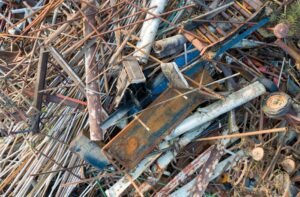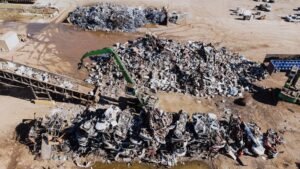

When you are searching for a reliable partner for scrap metal Kirrawee services, you are tapping into a vital circular economy that powers Australian industry. Whether you are a local tradie, a construction site manager, or a household looking to clear out the garage, understanding the nuances of metal recycling is essential for both environmental stewardship and financial gain. Kirrawee, situated in the heart of the Sutherland Shire, has become a central hub for metal recovery, providing a streamlined pathway for turning unwanted waste into valuable industrial commodities.
The Fundamentals of Scrap Metal Grades
Understanding the difference between metal types is the first step in maximizing your returns. In the industry, metals are broadly categorized into two groups: ferrous and non-ferrous. Ferrous metals contain iron, are magnetic, and are generally more abundant but lower in value per kilogram. This category includes steel, iron, and cast iron. When you look to Scrap Metal Recycling Near Me, you will find that these materials are processed in bulk to support the construction and automotive sectors.
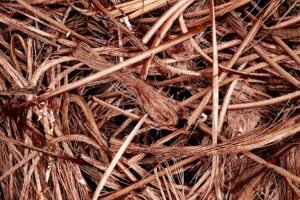
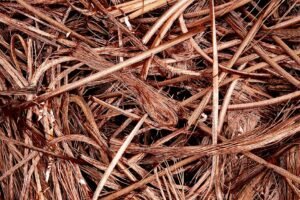
Non-ferrous metals, on the other hand, do not contain iron, are non-magnetic, and are significantly more valuable. This category includes copper, aluminium, brass, stainless steel, and lead. For instance, if you are handling scrap metal lead, you must ensure it is separated from other materials to avoid contamination, as purity levels dictate the final payout. Copper is perhaps the most sought-after metal in the Kirrawee region, often found in electrical wiring, plumbing pipes, and roofing materials. High-grade copper, such as ‘bright and shiny’ wire, commands the highest prices because it requires minimal processing before it can be smelted and reused.
Stainless steel is another critical grade. It is prized for its corrosion resistance and is widely used in kitchen equipment, medical tools, and marine applications. Identifying these grades correctly is a skill that separates the amateur from the professional. By sorting your scrap before arriving at a facility, you ensure that you receive the highest possible market rates for your materials.
How the Recycling Process Works in Kirrawee
The journey of a piece of scrap metal from a Kirrawee job site to a finished product is a sophisticated industrial process. Once you decide to Sell Scrap Metal Near Me In 2026, the material enters a multi-stage transformation. First, the metal is weighed on certified scales to ensure transparency. Next, it undergoes a sorting process. Advanced facilities use magnets for ferrous metals and eddy current separators or X-ray fluorescence (XRF) analyzers to identify non-ferrous alloys with pinpoint accuracy.
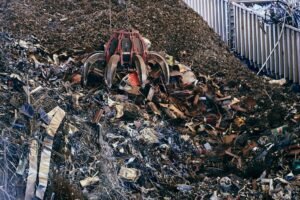
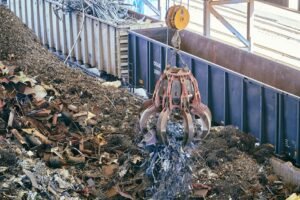
After sorting, the metal is processed to reduce its volume. This is done through shearing, shredding, or baling. Shredding is particularly effective for automotive scrap, turning whole cars into small, manageable pieces of metal. These pieces are then cleaned of impurities—such as plastics, rubber, or glass—using air classifiers and water separation techniques. The final stage is melting. The processed scrap is fed into high-temperature furnaces, where it is converted into molten metal, cast into ingots, or rolled into billets. These raw materials are then sold back to manufacturers to create everything from new steel beams for buildings to aluminium cans for beverages.
This closed-loop system is the backbone of the modern scrap metal market. By keeping metal in circulation, we reduce the need for virgin ore extraction, which is an energy-intensive and environmentally destructive process. When you choose to recycle, you are actively participating in a global supply chain that values resource efficiency above all else.
Environmental Benefits of Metal Recycling
The environmental impact of recycling scrap metal in Kirrawee cannot be overstated. Mining and refining virgin metals require massive amounts of energy and lead to significant habitat destruction, soil erosion, and water pollution. For example, producing new aluminium from bauxite ore requires nearly 95% more energy than recycling existing aluminium scrap. By choosing to recycle, you are effectively lowering the carbon footprint of the entire manufacturing sector.
Furthermore, metal recycling reduces the amount of waste sent to landfills. Metals are infinitely recyclable; they can be melted down and reformed countless times without losing their intrinsic properties. When metals are left in landfills, they can leach harmful chemicals into the groundwater, posing long-term risks to the local environment in the Sutherland Shire. By diverting these materials to specialized facilities, we ensure that our local ecosystem remains protected while simultaneously conserving natural resources for future generations.
The economic benefits also translate into environmental savings. When companies source recycled metal, they reduce their reliance on imported raw materials, shortening supply chains and lowering transport-related emissions. This is a critical component of Australia’s transition to a net-zero economy. As a leader in the industry, Scrap Trade provides the resources and infrastructure necessary to make this transition seamless for both businesses and individuals.
Navigating Scrap Metal Prices
One of the most frequent questions we receive is, “How are Scrap Metal Prices determined?” The reality is that the market is dynamic and influenced by a variety of global factors. Supply and demand are the primary drivers. If a major infrastructure project is underway in Sydney, the demand for steel and copper will spike, driving prices up. Conversely, if global manufacturing slows down, prices may soften.
Currency fluctuations also play a major role. Because many metals are traded globally in US dollars, the strength of the Australian dollar directly impacts the local price of scrap. Additionally, the cost of energy and transportation affects the bottom line for recyclers. To stay informed, it is best to check current market trends regularly. You can find up-to-date information on industry standards and pricing structures at Scraptrade, which offers comprehensive insights into the Australian metal landscape.
Practical tip: To maximize your profit, keep your scrap clean. Remove non-metallic attachments like plastic casings, wood, or concrete. A clean load of copper pipe is always worth significantly more than a load of pipe still attached to wooden framing. Sorting your metals by grade before you visit a facility will save you time and ensure you are paid for the highest value material in your pile.
Safety and Compliance in Scrap Handling
Working with scrap metal, especially on a large scale, requires a commitment to safety. Heavy loads, sharp edges, and hazardous materials are all part of the job. In Kirrawee, professional recycling facilities operate under strict safety protocols to protect both staff and customers. Always wear appropriate personal protective equipment (PPE), including heavy-duty gloves, steel-toed boots, and high-visibility clothing when handling or transporting scrap.
Compliance with environmental regulations is equally important. Some items, such as old appliances containing refrigerants or electronic waste with hazardous components, require specialized handling. Never attempt to dismantle items that may contain toxic substances, such as old batteries or capacitors, without proper training and equipment. Reputable scrap metal recyclers are licensed to handle these materials safely and ensure they are disposed of in accordance with state and federal environmental laws.
By partnering with a certified and transparent facility, you ensure that your scrap metal is processed ethically. This not only protects you from potential liability but also supports the integrity of the recycling industry. Always verify that your chosen recycler is compliant with local council regulations and has the necessary permits to operate in the Kirrawee area.
The Future of Metal Recycling: Innovation and Sustainability
The future of the scrap metal industry is being shaped by technology. As we move toward 2026 and beyond, we are seeing the integration of AI-driven sorting systems that can identify and separate alloys with unprecedented speed and accuracy. These innovations are reducing waste and increasing the purity of recycled products, making them even more desirable for high-end manufacturing applications.
Furthermore, there is an increasing focus on the circular economy, where manufacturers design products with end-of-life recycling in mind. This “design for disassembly” approach will make it easier to recover valuable metals from complex electronics and machinery, further boosting the efficiency of the recycling process. For those involved in the scrap trade, staying ahead of these trends is essential.
Whether you are a professional contractor or a homeowner, your role in this ecosystem is vital. Every kilogram of metal diverted from a landfill and sent to a recycling facility contributes to a more sustainable future. By choosing to work with experts in scrap metal Kirrawee, you are contributing to a cleaner, more efficient, and more prosperous Australia. We encourage you to reach out to our team to discuss how you can optimize your scrap collection and contribute to the circular economy today.
Maximizing Your Returns: A Step-by-Step Guide
If you are serious about getting the best value for your materials, follow these expert tips. First, build a relationship with a local recycler. Regulars often get better service and advice on market fluctuations. Second, invest in a small magnet and a decent pair of snips. Being able to quickly distinguish between steel and non-ferrous metals on-site will save you hours of sorting time later.
Third, keep your scrap dry and protected from the elements. While metal is durable, oxidation (rust) can reduce the value of certain grades, particularly when it comes to high-quality aluminium or copper wiring. Fourth, keep your loads organized. If you arrive with a mixed bin of steel, copper, and brass, the facility will have to sort it, which may reduce your processing speed. A well-organized load is a sign of a professional, and it makes the weighing process much faster for everyone involved.
Finally, keep an eye on the news. Global market shifts, such as changes in Chinese import policies or major infrastructure announcements in Australia, can cause prices to fluctuate. Being aware of these trends allows you to time your sales for maximum profitability. Remember, the scrap metal industry is a professional trade—treat it as such, and you will see the rewards in your bottom line.
Conclusion
The importance of sustainable waste management has never been greater, and the scrap metal industry in Kirrawee is at the forefront of this effort. From understanding the complexities of metal grades to recognizing the environmental and economic benefits of recycling, this guide has provided the foundational knowledge you need to navigate the world of scrap metal effectively. By choosing to recycle, you are not just clearing out clutter; you are participating in a sophisticated industrial process that conserves energy, protects our natural resources, and supports the Australian economy.
Whether you are looking to dispose of small household items or manage large-scale industrial waste, remember that the key to success lies in sorting, safety, and staying informed. Use the resources provided by industry leaders to keep up with current prices and best practices. As we look toward the future, the integration of new technologies and a deeper commitment to the circular economy will only enhance the value and impact of the work done in Kirrawee. Start your recycling journey today and be part of the solution for a greener tomorrow.
Frequently Asked Questions
What is the most valuable scrap metal to recycle?
Copper is generally the most valuable scrap metal due to its high demand in electrical and plumbing industries. Other high-value metals include brass, stainless steel, and aluminium, depending on current market conditions.
Do I need to clean my scrap metal before bringing it to a facility?
Yes, cleaning your scrap by removing non-metallic attachments like plastic, wood, or rubber increases your payout. Clean, sorted metal is faster to process and commands higher market rates.
How often do scrap metal prices change?
Scrap metal prices are dynamic and can change daily or weekly based on global supply and demand, currency fluctuations, and local market conditions. It is recommended to check current rates before selling large quantities.
Is it legal to recycle all types of scrap metal?
Most metals are legal to recycle, but certain items like hazardous waste, gas cylinders, or radioactive materials require specialized handling. Always consult with your local recycler to ensure your items are safe and compliant for disposal.