
When you are looking for reliable services for scrap metal Llandilo, understanding the lifecycle of your materials is the first step toward maximizing value and sustainability. Whether you are a local tradie, a construction firm, or a homeowner clearing out a garage, the Llandilo region offers significant opportunities to turn waste into revenue. By engaging with professional recycling facilities, you contribute to a circular economy that minimizes landfill impact while supporting Australian industry.
Understanding Metal Grades: Ferrous vs. Non-Ferrous
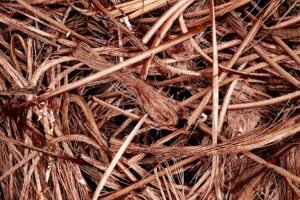
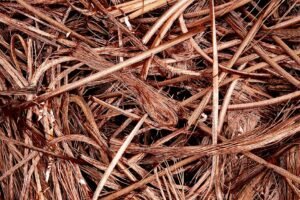
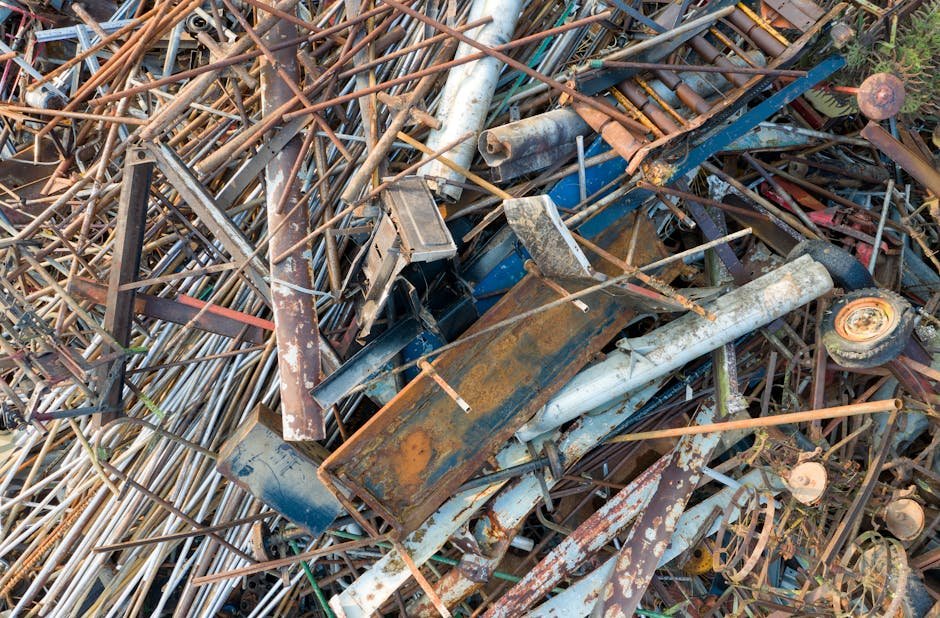
To navigate the market effectively, you must first distinguish between the two primary categories of scrap metal: ferrous and non-ferrous. Ferrous metals, such as iron and steel, are magnetic and generally have a lower market value per kilogram due to their abundance. Common examples include structural steel, cast iron, and carbon steel. In contrast, non-ferrous metals—including copper, aluminium, brass, lead, and stainless steel—are non-magnetic and highly prized for their durability and infinite recyclability. Copper, for instance, is a cornerstone of the electrical grid, and its price fluctuates based on global demand. If you are preparing to Sell Scrap Metal Near Me In 2026, sorting your metals by grade before arrival is the most effective way to ensure you receive the highest payout. Mixing grades often leads to lower-tier pricing because the facility must invest additional labor to separate the materials later.
The Scrap Metal Recycling Process: From Collection to Commodity
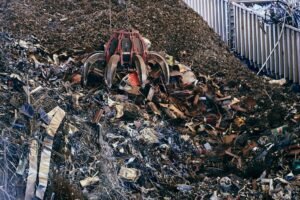
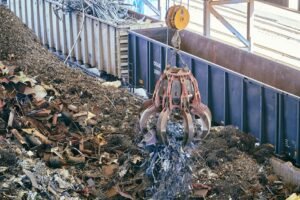
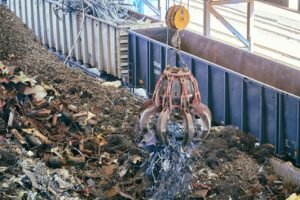
The recycling process is a sophisticated industrial operation designed to transform scrap into high-quality raw materials. Once you drop off your items at a facility offering Scrap Metal Recycling Near Me, the materials undergo a rigorous verification process. First, the scrap is weighed on certified scales to ensure accurate payment. Next, it is sorted—often using advanced technology like X-ray fluorescence (XRF) analyzers to determine the exact chemical composition of alloys. Following sorting, the metal is processed through shredders, shears, or balers. Shredding breaks down large items into smaller, manageable pieces, making it easier to remove impurities like plastic, rubber, or wood. Finally, the processed metal is melted down in furnaces to create ingots or billets, which are sold to manufacturers to create everything from new car parts to household appliances. This efficient cycle is why the industry remains a vital component of the Australian economy, whether you are in a major hub or exploring options like scrap metal kalgoorlie or scrap metal jandowae.
Economic Advantages and Market Dynamics
The financial incentive for recycling is driven by global commodity markets. When you track Scrap Metal Prices, you are essentially looking at the pulse of global manufacturing. Factors such as infrastructure development in emerging markets, supply chain disruptions, and energy costs all influence how much your scrap is worth. For businesses in Llandilo, maintaining a consistent relationship with a scrap yard allows for better planning and cash flow management. It is not just about the immediate payout; it is about managing site waste efficiently to avoid disposal fees. By partnering with a reputable scrap metal trading platform, you gain access to real-time data that helps you decide when to hold or sell your inventory. Strategic selling based on market trends can significantly increase your annual revenue from waste materials.
Environmental Benefits of Metal Recycling
Recycling metal is one of the most effective ways to reduce your carbon footprint. The energy required to produce new metal from recycled scrap is a fraction of the energy needed to extract and refine virgin ore. For example, recycling aluminium saves approximately 95% of the energy required to produce it from bauxite ore. This massive reduction in energy consumption translates to lower greenhouse gas emissions and less reliance on destructive mining practices. Furthermore, recycling keeps toxic materials out of landfills, preventing heavy metals from leaching into the soil and groundwater. By choosing to recycle your scrap metal Llandilo, you are actively participating in the preservation of Australia’s natural landscapes and reducing the demand for raw material extraction.
Best Practices for Preparing Your Scrap
Preparation is the difference between a quick, profitable transaction and a long, frustrating day at the yard. Always ensure your scrap is free from hazardous materials. Items like sealed gas cylinders, pressurized tanks, or containers that held chemicals can be dangerous to workers and equipment. Most facilities will reject these items or charge a disposal fee. Additionally, remove non-metallic attachments whenever possible. If you have an electric motor, removing the steel casing can help you isolate the copper windings inside, which are worth significantly more. Keep your aluminium, copper, and steel in separate containers. Use a magnet to test your metals—if it sticks, it is ferrous; if it doesn’t, it is likely a more valuable non-ferrous metal. For large-scale industrial clearances, consider renting a skip bin from a professional scrap metal service to keep your site organized and safe.
Safety and Compliance in the Scrap Industry
Safety is paramount when handling scrap metal. Whether you are transporting heavy steel beams or small amounts of copper wiring, always use appropriate personal protective equipment (PPE), including gloves, steel-toed boots, and high-visibility clothing. In Llandilo, compliance with local environmental regulations is mandatory. Professional scrap yards operate under strict licenses that govern how they handle, store, and process materials to protect the surrounding environment. When you choose a certified recycler, you are ensuring that your waste is handled legally and ethically. Avoid “backyard” buyers who operate outside of these regulations, as they often lack the infrastructure to process materials safely and may not provide fair market value or environmental accountability.
Future Trends in Metal Recycling
The industry is currently undergoing a digital transformation. The rise of online platforms for trading and price tracking is making the market more transparent than ever before. We are also seeing advancements in robotic sorting, which uses artificial intelligence to identify and separate metals with near-perfect accuracy. These technologies will continue to drive efficiency, leading to higher recovery rates and better pricing for the end-user. As we look toward the future, the integration of blockchain technology to track the “provenance” of recycled metals is gaining traction, allowing manufacturers to verify the recycled content of their products. Staying informed about these trends will help you position your business or household to take advantage of a more sustainable and profitable future in the scrap metal industry.
Conclusion: Taking Action in Llandilo
Recycling is more than just a way to clear space—it is a smart financial and environmental decision. By understanding the grades of metal, keeping up with market trends, and following safe preparation practices, you can turn your scrap metal Llandilo into a reliable income stream. Whether you are a small-scale recycler or managing industrial-sized volumes, the key to success is consistency and partnership with verified professionals. Start by auditing your current waste streams, separating your materials, and reaching out to a trusted partner to get started on your recycling journey today.
Frequently Asked Questions
Frequently Asked Questions
What is the most valuable scrap metal to collect?
Copper is generally the most valuable scrap metal due to its high demand in electrical and plumbing industries. Other high-value metals include brass, aluminium, and stainless steel.
Do I need to clean my scrap metal before bringing it to a yard?
While you don’t need to scrub it, removing non-metallic attachments like plastic, rubber, or wood will significantly increase the value of your scrap. Cleaner, sorted loads are processed faster and usually fetch better prices.
Are there items that scrap yards will not accept?
Yes, most yards will not accept hazardous materials, including radioactive items, sealed pressure vessels, asbestos-containing materials, or containers with chemical residues. Always check with your local facility before bringing in complex items.
How do scrap metal prices change?
Prices are determined by global supply and demand, commodity exchange rates, and the cost of energy. Because these factors fluctuate daily, it is wise to check current market rates before selling large volumes.