
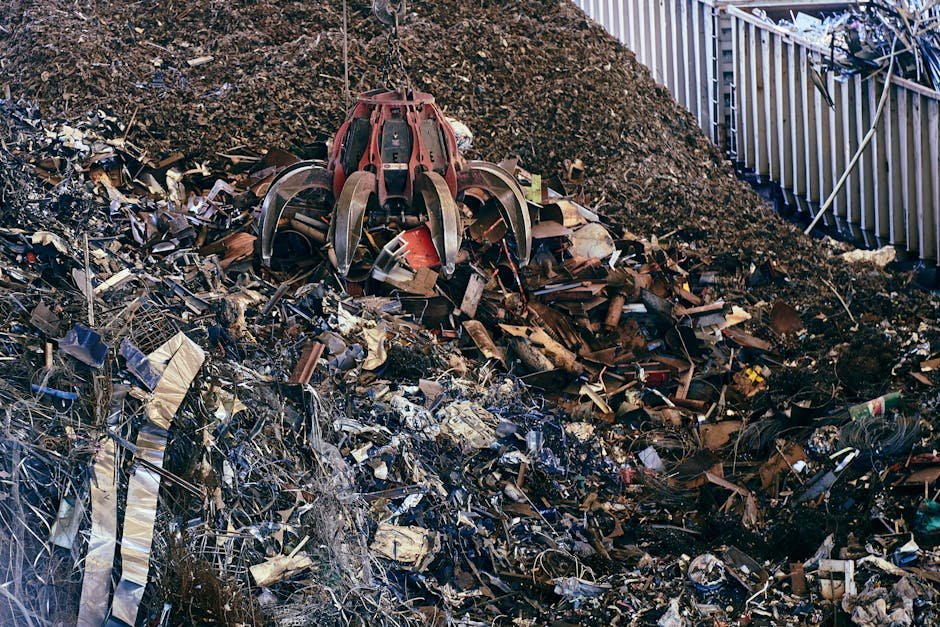

When searching for professional scrap metal Maidstone services, it is essential to understand the lifecycle of the materials you are handling. Whether you are a trade contractor, a demolition expert, or a household resident clearing out a garage, the process of recycling metal is a cornerstone of the circular economy in Victoria. By choosing a reputable facility, you ensure that your waste is diverted from landfills and processed efficiently to recover valuable raw materials.
Understanding Metal Grades: Ferrous vs. Non-Ferrous
To get the best value when you Scrap Metal Prices, you must first understand the classification of your haul. Metals are primarily divided into two main categories: ferrous and non-ferrous. Ferrous metals, such as iron and steel, contain carbon and are magnetic. They are the most recycled materials globally due to their prevalence in construction, automotive manufacturing, and infrastructure. In contrast, non-ferrous metals—including copper, aluminium, brass, lead, and zinc—do not contain iron. These are generally more valuable because they are highly resistant to corrosion and can be recycled infinitely without losing their chemical properties.
For those looking to Sell Scrap Metal Near Me In 2026, identifying these grades is the first step toward a profitable transaction. Copper, for instance, is often graded by its purity (e.g., Bright Bare Wire vs. Burnt Copper). Aluminium is categorized by its form, such as extrusions, cast, or sheet. By separating your metals before arriving at our facility, you streamline the weighing process and ensure you receive the most accurate valuation based on current market trends.
The Scrap Metal Recycling Process Explained
The journey from a discarded item to a new product is a sophisticated industrial process. Once you bring your materials to a scrap metal Maidstone site, the recycling journey begins with weighing and inspection. Professional recyclers utilize high-precision scales to determine the exact weight and composition of the load. Following this, the material is sorted using advanced technology, including magnetic separators for ferrous metals and eddy current separators for non-ferrous materials.
After sorting, the metal is processed. This may involve shearing, shredding, or baling to reduce volume for transport. Shredding is particularly effective, as it breaks down complex items like vehicles or appliances into smaller fragments, allowing for the separation of non-metallic components like plastics or glass. This high-efficiency processing is why local recycling hubs are so vital. If you are located further afield, you might also look into scrap metal dalmore or scrap metal dewhurst services to maintain the same high standard of material recovery across the region. Once processed, the raw metal is sold to smelters and refineries, where it is melted down and cast into ingots for new manufacturing.
Environmental Benefits of Recycling
The environmental case for recycling is undeniable. Mining for virgin ore is an energy-intensive process that leaves significant scars on the landscape. By recycling metal, we drastically reduce the need for destructive mining practices. For example, recycling aluminium uses approximately 95% less energy than producing it from raw bauxite ore. This energy saving translates directly into a reduction in greenhouse gas emissions, helping Australia meet its climate targets.
Furthermore, recycling preserves our finite natural resources. Every tonne of steel recycled saves over a tonne of iron ore, 600kg of coal, and 50kg of limestone. When you engage in Scrap Metal Recycling Near Me, you are participating in a global effort to minimize waste. This is a critical component of sustainable urban development. By keeping metals in the supply chain, we reduce the amount of hazardous waste leaching into our soil and waterways from landfills, protecting local ecosystems for future generations.
How to Prepare Your Scrap for Maximum Value
Preparation is the secret to maximizing your financial return. Many people make the mistake of bringing mixed loads to the yard. While professional facilities can handle mixed scrap, sorting it yourself at home or on-site saves time and often results in higher payouts. Start by separating your metals by type: copper with copper, aluminium with aluminium, and steel with steel. Remove any non-metallic attachments, such as plastic handles on copper pipes or glass mirrors on metal frames.
If you are dealing with industrial quantities, consider using bins or pallets to keep your materials organized. Cleanliness also matters; metals contaminated with oil, paint, or excessive dirt may be downgraded. For those in Maidstone, utilizing a trusted scrap metal trading platform can help you stay informed about the best times to sell. Timing the market is an advanced strategy, but even for small-scale recyclers, keeping your materials clean and sorted is the most effective way to ensure you are paid the top-tier market rate for your grade.
The Future of Metal Recycling in Australia
The industry is currently undergoing a digital transformation. With the rise of advanced sorting technologies and more transparent pricing models, the industry is becoming more accessible than ever. As we look toward 2026 and beyond, the focus is shifting toward “urban mining.” This concept treats our cities as mines, where existing infrastructure and products are the sources of our future raw materials. This shift is essential for building a resilient supply chain that is less dependent on volatile international commodity markets.
For those interested in the broader industry, the national scrap metal recycling network provides extensive resources on how the sector is evolving. From the implementation of AI-driven sorting to better logistics for industrial collection, the goal is to make recycling a seamless part of the Australian economy. As a resident or business owner in Maidstone, your contribution to this system is significant. Every piece of metal you divert from a skip bin and bring to a recycling facility helps strengthen our local and national industrial capability.
Safety and Compliance: What You Need to Know
Safety is the top priority in any scrap metal Maidstone operation. Handling scrap metal involves heavy, sharp, and potentially hazardous materials. Always wear appropriate personal protective equipment (PPE), including heavy-duty gloves, steel-toed boots, and high-visibility clothing when transporting or unloading scrap. Be particularly cautious with items that may contain pressurized components, such as old gas cylinders or fire extinguishers, which require special handling and should never be placed in a standard shredder.
Compliance with environmental regulations is also non-negotiable. Reputable scrap yards are heavily regulated to ensure they manage waste responsibly, including preventing runoff from oily metals and ensuring hazardous materials are disposed of in accordance with state laws. By choosing a licensed and verified recycling facility, you are not only ensuring your own safety but also supporting a business that operates with integrity and respect for the local environment. Always ask for documentation if you are disposing of large quantities of commercial scrap, as this ensures a transparent paper trail for your business records.
Maximizing Your Returns: Tips for Contractors
For contractors and demolition crews, scrap metal is often a significant revenue stream that can offset the costs of a project. Developing a site management plan that prioritizes the separation of scrap at the source is key. Instead of throwing everything into a single general waste skip, designate specific bins for different metal grades. This practice alone can turn a disposal cost into a profitable recovery operation.
Additionally, build a relationship with your local scrap merchant. By becoming a regular, you can negotiate better terms, receive updates on market fluctuations, and gain access to specialized collection services. If your project is large, inquire about bin services where the recycler drops off an empty container and picks it up once full. This logistical support is invaluable for maintaining site efficiency and safety. Remember, the metal you recover is a valuable commodity—treat it with the same care you would any other asset on your project site.
Conclusion: Your Role in the Circular Economy
Recycling is more than just a way to earn extra cash; it is a fundamental responsibility in a modern, sustainable society. By engaging with scrap metal Maidstone services, you are directly contributing to the reduction of carbon emissions, the preservation of natural resources, and the growth of the local economy. Whether you are a homeowner with a single appliance or a business manager with tonnes of industrial offcuts, your participation matters.
We encourage you to stay informed, keep your materials sorted, and choose partners who prioritize transparency and environmental stewardship. The transition to a circular economy is a collective effort, and every tonne of metal recovered is a step toward a cleaner, more efficient future. Explore our resources, keep track of market trends, and make the most of the valuable materials in your possession. Together, we can ensure that nothing goes to waste and that our local industry remains a leader in sustainable resource management.
Frequently Asked Questions
What is the most valuable scrap metal to recycle?
Copper is generally the most valuable common scrap metal due to its high demand in electrical and plumbing industries. Other high-value metals include brass, stainless steel, and aluminium.
Do I need to clean my scrap metal before bringing it in?
Yes, cleaning your scrap by removing non-metallic attachments like plastic, rubber, or wood will significantly increase its value. Clean, sorted metal is faster to process and commands a higher price than contaminated loads.
How do I know if my metal is ferrous or non-ferrous?
The easiest way to tell is by using a magnet. If the magnet sticks to the metal, it is ferrous (iron-based). If the magnet does not stick, it is likely a non-ferrous metal like copper, aluminium, or brass.
Can I get paid for scrap metal on the spot?
Yes, most professional scrap yards offer payment upon delivery once the material has been weighed and graded. It is recommended to bring valid identification and, for businesses, your ABN for tax compliance.











