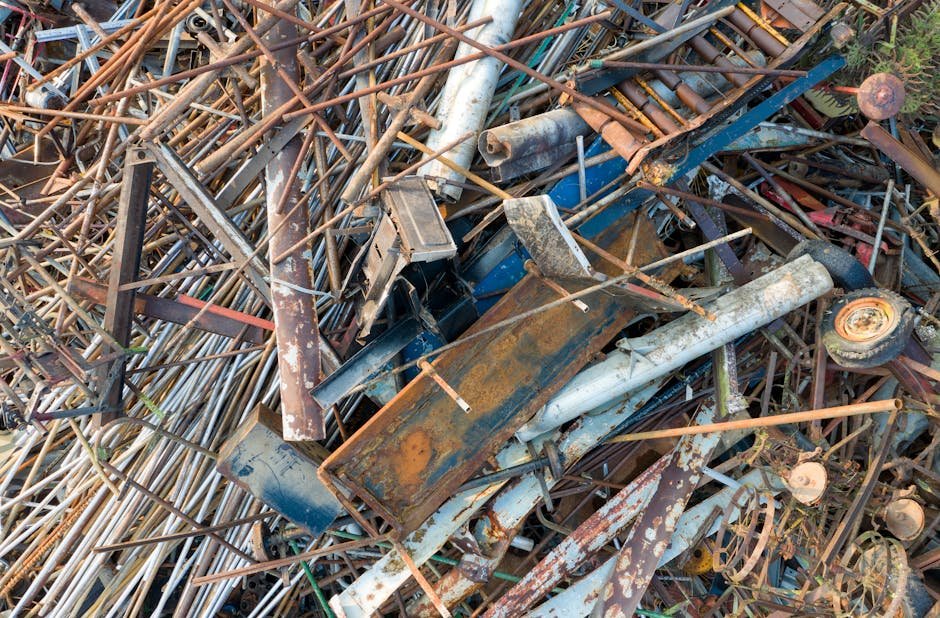

Navigating the world of scrap metal Mandurah requires a solid understanding of how the industry operates, from identifying different metal grades to understanding the environmental impact of your recycling efforts. Whether you are a local contractor, a business owner, or a resident looking to clean up your property, knowing where to take your materials is essential. As the industry evolves, the demand for sustainable practices has made scrap recycling a cornerstone of the Australian circular economy. For those looking for a comprehensive overview, our Mandurah Scrap Metal: The Ultimate Guide to Recycling & Trading provides the foundational knowledge needed to get started.
Understanding Metal Grades: Ferrous vs. Non-Ferrous
To maximize the value of your scrap, you must first distinguish between the two primary categories of metal: ferrous and non-ferrous. Ferrous metals contain iron, are magnetic, and are generally more abundant. Common examples include steel, iron, and cast iron. Because these are used extensively in construction and automotive manufacturing, they are recycled in massive volumes. If you are searching for a Metal Scrap Yard Near Me, you will find that most facilities have specific protocols for handling these heavy loads.
Non-ferrous metals, on the other hand, are non-magnetic and highly valuable due to their resistance to corrosion and their infinite recyclability. This category includes copper, aluminium, brass, lead, and stainless steel. Copper, in particular, is one of the most sought-after commodities in the global market. Understanding these grades is crucial when checking Scrap Metal Prices, as your payout will depend entirely on the purity and type of metal you bring to the yard. For a deeper dive into market fluctuations, consult the Ultimate Guide to scrap metal prices in Australia to ensure you are getting a fair deal.
The Recycling Process: From Collection to Commodity
The journey of scrap metal begins with collection. Whether it is industrial offcuts or domestic appliances, the metal is transported to a facility like Crg Scrap Metal, where it undergoes a systematic processing cycle. First, the metal is sorted using advanced technology such as magnetic separators, eddy current separators, and X-ray fluorescence (XRF) to ensure purity. Sorting is the most critical step; contaminated loads can significantly reduce the value of the batch.
Once sorted, the metal is processed. This involves shredding or shearing the material into smaller, manageable pieces. Shredding increases the surface area, making it easier to separate impurities. After processing, the metal is melted down in furnaces to create ingots or billets. These ingots become the raw material for manufacturers, effectively closing the loop. By participating in this process, you are contributing to a system that prevents millions of tonnes of waste from entering landfills annually. You can learn more about these industrial standards through Scrap Trade or by exploring professional resources at Scraptrade.com.au.
Environmental Benefits of Scrap Metal Recycling
The environmental impact of recycling scrap metal Mandurah cannot be overstated. Mining virgin ore is an energy-intensive and ecologically destructive process that involves deforestation, water pollution, and massive carbon emissions. By recycling existing metal, we bypass the need for mining. For instance, recycling aluminium saves approximately 95% of the energy required to produce the same amount of metal from raw bauxite ore. This massive energy saving translates directly into a significant reduction in greenhouse gas emissions.
Furthermore, recycling helps preserve our natural landscape. When you bring your scrap to a reputable yard, you are actively reducing the demand for new mining operations in Western Australia. This preservation of biodiversity and habitat is a tangible benefit of the recycling industry. Additionally, recycling reduces the pressure on local landfills, which are rapidly reaching capacity. As a community, Mandurah residents play a vital role in this environmental stewardship by ensuring that metals are recovered rather than discarded.
How to Prepare Your Scrap for Maximum Value
Preparation is the secret to getting the best returns. If you want to optimize your profit, start by cleaning your scrap. Remove non-metallic attachments such as plastic, rubber, or wood. For example, if you have copper wiring, stripping the plastic insulation can significantly increase the price per kilogram. While it requires time, the difference in weight and grade purity is often worth the effort.
Another tip is to separate your metals before you arrive at the yard. Mixing copper with steel will often result in the entire load being graded at the lower price of the steel. Keep your aluminium, copper, brass, and steel in separate containers. If you have large items, check with the yard beforehand to see if they require specific dismantling. Being organized not only makes the process faster for you but also demonstrates professionalism, which can lead to better relationships with yard managers.
Safety Protocols in the Scrap Yard
Safety is paramount when handling scrap metal. Metal can be sharp, heavy, and potentially hazardous if it contains residues of chemicals or fuels. Always wear appropriate personal protective equipment (PPE), including heavy-duty gloves, steel-capped boots, and high-visibility clothing. When transporting scrap, ensure your load is properly secured to prevent accidents on the road.
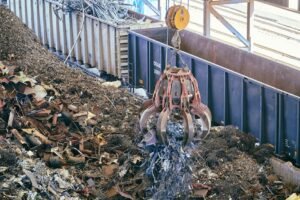
If you are dealing with large industrial scrap, use mechanical aids like cranes or forklifts. Never attempt to lift heavy machinery alone. Furthermore, be aware of environmental safety. If you are disposing of items that may contain hazardous fluids, such as car batteries or old radiators, ensure they are drained and handled according to environmental regulations. Reputable yards will have dedicated areas for hazardous materials to ensure they are processed safely without leaking into the soil or water table.
The Future of the Scrap Industry in Western Australia
The industry is currently undergoing a digital transformation. With the advent of real-time tracking and more transparent pricing models, the scrap metal market is becoming more accessible to the general public. We are seeing increased investment in sorting technology, which allows for higher recovery rates of rare earth metals found in electronics. This is particularly relevant as the world shifts toward renewable energy technologies, which rely heavily on metals like cobalt, lithium, and copper.
In Mandurah, the growth of local infrastructure projects means there is a steady supply of construction scrap. By aligning with local recycling initiatives, the community can ensure that these resources are kept within the local economy. The future of the industry lies in the concept of the ‘circular economy,’ where waste is viewed as a resource. By continuing to support local scrap metal Mandurah businesses, we are building a more sustainable and economically robust future for Western Australia.
Frequently Asked Questions
What is the difference between ferrous and non-ferrous scrap?
Ferrous metals contain iron and are magnetic, such as steel and iron. Non-ferrous metals are non-magnetic and include valuable materials like copper, aluminium, and brass, which are generally worth more.
How can I get the best price for my scrap metal?
To get the best price, ensure your scrap is clean, free of non-metallic contaminants, and properly sorted by type. Separating your metals prevents high-value items from being downgraded to the price of cheaper scrap.
Why is recycling scrap metal better for the environment?
Recycling metal significantly reduces the energy required to produce new products compared to mining virgin ore. It also preserves natural habitats, reduces carbon emissions, and keeps waste out of landfills.
Do I need to prepare my scrap before bringing it to the yard?
Yes, preparing your scrap by removing attachments like plastic or wood and sorting the metals into categories will speed up the weighing process and often lead to better financial returns.