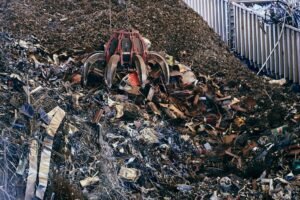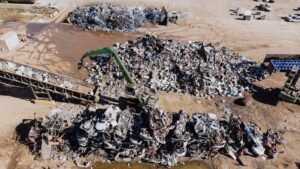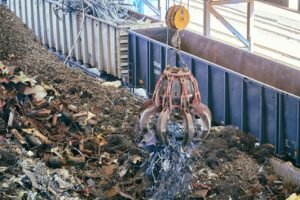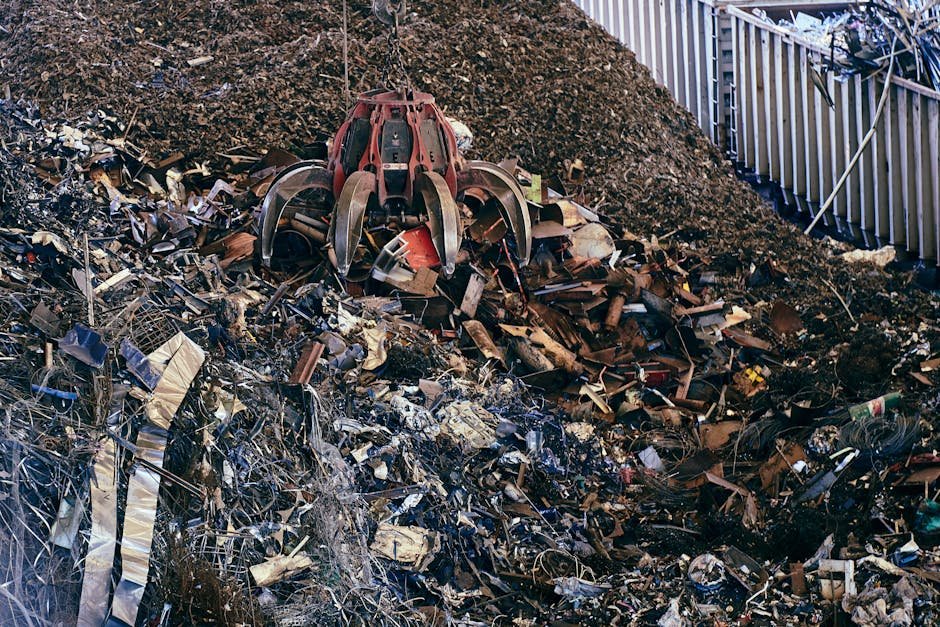

The term scrap metal munno para encompasses a growing network of metal recycling facilities and trading platforms serving the northern suburbs of Adelaide. As urban development and industrial activity increase in areas like Munno Para West, Smithfield, and Elizabeth, so does the volume of ferrous and non-ferrous scrap metal generated from construction, demolition, manufacturing, and household sources. Recycling this material not only supports local economies but also contributes significantly to environmental sustainability by reducing landfill use and conserving raw resources. This guide explores the full lifecycle of scrap metal in the Munno Para region, including classification standards, collection methods, pricing dynamics, and long-term ecological advantages.
Understanding Scrap Metal Grades in Munno Para
One of the foundational aspects of the scrap metal industry is the classification of materials into standardized grades. In the context of scrap metal munno para, these grades determine both the value and recyclability of materials. Australian recycling facilities follow national and international benchmarks set by organizations such as the Australian Bureau of Statistics (ABS) and the Institute of Scrap Recycling Industries (ISRI). Proper grading ensures consistency in processing, safety in handling, and accuracy in pricing.
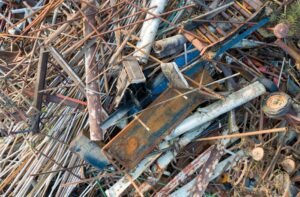
Scrap metals are broadly categorized into two main types: ferrous and non-ferrous. Ferrous metals contain iron and are magnetic, making them easier to separate during processing. Common ferrous scrap includes:
- Steel beams and rebar from construction sites
- Automotive bodies and pressed metal parts
- Appliances such as refrigerators, washing machines, and ovens
- Industrial machinery and equipment casings
These are typically graded under codes like HMS 1 (Heavy Melting Steel) and HMS 2, depending on thickness, contamination level, and preparation. For instance, HMS 1 requires pieces over 6mm thick with minimal impurities, while HMS 2 allows slightly more rust and mixed sections.
Non-ferrous metals, which do not contain iron, are generally more valuable due to their resistance to corrosion and high demand in manufacturing. Key non-ferrous grades found in the scrap metal munno para supply chain include:
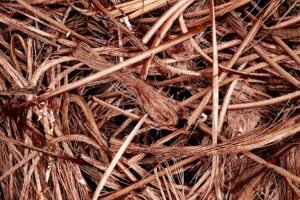
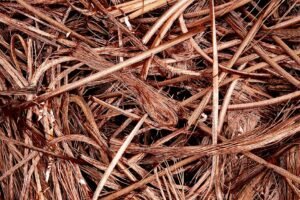
- Copper — categorized as Bare Bright (clean, unalloyed), #1 Copper (thick wire, tubing), and #2 Copper (slightly tarnished or insulated)
- Aluminum — separated into clean cast aluminum, extrusions, and mixed auto alloys
- Brass — often from plumbing fixtures and fittings
- Stainless steel — sorted by grade (304, 316) based on chromium and nickel content
- Zinc and lead — commonly recovered from batteries and roofing materials
Accurate sorting at the source—whether by a homeowner clearing a garage or a contractor deconstructing a commercial building—directly impacts payout rates. Contaminated loads (e.g., mixed plastics, wood, or hazardous materials) may be downgraded or rejected altogether. To maximize returns, individuals and businesses in the Munno Para area should refer to current Scrap Metal Prices before delivering materials to a facility.
How Scrap Metal Recycling Works in Munno Para
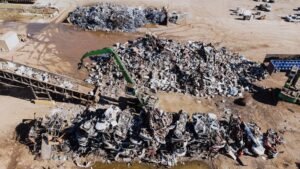
The recycling process for scrap metal munno para follows a systematic, industrial-grade workflow designed to recover maximum material value while minimizing environmental impact. From collection to remelting, each stage is optimized for efficiency, safety, and compliance with South Australian environmental regulations.
Step 1: Collection and Transportation
Residents and businesses in Munno Para can deliver scrap directly to local recycling yards or arrange for pickup via licensed collectors. Many operators offer mobile services for large-scale industrial clients. For smaller quantities, drop-off centers near Main North Road and Andrews Road provide convenient access. Before transport, it’s advisable to sort materials by type and remove non-metal components to reduce processing time.
Step 2: Weighing and Inspection
Upon arrival at a recycling facility, scrap loads are weighed using certified scales. A sample inspection determines the grade and purity of the material. Any contamination—such as oil residue, PVC insulation on wires, or mixed debris—is noted, which can affect the final price per tonne. Transparency at this stage is crucial; reputable yards provide itemized reports and real-time pricing updates.
Step 3: Sorting and Processing
After weighing, materials enter the sorting phase. Ferrous metals are separated using powerful overhead magnets, while eddy current separators isolate non-ferrous metals like aluminum and copper. Optical sorting technology and manual inspection further refine the stream. Once sorted, metals are shredded, sheared, or baled into uniform sizes suitable for furnace feeding.
Step 4: Shredding and Size Reduction
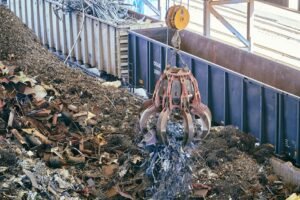
Large items such as vehicles, appliances, and structural steel are fed into industrial shredders capable of reducing them to fist-sized fragments. This increases surface area for efficient melting and removes trapped contaminants. Dust and fine particles are captured through advanced filtration systems to meet EPA air quality standards.
Step 5: Melting and Purification
Processed scrap is transported to foundries where it is melted in electric arc furnaces (EAFs) or induction furnaces. EAFs are particularly common for steel recycling, reaching temperatures above 1,600°C. During melting, impurities rise to the surface as slag and are removed. For non-ferrous metals like aluminum, fluxing agents are used to separate dross and ensure purity.
Step 6: Casting and Reuse
Molten metal is poured into molds or cast into ingots, billets, or coils for shipment to manufacturers. Recycled steel may become new car frames, while recycled aluminum can be turned into beverage cans or window frames. The entire recycling loop—from consumer discard to industrial reuse—can take as little as six weeks, demonstrating the agility of modern circular economy models.
Environmental Benefits of Scrap Metal Recycling in Munno Para
Recycling scrap metal munno para delivers substantial environmental benefits that extend far beyond waste reduction. According to the Australian Council of Recycling (ACOR), metal recycling saves up to 95% of the energy required to produce virgin metal from raw ore. This translates into measurable reductions in greenhouse gas emissions, water consumption, and land degradation.
Energy Conservation
Producing new aluminum from bauxite ore consumes approximately 14,000 kWh per tonne, whereas recycling used aluminum requires only about 900 kWh—a 94% energy saving. Similarly, recycling steel saves around 60–75% of the energy needed for primary production. These efficiencies directly reduce reliance on fossil fuels and lower carbon dioxide output across the manufacturing sector.
Landfill Diversion
South Australia leads the nation in recycling rates, with over 75% of waste diverted from landfill. However, metal waste still constitutes a significant portion of municipal and industrial refuse. By channeling scrap through formal recycling channels in Munno Para, communities prevent long-term soil and groundwater contamination. Metals like lead and cadmium, if improperly disposed of, can leach into ecosystems and pose public health risks.
Resource Conservation
Australia imports certain critical minerals and relies heavily on finite domestic reserves. Recycling reduces pressure on mining operations in regions like the Pilbara and Olympic Dam. For example, every tonne of recycled copper avoids the need to process up to 100 tonnes of ore. This not only preserves natural landscapes but also reduces the ecological footprint of extractive industries.
Climate Change Mitigation
The federal government’s National Waste Policy Action Plan targets a 10% reduction in embodied emissions from materials by 2030. Metal recycling is a key lever in achieving this goal. It’s estimated that recycling one tonne of steel prevents approximately 1.5 tonnes of CO₂ emissions. With Munno Para generating increasing volumes of end-of-life metal products, local participation in recycling initiatives directly contributes to national climate objectives.
Where to Sell Scrap Metal in and Around Munno Para
For residents and contractors looking to monetize their scrap, several reputable facilities serve the Munno Para region. These centers offer competitive rates, transparent grading, and compliance with Work Health and Safety (WHS) standards. It’s important to choose a licensed recycler who reports transactions and adheres to anti-theft legislation under the South Australia Metal Theft Prevention Act 2012.
When selecting a buyer, consider the following factors:
- Proximity to your location (to minimize transport costs)
- Real-time pricing visibility
- Grade-specific payment rates
- Customer service and processing speed
- Acceptance of mixed or contaminated loads
Popular options near Munno Para include:
- SA Metal Group’s Elizabeth Yard — one of the largest processors in northern Adelaide, accepting both ferrous and non-ferrous materials
- Urban Metal Recycling — known for fast turnaround and electronic payments
- ABC Towing & Recycling — offers free pickup for large industrial loads
Additionally, digital platforms like Scrap.Trade connect sellers with verified buyers across South Australia, streamlining the process of finding the best deal. For those planning ahead, the guide Sell Scrap Metal Near Me In 2026 outlines upcoming trends in pricing, regulation, and technology that will shape the market in the coming years.
Maximizing Returns: Tips for Selling Scrap Metal
Earning top dollar for your scrap metal munno para requires more than just showing up with a truckload of metal. Strategic preparation can significantly increase your payout. Here are expert-backed tips:
- Sort by Grade: Separate copper from brass, aluminum from steel. Mixed loads are downgraded and pay less.
- Clean Materials: Remove plastic, rubber, and insulation from wires. Burned or stripped wire fetches higher rates.
- Remove Contaminants: Drain oil and coolant from machinery. Dirty motors may be rejected or penalized.
- Time Your Sale: Prices fluctuate based on global commodity markets. Check Scrap Metal Prices weekly and sell when rates peak.
- Bundle Small Items: Use wire or straps to bundle rebar, pipes, or conduit for easier handling and faster processing.
- Keep Documentation: For commercial sellers, maintain records of origin to comply with metal theft laws.
Homeowners clearing out old appliances should note that modern refrigerators and air conditioners contain valuable copper coils but may require licensed handling due to refrigerants. Similarly, catalytic converters contain platinum group metals but are tightly regulated—only authorized recyclers can legally process them.
For those in surrounding suburbs, locations like scrap metal gembrook and scrap metal chelsea offer alternative drop-off points with competitive pricing and extended hours. Comparing nearby facilities ensures you’re getting fair value for your effort.
Regulations and Compliance for Scrap Metal Recycling
The scrap metal munno para industry operates under strict regulatory oversight to prevent illegal activity and ensure environmental protection. Key legislation includes the South Australian Environment Protection Act 1993 and the Metal Theft Prevention Act 2012, which mandates vendor identification and record-keeping for all transactions over $200.
Recyclers must hold an Environment Protection Authority (EPA) license and comply with noise, dust, and runoff controls. Facilities are subject to regular audits and community complaints monitoring. Unlicensed operations risk fines up to $120,000 and closure orders.
Individuals selling scrap must provide photo ID and a description of the material’s source. Businesses need ABN registration and proof of ownership. These measures help deter metal theft from infrastructure, construction sites, and telecommunications networks.
Additionally, the National Environment Protection (Used Packaging Materials) Measure 2011 influences how mixed waste containing metal is handled. While focused on packaging, it reinforces the broader principle of producer responsibility and proper end-of-life management.
Staying informed about compliance requirements protects both sellers and buyers. For detailed guidance, visit ScrapTrade Australia, a national resource for policy updates, safety standards, and industry best practices.
Future of Scrap Metal Recycling in Munno Para
The future of scrap metal munno para is being shaped by technological innovation, policy evolution, and shifting market dynamics. As Australia moves toward a circular economy, recycling is no longer a secondary option but a core component of sustainable development.
Advancements in artificial intelligence and robotics are improving sorting accuracy and reducing labor costs. Some facilities now use AI-powered vision systems to identify alloy types in real time, increasing purity and market value. Blockchain technology is also being piloted to track material provenance and ensure ethical sourcing.
On the policy front, the South Australian government is exploring extended producer responsibility (EPR) schemes that would require manufacturers to fund the recycling of their products. This could lead to better-designed appliances and electronics that are easier to disassemble and recycle.
Consumer behavior is also evolving. More homeowners and small businesses are using online platforms like Scrap Metal Recycling Near Me to locate facilities, compare prices, and schedule pickups—all from a smartphone. Digital integration is making recycling more accessible and transparent than ever before.
With continued investment and public engagement, the scrap metal munno para ecosystem is poised for growth. By 2026, experts predict a 20% increase in recycling rates across metropolitan Adelaide, driven by urban renewal projects, electric vehicle adoption, and expanded e-waste programs. Those who participate today are not only earning money but also contributing to a cleaner, more resilient future.
Conclusion: Why Scrap Metal Munno Para Matters
The scrap metal munno para sector plays a vital role in South Australia’s environmental and economic landscape. It transforms waste into wealth, conserves natural resources, and supports green manufacturing. Whether you’re a homeowner cleaning out a shed or a contractor managing demolition debris, responsible recycling offers tangible benefits.
Understanding metal grades, complying with regulations, and leveraging digital tools can maximize your returns while minimizing ecological impact. With facilities across Munno Para and surrounding regions ready to accept your materials, there’s never been a better time to get involved.
For the latest insights, pricing data, and facility locations, explore the comprehensive resources available at Scrap.Trade and ScrapTrade Australia. By participating in the circular economy, you’re helping build a more sustainable Australia—one piece of scrap at a time.
Frequently Asked Questions
What types of scrap metal are accepted in Munno Para?
Most recycling centers in Munno Para accept both ferrous metals (like steel and iron) and non-ferrous metals (such as copper, aluminum, and brass). Commonly accepted items include appliances, vehicles, construction materials, and electrical wiring. Hazardous materials and contaminated loads may be rejected.
How are scrap metal prices determined in Munno Para?
Prices are based on global commodity markets, metal purity, and local supply and demand. Ferrous metals typically pay less per tonne than non-ferrous metals like copper or stainless steel. For real-time updates, check the Scrap Metal Prices page.
Do I need ID to sell scrap metal in Munno Para?
Yes, under the South Australia Metal Theft Prevention Act 2012, all sellers must provide valid photo identification and declare the source of the material for transactions over $200. This helps prevent the sale of stolen metal.
Can I recycle electronics as scrap metal in Munno Para?
Yes, many electronic devices contain valuable metals like copper, gold, and aluminum. However, they must be processed by licensed e-waste recyclers due to hazardous components. Standard scrap yards may not accept whole electronics without proper certification.