
Scrap metal Perth is a vital component of Western Australia’s circular economy, encompassing materials like steel, copper, and aluminum that are collected, processed, and repurposed. From industrial sites in the Perth metro area to rural operations in Fremantle and beyond, the recycling of scrap metal plays a critical role in reducing environmental harm while supporting local industries. Understanding the grades of scrap metal, the recycling process, and the environmental benefits can help businesses and individuals make informed decisions about scrap management. This guide covers everything you need to know about scrap metal in Perth, including practical tips for selling scrap metal and accessing up-to-date pricing information.
Understanding Scrap Metal Grades in Perth
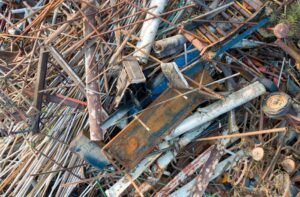
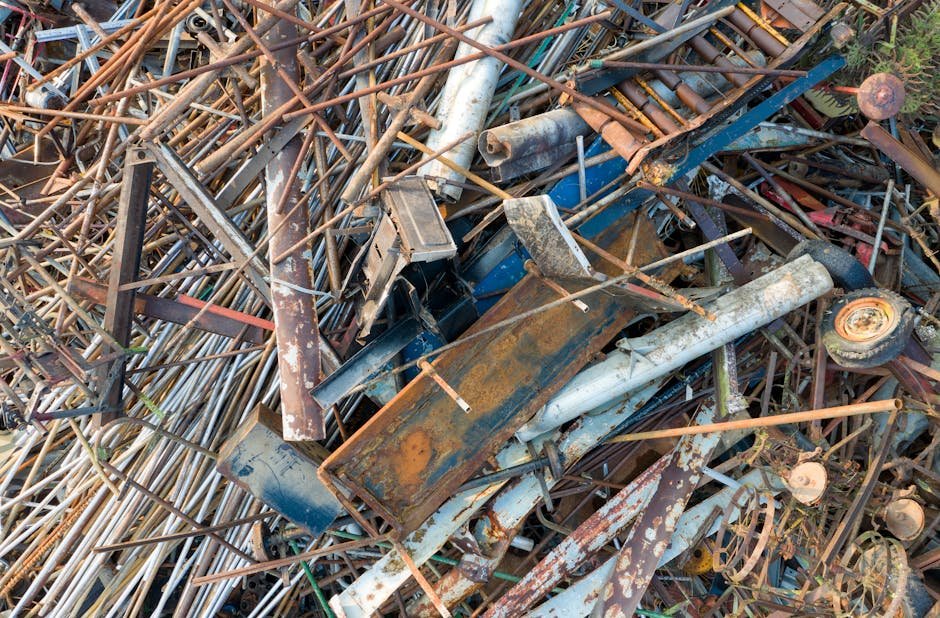
Scrap metal in Perth is categorized into two primary types: ferrous and non-ferrous metals. Ferrous metals contain iron and are magnetic, while non-ferrous metals are non-magnetic and include valuable alloys like copper, aluminum, and brass. Here’s a breakdown of the most common grades in Western Australia:
- Steel (Ferrous): Used in construction, automotive, and manufacturing, steel is the most recycled material globally. In Perth, steel scrap is often sourced from demolition projects, machinery, and structural components.
- Copper (Non-Ferrous): Highly conductive and durable, copper is valued for electrical wiring, plumbing, and industrial equipment. Scrap copper in Perth can fetch high prices due to its demand in renewable energy projects.
- Aluminum (Non-Ferrous): Lightweight and corrosion-resistant, aluminum is used in packaging, transportation, and construction. Recycling aluminum saves 95% of the energy required to produce new aluminum from raw materials.
- Brass (Non-Ferrous): A copper-zinc alloy, brass is common in plumbing fittings and decorative items. It’s recycled for use in musical instruments, electrical components, and industrial tools.
Proper sorting of these grades is essential for maximizing value. For example, mixing copper with steel can devalue the entire load. Reputable recycling companies in Perth, such as scraptrade.com.au, provide certified grading services to ensure accurate pricing.
The Scrap Metal Recycling Process in WA
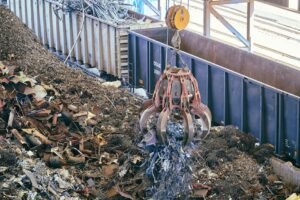
Recycling scrap metal in Western Australia involves several stages, from collection to repurposing. Here’s how the process works:
- Collection: Scrap metal is gathered from industrial facilities, construction sites, and residential properties. Services like scrap metal pick up perth offer convenient collection options for large volumes.
- Sorting and Grading: Materials are separated by type (ferrous/non-ferrous) and purity. Advanced technologies like X-ray fluorescence (XRF) scanners identify alloys and contaminants.
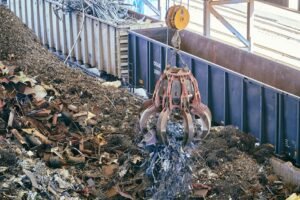
- Shredding/Shredding: Large items are broken down into manageable pieces using industrial shredders or shears. This increases efficiency during the melting process.
- Melting and Casting: Metal scraps are melted in furnaces and cast into ingots or other forms for reuse in manufacturing. Steel mills in Fremantle, for instance, use recycled scrap to produce new steel products.
- Reintegration: Recycled materials are sold to manufacturers for use in construction, electronics, and automotive industries. This reduces reliance on virgin ore extraction.
By streamlining this process, Western Australia’s recycling sector minimizes waste and energy consumption. For businesses, partnering with certified recyclers like scrap.trade ensures compliance with environmental regulations and maximizes returns.
Environmental Benefits of Scrap Metal Recycling
Recycling scrap metal Perth offers significant environmental advantages, making it a cornerstone of WA’s sustainability strategy:
- Reduces Mining Impact: Recycling decreases the need to extract raw materials, preserving natural habitats and reducing soil erosion.
- Lowers Energy Consumption: Producing aluminum from recycled scrap uses 95% less energy than from bauxite ore. Similarly, steel recycling saves 60% of the energy required for new production.
- Minimizes Greenhouse Gases: Recycling reduces CO2 emissions associated with mining, transporting, and processing raw materials. For every ton of steel recycled, 1.5 tons of CO2 emissions are avoided.
- Reduces Landfill Waste: Scrap metal takes up significant landfill space, but recycling diverts millions of tons from landfills annually in Perth alone.
For example, Fremantle’s scrap metal recycling initiatives have helped the region achieve a 70% landfill diversion rate. By choosing responsible recycling partners like Scrap Metal Recycling Near Me, individuals and businesses contribute to these environmental gains.
How to Sell Scrap Metal in Perth
Selling scrap metal in Perth is straightforward if you follow these steps to maximize value and efficiency:
- Assess Your Materials: Identify the grades and quantities of metal you have. Refer to scrap metal prices perth for current market rates.
- Prepare for Collection: Clean metals of contaminants like dirt or paint. Sorted, clean materials fetch higher prices. Consider scrap metal pick up perth for large volumes.
- Choose a Reputable Buyer: Verify the recycler’s credentials and pricing transparency. Platforms like Scrap Metal Prices provide real-time data for informed decisions.
- Stay Informed: Prices fluctuate based on global markets and supply chains. Track trends and sell during peak demand periods, such as infrastructure projects in the Perth metro area.
Pro Tip: Always request a certified weighbridge receipt when selling to ensure accurate payment. Scrap Metal Recycling Near Me offers a directory of licensed Perth recyclers.
Scrap Metal Prices in Perth: What to Expect
Scrap metal prices in Perth vary based on global market trends, supply and demand, and the grade of metal. Here’s a snapshot of typical pricing categories (as of early 2026):
| Metal Grade | Approx. Price per Ton (AUD) |
|---|---|
| Steel (Ferrous) | $200–$300 |
| Copper (Non-Ferrous) | $9,000–$12,000 |
| Aluminum (Non-Ferrous) | $2,500–$3,500 |
| Brass (Non-Ferrous) | $5,000–$7,000 |
Prices are updated regularly through platforms like Scrap Metal Prices, which also tracks historical trends. For the best returns, sell high-value metals like copper during construction booms or when global demand surges.
Choosing the Right Recycling Partner in WA
Partnering with the right recycler ensures compliance, transparency, and competitive payouts. Key factors to consider:
- Certifications: Look for ISO 14001 (environmental management) and RWMCA (Responsible Waste Management and Compliance Australia) accreditations.
- Local Expertise: Recyclers with experience in the Perth metro and Fremantle regions understand WA-specific regulations and logistics.
- Transparent Pricing: Avoid hidden fees and ensure prices match industry benchmarks. Scrap Metal Prices provides up-to-date market data.
- Convenience: Opt for services offering scrap metal pick up perth for large-volume sellers or drop-off facilities for smaller quantities.
For a seamless experience, explore scrap.trade, a platform connecting WA businesses and individuals with trusted recyclers. Their streamlined process simplifies everything from grading to payment.
Why Perth Leads in Sustainable Scrap Metal Recycling
Perth has emerged as a regional hub for sustainable metal recycling due to its strategic infrastructure and commitment to green initiatives. Key factors include:
- Government Incentives: WA’s Department of Water and Environmental Regulation promotes recycling through grants and tax benefits.
- Industrial Demand: The Perth metro’s construction and mining industries generate consistent scrap metal volumes, ensuring steady recycling activity.
- Community Engagement: Programs like Fremantle’s “Recycle Right” campaign educate residents on proper scrap sorting and disposal.
By leveraging these strengths, Perth continues to set a benchmark for sustainable resource management in Australia.
Related: Sell Scrap Metal Near Me In 2026
Frequently Asked Questions
What are the most common grades of scrap metal in Perth?
The most common grades include ferrous metals like steel and iron, as well as non-ferrous metals such as copper, aluminum, and brass. Ferrous metals are magnetic, while non-ferrous metals are not.
How does scrap metal recycling work in Western Australia?
Recycling involves collection, sorting, shredding, melting, and reintegration. Materials are processed at WA-based facilities, reducing reliance on raw material extraction and lowering carbon emissions.
What are the environmental benefits of recycling scrap metal?
Recycling conserves energy, reduces mining impact, minimizes landfill waste, and cuts greenhouse gas emissions. For example, recycling aluminum saves 95% of the energy needed to produce new aluminum.
How can I find current scrap metal prices in Perth?
Monitor platforms like Scrap Metal Prices for real-time updates. Prices vary by grade, purity, and global market demand.