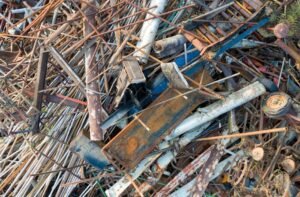

Arranging a scrap metal pick up Brisbane service is the most efficient and profitable way to dispose of your unwanted metal items, from old appliances and car parts to construction debris and commercial waste. For homeowners, builders, and businesses across Queensland, understanding the intricacies of this process—from the different grades of scrap metal to the remarkable environmental benefits of recycling—is key to participating in the circular economy responsibly. This comprehensive guide will delve into every aspect, providing you with the expert knowledge needed to navigate the world of scrap metal in Southeast Queensland.
Understanding the Different Grades of Scrap Metal
The first step in any successful scrap metal endeavour is identification. Not all metals are created equal, and their value and recycling processes differ significantly. Scrap metal is broadly categorised into two main types: ferrous and non-ferrous.
Ferrous Metals
Ferrous metals are alloys that contain iron, making them magnetic and susceptible to rust (corrosion). They are the most common type of scrap metal by volume but typically hold a lower value per kilogram than non-ferrous metals.
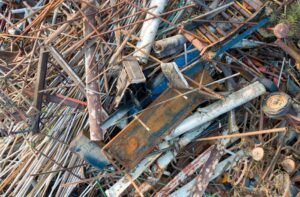
- Light Iron/Steel: This category includes thin, sheet-like metals. Common examples are white goods (refrigerators, washing machines), car bodies, and food tins. While abundant, it’s one of the lower-value grades.
- Heavy Iron/Steel: This refers to thick, heavy pieces of metal like structural beams, machinery parts, and heavy-duty piping. Its density often makes it more valuable than light iron by weight.
- Cast Iron: Recognisable by its gritty, crystalline appearance when broken, cast iron is used in engine blocks, old-fashioned bathtubs, and heavy pans. It is brittle and breaks easily, differentiating it from other ferrous metals.
Non-Ferrous Metals
Non-ferrous metals do not contain iron, are not magnetic, and are highly resistant to corrosion. These metals are far more valuable and are the primary target for those looking to Pick Up Scrap Metal For Cash Near Me. Accurate identification is crucial for maximising your return.
- Copper: The king of scrap metal, copper is highly conductive and sought-after. It comes in several grades:#1 copper (clean, uncoated wire), #2 copper (slight contamination), and copper piping or tubing. It has a distinctive reddish colour when clean.
- Aluminium: Lightweight and silvery-white, aluminium is found in window frames, car parts (alloys), soda cans, and fencing. Clean, extruded aluminium (like from window frames) is more valuable than painted or contaminated pieces.
- Brass: A yellow-coloured alloy of copper and zinc. Common sources include plumbing fixtures, door handles, keys, and ammunition casings.
- Stainless Steel: A ferrous alloy containing chromium, which makes it highly resistant to rust. It is non-magnetic or slightly magnetic. Found in kitchen appliances, sinks, and commercial equipment, it commands a higher price than regular steel.
- Lead: A very heavy, soft, grey metal used in roofing, weights, and old car batteries.
- Precious Metals:
While less common in bulk pickups, traces of gold, silver, and platinum can be found in electronic waste (e-waste) and certain automotive components like catalytic converters, which are highly valuable and require specialised Scrap Metal Recycling Near Me handling.
How Scrap Metal Recycling Works: From Pickup to New Product
The journey of your scrap metal from collection to becoming a new product is a fascinating and efficient industrial process. When you book a professional scrap metal pickup brisbane service, you are initiating this critical chain.
Step 1: Collection and Transportation
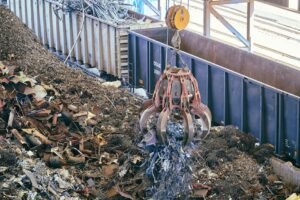
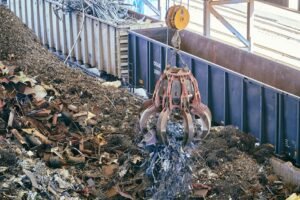
The process begins with the collection of your scrap. Reputable services across QLD will offer scheduled pickups for both residential and commercial clients. They arrive with the appropriate vehicles and equipment (like trucks with cranes or grabs for heavy items) to safely and efficiently load your metal. This service is ideal for those with large quantities or items too heavy to transport themselves, making it a cornerstone of our scrap metal collection brisbane offerings.
Step 2: Weighing and Sorting
Upon arrival at the recycling facility, the load is weighed to determine its total mass. It is then unloaded onto a tipping floor where the meticulous sorting process begins. Using a combination of manual labour, magnets (to separate ferrous from non-ferrous), advanced sensors, and visual inspection, workers separate the metal into its distinct grades. This is a critical step, as contamination (e.g., plastic attached to metal or different metals mixed together) can lower the value of the entire batch and complicate the melting process.
Step 3: Processing and Preparation
Once sorted, the metals are processed to prepare them for melting. This typically involves:
- Shearing: Hydraulic machinery is used to cut oversized, heavy pieces of metal (like steel beams) into smaller, more manageable sizes.
- Baling/Compacting: Lighter gauge metals, like aluminium cans or sheet steel, are compressed into large, dense blocks called bales. This makes them easier to handle and transport to smelters.
- Shredding: Items like cars are fed into powerful shredders that tear them into small, fist-sized pieces. These pieces are then further separated using magnets and air classifiers.
Step 4: Melting and Purification
The processed scrap is transported to a smelter and charged into a large furnace. Each type of metal is melted in a dedicated furnace designed to reach the specific temperature required. The molten metal is then purified using various techniques, such as electrolysis or the addition of chemicals, to remove any impurities or contaminants. The purified molten metal is cast into ingots, bars, or slabs—these are the new raw materials for manufacturing.
Step 5: Manufacturing and Distribution
These newly formed ingots are sold to manufacturers who use them to produce brand new products. Recycled steel might become new construction beams, car parts, or food cans. Recycled aluminium might become new drink cans, window frames, or bicycle parts. Copper is often re-used in electrical wiring and plumbing materials. This closes the loop, creating a circular economy that is far less resource-intensive than mining virgin ore.
The Significant Environmental Benefits of Scrap Metal Recycling
Choosing to recycle your metal through a scrap metal pick up Brisbane service is one of the most impactful individual actions you can take for the environment. The benefits are profound and multi-faceted.
Conservation of Natural Resources and Energy Savings
Mining is an incredibly destructive and energy-intensive process. It involves clearing land, creating open-pit mines, and using heavy machinery to extract ore. Recycling metal drastically reduces the need for this. Consider these facts from industry leaders in Australian metal recycling:
- Recycling steel uses about 75% less energy than producing steel from raw materials.
- Recycling aluminium saves an astonishing 95% of the energy required to make the same amount of aluminium from bauxite ore.
- Recycling one tonne of steel conserves 1,100 kilograms of iron ore, 630 kilograms of coal, and 55 kilograms of limestone.
Reduction in Landfill Waste and Greenhouse Gas Emissions
Metal is permanent; it does not decompose in a landfill. Diverting metal waste from landfill saves enormous amounts of space and prevents soil and water contamination from metals leaching over time. Furthermore, the massive energy savings directly translate to a massive reduction in greenhouse gas emissions. The reduced need for mining, transporting, and processing virgin ore means far less fossil fuel is burned, directly combating climate change.
Protection of Ecosystems and Water Resources
Mining operations have a devastating impact on local ecosystems, leading to habitat destruction, soil erosion, and contamination of waterways with toxic byproducts. By creating a steady supply of raw materials through recycling, we reduce the demand for new mines, thereby protecting natural landscapes and biodiversity across Australia and the globe. It also significantly reduces the water usage associated with traditional metal production.
Practical Tips for Preparing Your Scrap for Pickup in Brisbane
To ensure a smooth, efficient, and profitable pickup experience, proper preparation is key. Following these tips will help you get the best value and make the process easier for the collection team.
- Sort and Separate: The most important step. Use a magnet to separate ferrous (magnetic) from non-ferrous (non-magnetic) metals. Further separate your non-ferrous metals by type: copper, aluminium, brass, etc. Clean, well-sorted metal fetches a much higher price.
- Clean Your Metal: Remove any non-metal attachments. Take plastic off copper wire, rubber hoses off brass fittings, and glass from aluminium frames. The purer the metal, the more it’s worth.
- Ensure Safe Access: Before the truck arrives, make sure the scrap pile is easily accessible. Clear any obstacles and ensure gates are open. If the scrap is in your backyard, ensure the path is clear of trip hazards.
- Know What’s Accepted: Most services accept a wide range of metals, but some may have restrictions on certain items, particularly those containing hazardous materials like refrigerants (from fridges and air conditioners) or fuels. Always confirm when booking your Sell Scrap Metal Near Me In 2026 pickup.
- Stay Informed on Pricing: Scrap metal prices are volatile and change daily based on global commodity markets. A reputable company will be transparent about their current rates.
Why Choose a Professional Scrap Metal Pickup Service?
While you could attempt to haul scrap yourself, there are compelling reasons to use a professional scrap metal pick up Brisbane service, especially one integrated with a platform like Scrap.Trade.
- Convenience and Efficiency: They handle all the heavy lifting, loading, and transportation. This saves you significant time, effort, and the cost of hiring a trailer or truck.
- Safety: Handling large, sharp, and heavy metal objects carries inherent risks. Professional teams are trained and equipped with the right tools (gloves, magnets, machinery) to do the job safely.
- Expert Sorting and Maximised Value: Professionals can accurately identify and sort all metal grades, ensuring you get the maximum possible payout for your materials. They know the market and can spot valuable items you might overlook.
- Environmental Compliance: A licensed and reputable recycler will process all materials in an environmentally responsible manner, ensuring hazardous components are dealt with correctly and all metal is diverted from landfill.
- Service for All Clients: Whether you’re a homeowner in The Gap clearing out the shed, a demolition contractor in Bowen Hills, or a manufacturing business in Yatala, professional pickup services can scale to handle any volume of scrap.
Scrap Metal Recycling Across Southeast Queensland
The principles and benefits of metal recycling extend far beyond the Brisbane city limits. The growing urban centres of the Gold Coast and Sunshine Coast are major generators of scrap metal from construction, tourism, and residential sources. The same robust network of professional collection services and advanced recycling facilities serves the entire region, ensuring that the environmental and economic benefits are felt throughout Southeast Queensland. This regional infrastructure is vital for managing the waste stream of one of Australia’s fastest-growing corridors sustainably.
Conclusion: Your Role in Brisbane’s Circular Economy
Arranging a scrap metal pick up is more than just a convenient way to get rid of junk; it is an active participation in a sustainable, circular economy. By understanding the grades of metal, the detailed process of recycling, and the monumental environmental benefits, you are empowered to make a significant positive impact. Every old water heater, bundle of wiring, or pile of aluminium cans that you divert from landfill helps conserve Australia’s natural resources, save energy, and protect our unique environment for future generations. So, sort your scrap, book a professional pickup, and take pride in turning your trash into a valuable treasure for the planet.
Frequently Asked Questions
What types of scrap metal can be picked up in Brisbane?
Professional services in Brisbane will pick up a wide range of ferrous and non-ferrous metals. This includes common household items like whitegoods (fridges, washing machines), air conditioners, car parts, copper wiring, aluminium windows and framing, brass fittings, and stainless steel. They also handle commercial and construction waste like steel beams, piping, and machinery.
How do I get paid for my scrap metal during a pickup?
Reputable scrap metal pickup services will weigh your sorted and cleaned metal on certified industrial scales at their facility. Payment is based on the weight and the current market rate for each specific metal grade. You typically receive payment via cash or electronic transfer soon after the load is processed and weighed.
Is there a minimum amount required to book a scrap metal pickup?
Policies vary between services. Some companies offer free pickup for loads above a certain weight or volume threshold (e.g., a ute load or more). For smaller amounts, there might be a fee or you may be encouraged to use a drop-off service. It’s always best to inquire directly when booking.
How should I prepare my scrap metal before a scheduled pickup?
For the best value and efficiency, sort your metals into different types (e.g., separate copper, aluminium, and steel). Remove any non-metal attachments like plastic, rubber, glass, or wood. Ensure the scrap is in an easily accessible location for the truck and team. Cleaning metals can also increase their value.