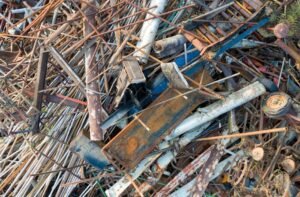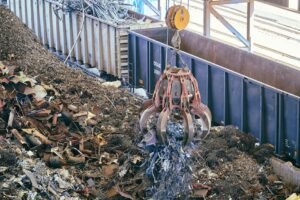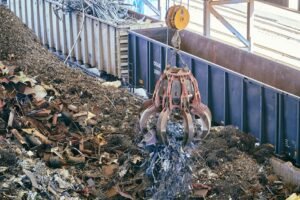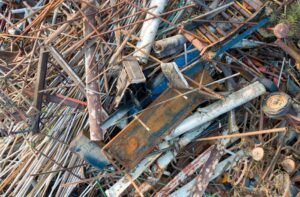

Scrap metal recycling is an essential practice in Australia, where recycling rates are high and waste management is a top priority. One of the key areas in this process is the scrap metal pile, which is a collection of various metal materials that can be recycled, sold, or repurposed. This pile is an accumulation of metals that are discarded from various sources, including construction sites, factories, and households.
When it comes to setting up a scrap metal pile, safety should be the top priority. This involves wearing protective gear such as gloves, safety glasses, and a face mask when handling large or heavy metal objects. It’s also crucial to ensure that the pile is stored in a well-ventilated and dry area to prevent rust and corrosion. Additionally, a designated area for sorting and categorizing metals should be allocated to facilitate easy identification and processing.
Scrap metal piles can be divided into several categories, including ferrous metals like iron and steel, non-ferrous metals such as copper, aluminum, and brass, and other metals like lead, zinc, and tin. A thorough understanding of these different types and their respective recycling processes is crucial for maximizing their value. This can be achieved by consulting websites such as https://scrap.trade, which provides a comprehensive guide to the scrap metal industry, including pricing, market trends, and regulations.
Apart from the economic benefits of scrap metal recycling, it also has significant environmental implications. By reprocessing metal waste, we can conserve natural resources, reduce landfill waste, and decrease greenhouse gas emissions. This practice also supports the development of sustainable infrastructure and construction projects, as recycled metals can be used as raw materials for manufacturing new products.
In conclusion, managing a scrap metal pile requires careful planning, attention to safety, and a thorough understanding of the different types of metals and their recycling processes. By following best practices and utilizing resources such as https://scrap.trade, individuals and businesses can effectively contribute to the scrap metal recycling industry in Australia and support a more sustainable future.
FAQs:
Q: What is the best way to sort and categorize metals in a scrap metal pile?
A: Separate metals into distinct categories such as ferrous, non-ferrous, and other metals to facilitate easy identification and processing.
Q: How can I determine the value of my scrap metal?
A: Consult websites such as https://scrap.trade for current market prices and rates in your area.
Q: What precautions should I take when handling heavy or large metal objects in a scrap metal pile?
A: Wear protective gear such as gloves, safety glasses, and a face mask to prevent injury and ensure personal safety.