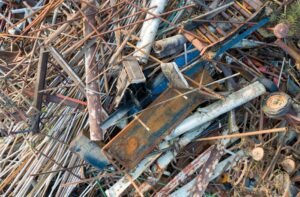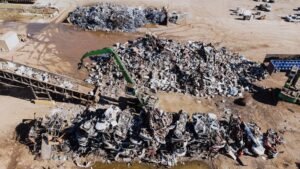

The term scrap metal Port Melbourne refers to both the geographic concentration of metal recycling activity in the Port Melbourne industrial precinct and the broader network of scrapyards, processors, and exporters operating across Victoria. As one of Australia’s most active urban recycling zones, Port Melbourne plays a central role in managing the flow of recyclable metals from inner suburbs, outer suburbs, and Southeast Melbourne into domestic and international supply chains. This comprehensive guide explores the grades of scrap metal processed in the area, how the recycling system operates, its environmental advantages, and how residents and businesses can participate effectively — including where to access the latest scrap metal prices and recycling facilities.
Understanding Scrap Metal Grades in Port Melbourne
One of the most critical aspects of the scrap metal Port Melbourne ecosystem is the classification of scrap into distinct grades. Accurate sorting ensures maximum efficiency in processing, compliance with export standards, and fair market pricing. The Australian Institute of Metal Recycling (AIMR) sets national benchmarks, but individual yards in Port Melbourne and across Victoria may have nuanced specifications based on their equipment and customer requirements.
Scrap metals are broadly divided into two categories: ferrous and non-ferrous. Ferrous metals contain iron and are magnetic, while non-ferrous metals do not contain iron and are generally more valuable due to their corrosion resistance and recyclability without quality loss.
Ferrous Scrap Grades
Ferrous metals make up the bulk of what is processed in the scrap metal Port Melbourne facilities. These are primarily used in steel production and include:
- Heavy Melting Steel (HMS 1 & 2): Clean, thick sections of steel or iron, typically over 6mm in thickness. HMS 1 is free of galvanizing, copper, or stainless steel, while HMS 2 allows small amounts of residual elements.
- Shredded Steel: Processed through industrial shredders, this grade consists of compacted fragments from end-of-life vehicles, appliances, and machinery. It’s a staple export from Port Melbourne to electric arc furnace (EAF) steel mills in Asia.
- Turnings and Borings: Fine steel waste from machining operations. Must be free of coolant and tramp materials to avoid contamination.
- Plate and Structural: Thick-cut steel beams, plates, and channels from demolition or industrial decommissioning.
These ferrous grades are highly sought after by steel manufacturers because they reduce the need for virgin iron ore, directly lowering carbon emissions and energy use in steelmaking. Facilities in Port Melbourne work closely with transport and logistics partners to ensure these materials meet size, density, and purity standards before export.
Non-Ferrous Scrap Grades
Non-ferrous metals are more valuable per kilogram and are a major revenue driver for recyclers across scrap metal Port Melbourne. Due to their high conductivity and resistance to rust, they are essential in electronics, aerospace, and construction industries.
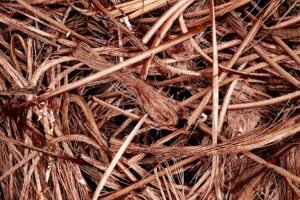
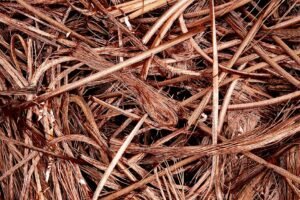
- Copper (Bare Bright, #1, #2): Bare bright is clean, uncoated copper wire; #1 includes slightly tarnished copper; #2 allows for some solder or minor contamination. Copper prices fluctuate based on global demand, with Port Melbourne yards offering competitive rates.
- Aluminium (Clean, Mixed, Cast): Clean aluminium (e.g., window frames, extrusions) fetches the highest price. Mixed includes contaminated or painted aluminium, while cast aluminium (from engine blocks) is priced separately.
- Stainless Steel (304, 316, 430): Austenitic grades like 304 (kitchen sinks) and 316 (marine-grade) are most common. Magnetic 430 is less valuable. Sorting is done via spark testing or handheld XRF analysers.
- Brass and Lead: Brass (often from plumbing fixtures) is graded by zinc content. Lead is primarily sourced from batteries and requires special handling due to toxicity.
Accurate identification of non-ferrous grades is essential for maximising returns. Many scrap metal recycling near me facilities in Port Melbourne and across Victoria offer on-site testing to ensure correct categorisation.
How Scrap Metal Recycling Works in Port Melbourne
The recycling process in the scrap metal Port Melbourne zone follows a highly coordinated industrial workflow, from collection to final shipment. This system supports both local businesses and the broader Australian circular economy.
Step 1: Collection and Delivery
Scrap metal enters the system through multiple channels: household drop-offs, trade-in programs, commercial demolition, and industrial waste streams. Residents from Melbourne metro, including inner suburbs like South Yarra and outer suburbs such as Dandenong, often deliver materials to licensed yards. Larger operations may arrange for bulk pickups.
Many recyclers in Port Melbourne accept drop-offs during business hours, with some offering weighbridge services to provide accurate tonnage records. For those seeking convenience, services like Sell Scrap Metal Near Me In 2026 provide updated listings of nearby facilities, accepted materials, and current buy-back rates.
Step 2: Sorting and Grading
Upon arrival, scrap is sorted using a combination of manual inspection, magnetic separation, eddy current systems, and spectroscopy. Ferrous metals are pulled out via overhead magnets, while eddy current separators repel non-ferrous metals like aluminium.
Skilled operators visually inspect loads and segregate materials by grade. For example, copper wire is separated from insulated cables, and stainless steel is isolated from mixed metal loads. This precision ensures that final products meet the specifications required by smelters and foundries.
Step 3: Processing and Shredding
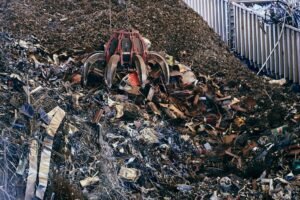
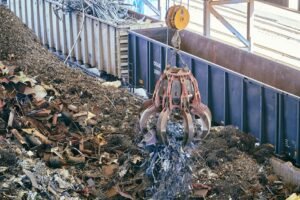
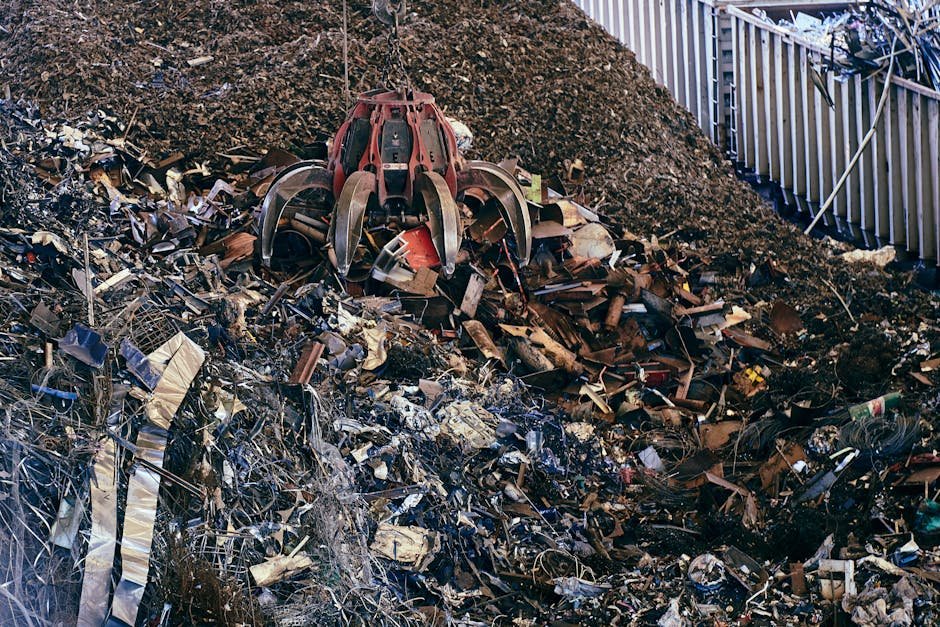
After sorting, ferrous scrap is often fed into industrial shredders — massive rotating hammers that reduce cars, appliances, and structural steel into fist-sized pieces. The shredded material is then passed through air classifiers and magnetic drums to remove plastics, rubber, and non-metallic residues.
Non-ferrous metals may undergo shearing, baling, or granulation depending on the end use. Copper wire, for instance, is often stripped of insulation using granulators that separate metal from plastic sheathing.
Step 4: Weighing and Payment
All processed material is weighed on certified scales. Payment is based on the net weight and the prevailing market rate for each grade. Transparency is critical, and reputable yards in Port Melbourne provide detailed docket reports showing weight, grade, and price per kilogram.
For real-time updates on what your scrap is worth, checking scrap metal prices melbourne helps ensure you’re receiving fair value. Prices are influenced by global commodities markets, particularly the London Metal Exchange (LME), and can vary daily.
Step 5: Export and Reintegration
Processed scrap from scrap metal Port Melbourne is typically shipped to domestic steel mills or exported via the Port of Melbourne to Asia, the Middle East, and Europe. Australia exports over 3 million tonnes of scrap metal annually, with Victoria contributing a significant share.
Once overseas, the metal is melted in electric arc furnaces or basic oxygen furnaces to produce new steel, aluminium ingots, or copper rods. This closed-loop system reduces reliance on mining and lowers the carbon footprint of metal production.
Environmental Benefits of Scrap Metal Recycling
The environmental impact of recycling scrap metal through scrap metal Port Melbourne facilities is profound and multi-faceted. Metal recycling is one of the most effective sustainability initiatives available today, with measurable reductions in greenhouse gas emissions, energy consumption, and landfill use.
Energy Savings and Carbon Emission Reduction
Recycling metals saves substantial energy compared to primary production. For example:
- Recycling steel saves up to 74% of the energy required to produce new steel from iron ore.
- Recycling aluminium saves 95% of the energy needed to refine bauxite into aluminium.
- Copper recycling uses only 15% of the energy required for virgin copper extraction.
These energy savings translate into significant carbon emission reductions. According to the Australian Bureau of Statistics, recycling one tonne of steel prevents 1.5 tonnes of CO₂ emissions. With Port Melbourne processing thousands of tonnes annually, the cumulative impact is substantial.
Conservation of Natural Resources
Metal recycling reduces the need for destructive mining operations. Australia is a major exporter of iron ore and bauxite, but domestic recycling helps preserve these finite resources for future generations. By reprocessing scrap in Victoria, we extend the life cycle of materials already extracted, reducing environmental degradation from mining, deforestation, and habitat loss.
Landfill Diversion
Metals are non-biodegradable and can leach harmful substances when buried in landfills. In Melbourne metro alone, landfill diversion of metal waste prevents contamination of soil and groundwater. The Victorian Government’s Waste and Resource Recovery Strategy targets a 75% resource recovery rate by 2030, with scrap metal recycling playing a central role.
Facilities in Southeast Melbourne and the inner suburbs are increasingly adopting zero-waste-to-landfill policies, ensuring that even mixed scrap loads are fully recovered through advanced separation technologies.
Where to Recycle Scrap Metal in Port Melbourne and Victoria
If you’re located in or near Port Melbourne, several licensed and accredited recycling yards offer competitive rates and professional service. These facilities support both individual drop-offs and commercial contracts.
Some of the top-rated options include:
- ABC Recycling – Port Melbourne: Offers full sorting, weighbridge services, and daily pricing updates. Accepts all ferrous and non-ferrous grades.
- Metalcorp Victoria: A major player in the national recycling network with a Port Melbourne transfer station. Specialises in industrial and demolition scrap.
- SKS Recycling: Known for transparent pricing and fast payment. Offers pickup services for large volumes.
For those in the outer suburbs or Southeast Melbourne, it’s worth comparing local options. The scrap metal melbourne bayswater facility, for example, provides accessible recycling services with competitive rates and full compliance with EPA Victoria regulations.
No matter your location in Victoria, using a licensed recycler ensures environmental compliance and fair payment. Always ask for proof of licensing and request a detailed docket after your drop-off.
Maximising Your Returns: Tips for Selling Scrap Metal
To get the best value from your scrap, follow these expert-recommended practices:
- Sort Before You Sell: Separate ferrous and non-ferrous metals at home. Remove contaminants like plastic, rubber, or wood. Clean copper wire sells for significantly more than insulated or dirty wire.
- Know the Current Prices: Check scrap metal prices daily. Rates change based on global markets, so timing your sale can impact your return.
- Bring Proper Identification: Most yards in Port Melbourne require photo ID and proof of address to comply with anti-theft regulations under the Victorian Metal Recycling Act 2012.
- Accumulate Larger Loads: Transport costs can eat into profits. Wait until you have a substantial volume — a trailer-load or pallet of copper — to maximise per-kilo returns.
- Use Reputable Yards: Choose facilities with positive reviews, clear signage, and transparent weighing practices. Avoid cash-only operations that don’t issue receipts.
For businesses in Melbourne metro, consider setting up a regular recycling schedule with a licensed provider. This improves site safety, reduces waste management costs, and supports corporate sustainability goals.
The Role of Technology and Regulation in Modern Scrap Recycling
The scrap metal Port Melbourne industry is evolving rapidly due to technological innovation and tightening environmental regulations. These changes are improving efficiency, traceability, and compliance across the supply chain.
Technology Advancements
Modern scrapyards use advanced tools such as:
- Handheld XRF Analysers: Instantly identify metal alloys, ensuring accurate grading of stainless steel and high-value copper alloys.
- AI-Powered Sorting Systems: Cameras and machine learning algorithms detect and separate materials on conveyor belts, increasing throughput and purity.
- Digital Weighbridge Integration: Real-time data syncing with customer accounts and invoice generation.
These technologies are particularly prevalent in larger operations serving Southeast Melbourne and industrial clients across Victoria.
Regulatory Framework
Scrap metal recycling in Port Melbourne is governed by multiple layers of regulation:
- EPA Victoria: Enforces environmental standards for noise, dust, runoff, and waste management.
- Victorian Metal Recycling Act 2012: Requires all recyclers to verify seller identity and maintain transaction records to combat metal theft.
- Australian Standards (AS 5037): Defines specifications for scrap metal grades to ensure consistency in domestic and export markets.
Compliance is not optional — licensed yards undergo regular audits. Consumers benefit from greater transparency and security when selling their scrap.
Conclusion: The Future of Scrap Metal Recycling in Victoria
The scrap metal Port Melbourne network is a cornerstone of Victoria’s circular economy, providing environmental, economic, and industrial benefits. From the inner suburbs to the outer reaches of Southeast Melbourne, residents and businesses can play a vital role in sustainability by responsibly recycling their metal waste.
By understanding the grades of scrap, the recycling process, and how to maximise returns, you can contribute to a cleaner planet while earning fair market value for your materials. Whether you’re dropping off old copper wiring or clearing industrial demolition debris, the infrastructure and expertise are in place to support you.
To stay informed, visit Australia’s leading scrap metal trading platform for tools, price tracking, and facility directories. For industry insights and policy updates, explore the latest news from ScrapTrade Australia.
As demand for recycled metals grows globally, the importance of efficient, ethical, and scalable recycling systems in Victoria will only increase. The scrap metal Port Melbourne ecosystem is well-positioned to lead this transformation — one tonne at a time.
Frequently Asked Questions
What types of scrap metal can I recycle in Port Melbourne?
You can recycle both ferrous metals (like steel and iron) and non-ferrous metals (such as copper, aluminium, and stainless steel) at licensed facilities in Port Melbourne. Most yards accept household, industrial, and demolition scrap, provided it’s properly sorted and free of hazardous materials.
How are scrap metal prices determined in Victoria?
Scrap metal prices in Victoria are based on global commodity markets, particularly the London Metal Exchange, and fluctuate daily. Local factors like transport costs, processing capacity, and demand from domestic mills also influence buy-back rates at scrap metal prices locations.
Do I need ID to sell scrap metal in Port Melbourne?
Yes, under the Victorian Metal Recycling Act 2012, all sellers must provide valid photo ID and proof of address when selling scrap metal. This helps prevent metal theft and ensures compliance across all scrap metal recycling near me facilities.
Is recycling scrap metal environmentally beneficial?
Absolutely. Recycling scrap metal reduces energy consumption, cuts greenhouse gas emissions, conserves natural resources, and diverts waste from landfills. For example, recycling aluminium saves up to 95% of the energy required to produce new metal from raw ore.