
Understanding the scrap metal price Sydney market offers is crucial for anyone looking to turn unwanted metal into cash or contribute to a more sustainable economy. This comprehensive guide will demystify the current market value per kilogram, explain the complex factors that determine your payout, and detail the different grades of scrap. We will also walk you through the recycling process from collection to smelting and highlight the significant environmental benefits of choosing to recycle. Whether you’re a tradesman with regular off-cuts or a homeowner clearing out the garage, this authoritative resource provides the knowledge you need to navigate the scrap metal industry in NSW and Greater Sydney with confidence.
The Sydney Scrap Metal Market: An Overview
The scrap metal industry is a dynamic and vital part of both the local Sydney and global economies. It operates as a sophisticated commodities market, where prices are influenced by a myriad of international and domestic factors. For sellers in New South Wales, this means the value of their scrap is intrinsically linked to demand from manufacturing powerhouses like China and India, as well as local construction and industrial activity. The market is broadly divided into two categories: ferrous metals (containing iron, like steel) and non-ferrous metals (everything else, like copper, aluminium, and brass). Non-ferrous metals typically command a significantly higher price per kg due to their corrosion resistance and greater value in the manufacturing supply chain. Understanding this global-local connection is the first step to comprehending the current scrap prices you are quoted.
Current Scrap Metal Prices in Sydney (Per Kg & Per Tonne)
Disclaimer: Scrap metal prices are highly volatile and change daily based on global market movements. The figures below are estimated ranges to provide a general idea of value and are not guaranteed. Always confirm the metal prices today with your chosen recycler. Prices are typically quoted as a price per kg for smaller quantities, but larger commercial loads are often weighed and traded based on a price per tonne.
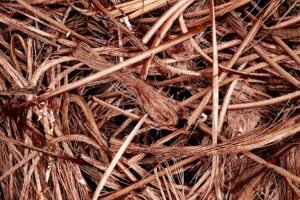
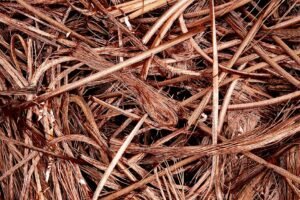
- Copper: The king of scrap metal. Clean, bright copper wire (Bare Bright) fetches the highest price, typically between $8.00 and $10.50 per kg. Clean copper tubing and sheet fall slightly lower, in the $7.00 – $8.50 range.
- Aluminium: Commonly found in gutters, window frames, and cans. Clean, painted-free extrusion can get $1.80 – $2.50/kg. Heavier cast aluminium (from engines) is usually $1.20 – $1.80/kg.
- Brass: Often found in plumbing fixtures, taps, and keys. Yellow brass generally commands $4.00 – $6.00 per kg.
- Stainless Steel: A valuable ferrous metal. For a precise and detailed breakdown of the different grades, our dedicated guide on the Stainless Steel Scrap Price is an essential resource.
- Lead: Typically from batteries or roofing materials, lead can fetch $1.00 – $2.00/kg.
- Steel & Iron: The most common scrap but has the lowest value, usually priced at $0.15 – $0.40 per kg. Due to its weight, it’s often traded by the tonne.
For a broader look at bulk pricing, you can explore our article on the general scrap metal price per tonne. To get the most accurate valuation for your specific materials, especially if you are located in the western suburbs, checking a resource for scrap metal price west sydney yards can be very helpful, as some yards may specialise in certain materials.
How Are Scrap Metal Prices Set?
The price you receive for your scrap metal is not arbitrarily chosen by the local yard; it is the end result of a complex global pricing chain. The primary benchmark is the London Metal Exchange (LME), which sets daily market rates for non-ferrous metals like copper, aluminium, and nickel. Sydney scrap yards base their offered rates on these international prices, minus their costs for processing, handling, transportation, and a marginal profit. The local market competition also plays a role; yards in high-density areas may compete more aggressively for material. Furthermore, the domestic demand from Australian foundries and manufacturers can create regional premiums for specific metals. Ultimately, the yard’s offered price is their estimate of what they can sell the processed, baled metal for to a smelter or mill, minus their operational overhead.
Key Factors Affecting Your Scrap Metal Payout
When you take your metal to a yard, several critical factors will be assessed to determine your final payout. Understanding these will help you prepare your scrap to maximise its value.
- Metal Type and Grade: This is the most significant factor. A kilogram of copper is always worth more than a kilogram of steel. Furthermore, within each metal type, there are grades. Dirty copper with solder or paint will be graded lower than clean, bare bright copper.
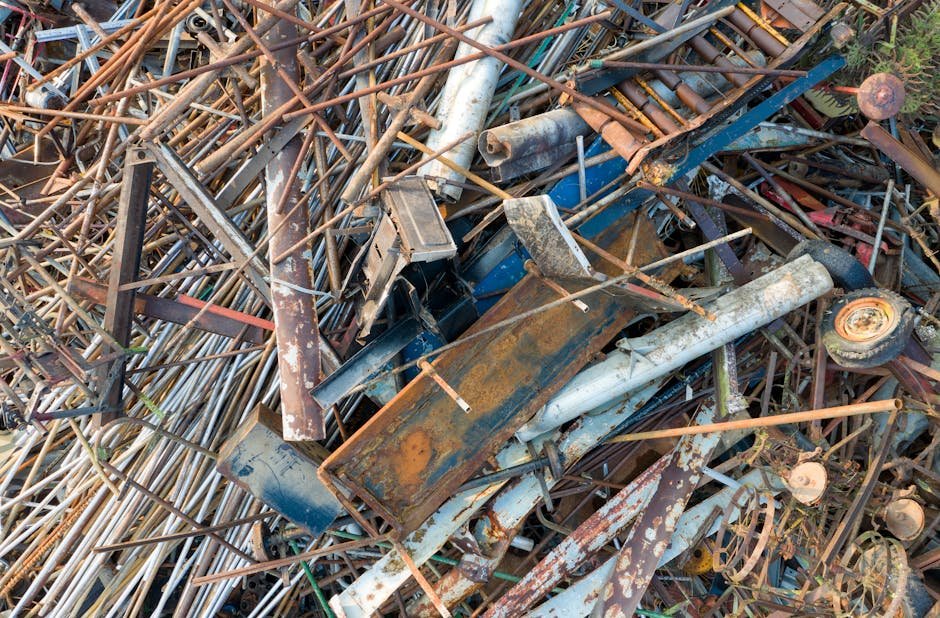
- Purity and Contamination: Contamination is the enemy of value. Mixing different metals, leaving plastic insulation on wire, or having rubber attached to metal will downgrade the entire load. The cleaner and more sorted your metal is, the closer you will get to the top market rate.
- Weight and Volume: Volume matters. A small bucket of brass might get a standard rate, but a truckload of the same clean material might command a slightly higher price due to the efficiency it offers the yard.
- Global Market Conditions: As discussed, economic health, industrial production rates in Asia, geopolitical events, and currency exchange rates (AUD vs USD) all cause daily fluctuations. A strong Australian dollar can suppress local scrap prices.
- Local Demand and Supply: A major construction project in Greater Sydney might temporarily increase demand for recycled steel, pushing prices up. Conversely, an oversupply of a particular metal from demolition sites can temporarily depress local prices.
Common Grades of Scrap Metal
Sorting your scrap isn’t just helpful—it’s financially rewarding. Yards classify metals into grades based on their purity and form. Knowing these grades helps you understand the price differences.
- Copper Grades: Bare Bright Copper (highest grade, uncoated, unalloyed wire), #1 Copper (clean tubing/sheet), #2 Copper (painted or soldered copper), Light Copper (thin, contaminated sheet).
- Aluminium Grades: Extrusion (clean from window/door frames), Cast (from engine parts), Old Sheet (from siding/gutters), Cans (compressed).
- Brass Grades: Clean Brass (plumbing fixtures with no steel valves or contaminants), Dirty Brass (mixed with other materials).
- Steel Grades: Prepared #1 Steel (clean, thick sections), #2 Steel (lighter gauge material, may be painted), Cast Iron (bathtubs, engine blocks), Auto Cast (lighter iron from cars).
Taking the time to separate your metals into these distinct categories will ensure you are paid accurately for each type and avoid having your entire load downgraded to the lowest value material in the mix.
The Scrap Metal Recycling Process: From Collection to New Product
Once you sell your scrap, it embarks on an impressive journey of transformation. The process is a testament to modern engineering and efficiency.
- Collection and Weighing: You bring your scrap to a yard like Scrap Trade, where it is weighed on a certified scale, and you are paid based on the weight and agreed-upon price.
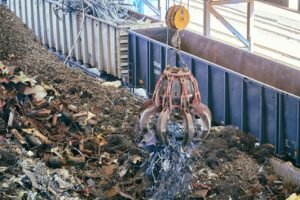
- Sorting and Processing: Yard workers further sort the materials by type and grade. Large items are sheared or shredded. Metals like copper wire are fed into granulators that strip the insulation away.
- Baling and Shipping: Once sorted and processed, the metal is compacted into large, dense bales for efficient transportation. These bales are shipped to domestic or international mills and foundries.
- Smelting and Purification: At the mill, the scrap metal is melted in enormous furnaces. During this smelting process, impurities are burned off or skimmed from the molten metal.
- Formation of New Products: The purified molten metal is cast into ingots, slabs, or billets. These raw forms are then sold to manufacturers who roll, draw, or mould them into entirely new products, from new aluminium cans to copper wiring for construction projects, completing the circular economy loop.
Environmental and Economic Benefits of Scrap Recycling
Choosing to sell your scrap metal is not just a financial decision; it’s an environmentally responsible one. The benefits are profound and multi-faceted.
- Conservation of Natural Resources: Recycling metal drastically reduces the need for virgin ore mining. Mining is environmentally destructive, involving massive land excavation, habitat destruction, and high water and energy consumption.
- Massive Energy Savings: Manufacturing products from recycled scrap metal uses a fraction of the energy required to produce them from raw materials. For example, recycling aluminium saves up to 95% of the energy needed to make new aluminium from bauxite ore.
- Reduction in Landfill Waste: Metal is permanent; it does not decompose in landfills. Recycling keeps this valuable material in use and out of already overburdened waste management systems.
- Lower Greenhouse Gas Emissions: The significant energy savings directly translate to a massive reduction in greenhouse gas emissions, including carbon dioxide, which is a major contributor to climate change.
- Economic Stimulus: The recycling industry creates jobs in collection, transportation, processing, and manufacturing. It supports a robust domestic supply chain and contributes significantly to the Australian economy.
Practical Tips for Getting the Best Scrap Metal Price in Sydney
Maximising your return requires a little preparation and knowledge. Here’s how to ensure you get the best possible deal.
- Sort and Clean Your Metal: This is the single most effective way to increase your payout. Separate different metals and remove any attachments like plastic, rubber, glass, or other contaminants. A magnet is a cheap and invaluable tool for separating ferrous ( magnetic) from non-ferrous metals.
- Know What You Have: Before you go, try to identify your metals. This prevents you from accidentally selling a more valuable metal (like copper) at a lower price (like brass).
- Shop Around: Prices can vary between yards. Call a few different recyclers in your area, such as those listed in our guide to Sell Scrap Metal Near Me In 2026, to get quotes. Mention the type and approximate weight of your load for the most accurate quote.
- Consider Volume: If you only have a small amount, it might be worth storing it until you have a larger, more valuable load that is worth the trip to the yard.
- Stay Informed: Understand that prices change. If you have flexibility, you can try to time your sale. Our Scrap Price Forecast Guide can help you understand the market trends that drive these changes.
- Build a Relationship: If you are a frequent seller, building a relationship with a reputable yard like Scrap Trade can be beneficial. They may offer you better rates for consistent, clean material.
Conclusion: Turning Scrap into Value and Sustainability
Navigating the scrap metal price Sydney landscape is about understanding a dynamic global market and the intrinsic value of the materials you possess. By familiarising yourself with the different metal types, grades, and the factors that influence price, you empower yourself to become a savvy seller. More importantly, your decision to recycle contributes to a circular economy that conserves precious natural resources, saves energy, and protects our environment for future generations. Whether you’re looking for a one-off cash payment or are managing waste from an ongoing business, the scrap metal industry in Sydney provides a viable and responsible solution. Remember, the key to maximising your return lies in preparation: sort, clean, and research the current market value before you head to your local scrap yard.
Frequently Asked Questions
What is the best way to get an accurate scrap metal price in Sydney?
The best way to get an accurate price is to call your local scrap yard directly. Prices change daily based on the London Metal Exchange. Describe your metal type, grade, and approximate weight over the phone for the most current quote before you visit.
Why does the price for scrap metal change so frequently?
Scrap metal prices are tied to global commodities markets, primarily the London Metal Exchange (LME). Prices fluctuate daily due to changes in international supply and demand, economic conditions in manufacturing countries like China, geopolitical events, and the value of the Australian dollar against the US dollar.
Do I need to separate my scrap metal before taking it to a yard?
Yes, absolutely. Separating your metals by type (copper, aluminium, brass, etc.) and ensuring they are free of contaminants like plastic, rubber, or other metals is crucial. Clean, well-sorted scrap will always fetch a significantly higher price per kilogram than a mixed, contaminated load.
What is the most valuable scrap metal I can find?
Copper is consistently the most valuable common scrap metal due to its high conductivity and demand in electrical applications. Specifically, ‘Bare Bright’ copper wire—clean, uncoated, and unalloyed—commands the highest price per kilogram, often followed by clean copper tubing and brass fittings.