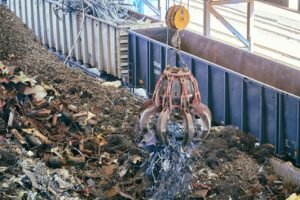
Scrap metal price West Sydney remains a dynamic market influenced by global commodity trends, local recycling infrastructure, and environmental policies. Whether you’re a scrap dealer, manufacturer, or household seller, understanding current rates and market mechanics is essential for maximizing returns. This guide breaks down the latest prices per kg, pricing determinants, recycling processes, and sustainability benefits tailored to Greater Sydney in 2024.
Current Market Value Per kg in West Sydney
As of Q3 2024, scrap metal prices in Western Sydney vary significantly by grade and market conditions. Ferrous metals like steel and iron typically trade between $0.15-$0.35/kg, while non-ferrous metals such as copper, aluminum, and brass command higher rates ranging from $1.50-$5.00/kg. For example, light steel scrap from appliances fetches around $0.25-$0.40/kg due to its high demand in manufacturing.
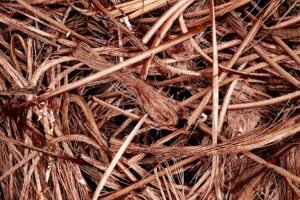
The price of lead has seen fluctuations due to increased demand in battery recycling, currently averaging $4.20/kg in West Sydney. Meanwhile, current price of scrap metal for copper cables remains at $3.80-$4.50/kg, driven by construction industry needs.
How Scrap Metal Prices Are Set in New South Wales
Scrap metal pricing in New South Wales operates through a combination of global and local factors:
- Global Commodity Markets: Prices for ferrous metals like steel are tied to iron ore and crude oil prices. Non-ferrous metals correlate with London Metal Exchange (LME) benchmarks.
- Recycling Infrastructure: Processing efficiency in facilities like those in Penrith and Parramatta affects margins. Telecom scrap from old infrastructure commands premium rates due to its purity.
- Local Supply-Demand Imbalances: Construction booms in Western Sydney create periodic surges in demand for steel and copper.
- Export Costs: Shipping to Asian markets like China and India impacts final pricing, with higher freight costs reducing margins.
For real-time tracking, consult price of scrap metal today for updated per kg rates across Greater Sydney.
Key Factors Affecting Scrap Metal Costs
Several economic and logistical factors shape the scrap metal price West Sydney landscape:
- Raw Material Purity: Grades like OFHC (Oxygen-Free High-Conductivity) copper fetch $4.50/kg due to minimal impurities.
- Transportation Logistics: Proximity to Port Botany reduces shipping costs for exporters, improving profit margins.
- Environmental Regulations: NSW government policies favoring recycling over landfilling have increased investment in processing facilities.
- Seasonal Variations: Prices for automotive scrap rise 15-20% during Q4 due to vehicle scrappage programs.
Businesses in the recycling industry use AI-driven price prediction models to navigate these variables. For instance, Scrap.Trade‘s platform provides real-time alerts on market shifts affecting price per kg changes.
Grades of Scrap Metal and Their Market Value
Understanding scrap metal grades is crucial for optimizing returns:
- Ferrous Metals: Iron and steel grades include mill scale ($0.12/kg), turnings ($0.18/kg), and shredded scrap ($0.25/kg). Appliance-grade steel commands up to $0.40/kg.
- Non-Ferrous Metals: Aluminum grades range from $1.20/kg (fins) to $2.80/kg (aluminum cans). Brass grades like red brass ($3.20/kg) and yellow brass ($2.50/kg) vary by composition.
- Specialty Metals: Lead ($4.20/kg), nickel ($6.50/kg), and titanium ($12.00/kg) have niche markets due to industrial applications.
The Recycling Process and Its Economic Impact
Western Sydney’s recycling infrastructure processes over 2 million tonnes of scrap annually through these stages:
- Collection: Scrap dealers use GPS-enabled trucks to optimize routes in areas like Blacktown and Campbelltown.
- Sorting: Shredders and Eddy current separators isolate non-ferrous metals. Telecom scrap requires specialized XRF testing for purity.
- Processing: High-powered balers compress materials for efficient transport to smelters in Port Kembla.
- Export: Approximately 60% of processed scrap is exported, with 85% destined for Asian markets.
Recycling 1 tonne of steel saves 1.1 tonnes of iron ore and 0.6 tonnes of coal, reducing carbon emissions by 58%. This aligns with NSW’s 2030 goal to achieve 60% recycling rates for all industrial sectors.
Environmental Benefits of Scrap Metal Recycling
Recycling scrap metal offers significant sustainability advantages:
- Energy Savings: Producing aluminum from scrap uses 95% less energy than primary production.
- Landfill Reduction: Sydney’s 2023 recycling initiatives diverted 1.2 million tonnes of scrap from landfills.
- Carbon Footprint: Recycling 1 tonne of steel reduces CO2 emissions by 1.5 tonnes compared to mining and processing new ore.
- Resource Conservation: Recycling copper saves 80% of the energy required to refine raw ore.
Businesses in Greater Sydney can leverage ScrapTrade‘s carbon credit program, which awards $50/tonne for sustainable recycling practices.
Practical Tips for Maximizing Scrap Metal Value
To maximize returns in the competitive West Sydney market:
- Monitor current price of scrap metal using real-time tracking platforms.
- Segregate high-value metals like copper and brass to avoid contamination penalties.
- Use grade-optimized selling tools to identify premium scrap categories.
- Participate in bulk sales during market peaks, such as the construction industry’s annual buying surges.
- Invest in telecom scrap recovery units for high-margin opportunities in network infrastructure upgrades.
Conclusion
Navigating the scrap metal price West Sydney market requires a strategic approach combining market analysis, grade optimization, and sustainability practices. By leveraging platforms like Scrap.Trade and adhering to NSW recycling guidelines, businesses and individuals can achieve both economic and environmental benefits. Regularly check price of scrap metal today to stay competitive in this ever-evolving sector.
Frequently Asked Questions
How do I check the current scrap metal price in West Sydney?
Use real-time tracking platforms like price of scrap metal today to access up-to-the-minute per kg rates for all major grades.
What factors most influence scrap metal pricing in New South Wales?
Global commodity prices, local supply-demand dynamics, and transportation costs have the most significant impact on current price of scrap metal in NSW.
Which types of scrap metal offer the highest returns in Western Sydney?
Non-ferrous metals like copper ($3.80-$4.50/kg) and lead ($4.20/kg) consistently offer the highest returns due to industrial demand.
How can I ensure I get the best price per kg for scrap metal?
Segregate high-grade metals, monitor market trends via platforms like Scrap.Trade, and negotiate with approved recyclers who provide competitive price per kg rates.