
Navigating the complex landscape of scrap metal prices Tasmania requires a solid understanding of how global economic trends influence local Australian markets. Whether you are a commercial contractor, a demolition expert, or a household recycler, knowing the factors that dictate the value of your materials is essential for maximizing your return. In this comprehensive guide, we explore the mechanics of the industry, the grading systems used, and the environmental impact of your recycling efforts.
Understanding How Scrap Metal Prices Are Set
The valuation of metals is not arbitrary; it is a sophisticated process tied directly to the London Metal Exchange (LME) and domestic supply-demand dynamics. When you look at Current Scrap Metal Prices, you are essentially viewing a snapshot of a global commodity market that operates 24/7. In Tasmania, the isolation of the island adds a layer of complexity to the logistics chain. Freight costs, port handling fees, and the distance to major smelting facilities influence the final payout you receive at the weighbridge.
Market volatility is a constant factor. When global demand for copper or aluminium spikes, local yards respond by adjusting their buying rates. Conversely, when the economy slows, industrial demand for raw materials drops, leading to a softening of prices. It is vital to recognize that the price per kg you receive is often a reflection of the ‘spread’—the difference between the global market rate and the processing costs required to clean, sort, and transport the metal to a refinery. For those looking for a broader perspective, comparing these local trends to scrap metal prices perth wa can provide insight into how geographical location affects regional pricing structures.
Grades of Scrap Metal: Maximizing Your Return
To secure the best possible value, you must understand how recyclers categorize materials. Metals are not treated as a monolith; they are segmented into specific grades based on purity, thickness, and contamination levels. High-grade metals, such as bright shiny copper or clean extrusion aluminium, command the highest price per tonne because they require minimal processing before being melted down.
Common grades include:
- Copper: Categorized as #1 (clean, unalloyed) or #2 (contains some solder, paint, or oxidation).
- Aluminium: Sorted into categories like ‘extrusion’ (window frames), ‘cast’ (engine blocks), and ‘cans’ (UBCs).
- Steel/Ferrous: Often graded as ‘heavy melting steel’ (HMS 1 & 2) or ‘light gauge’ (white goods).
- Brass and Bronze: Alloys that are highly valued for their recyclability and durability.
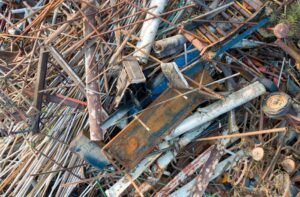
When preparing your scrap, cleanliness is paramount. Removing plastic insulation from wires, stripping away steel bolts from aluminium components, and separating different alloys will significantly improve your payout. If you are unsure about the classification of your haul, consult our comprehensive guide on Scrap Metal Prices to learn more about industry standards.
Factors Influencing the Market Rate in Tasmania
Several variables determine the final market rate you are offered. In Tasmania, the cost of logistics is a major factor. Because much of the scrap collected in the state must be shipped to mainland Australia or exported internationally, the cost of shipping containers and sea freight plays a significant role in the price offered at the local yard. If shipping costs rise, the local buy price often decreases to compensate.
Another factor is the volume of your scrap. Commercial accounts that provide consistent, high-volume, and pre-sorted material often negotiate better rates than casual walk-in customers. Additionally, the presence of contaminants—such as rubber, glass, or non-metallic materials—will lower the value of your load. A professional recycler must account for the labor required to remove these impurities, which is why clean, sorted loads are always rewarded with higher prices. For those searching for local facilities, checking Scrap Metal Prices Near Me can help you find a reputable buyer that offers transparent pricing and efficient processing services.
The Environmental Benefits of Metal Recycling
Recycling metal is one of the most effective ways to reduce our collective carbon footprint. Unlike plastic, which degrades in quality each time it is recycled, metal is infinitely recyclable. This means that a piece of aluminium recycled today can be back on the market as a new product within weeks, without any loss in structural integrity.
By choosing to recycle, you are directly contributing to:
- Energy Conservation: Producing new aluminium from recycled material uses 95% less energy than mining and refining bauxite ore.
- Resource Preservation: Reducing the need for open-cut mining protects Tasmanian landscapes and biodiversity.
- Waste Reduction: Keeping metals out of landfill prevents long-term soil and water contamination.
- Carbon Emission Reduction: Lower energy requirements mean fewer greenhouse gases are emitted during the manufacturing process.
For more information on how the industry supports sustainability, visit the Scrap Trade Australia portal. By participating in the circular economy, you are not just making money; you are protecting the environment for future generations.
How the Recycling Process Works
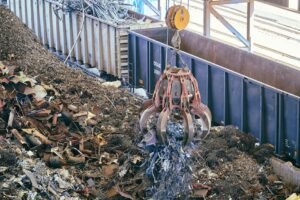
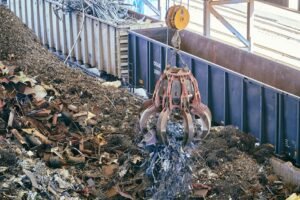
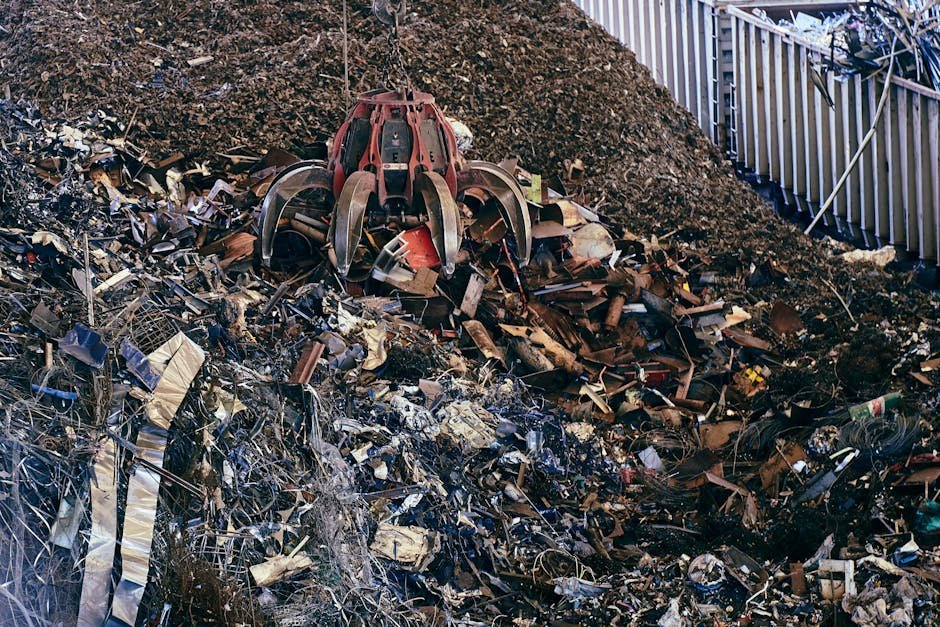
The journey from a scrap pile to a new product is a fascinating industrial process. Once you drop off your metal at a facility, it undergoes several stages of transformation. First, the material is weighed on certified scales to determine the price per kg. It is then inspected for contaminants and sorted using a combination of manual labor, magnets (for ferrous metals), and eddy current separators (for non-ferrous metals).
Once sorted, the metal is processed into smaller, manageable pieces—often through shredding or shearing—to increase density. This high-density material is then baled or loaded into shipping containers. From there, it is transported to a smelter, where it is melted down, purified, and cast into ingots or billets. These ingots are then sold to manufacturers to create everything from new car parts and construction beams to household appliances. For deeper insights into these operational standards, you can review scrap yard metal prices to understand how different facilities manage their intake and processing.
Practical Tips for Scrap Metal Sellers
To ensure you are getting the most out of your scrap, follow these expert tips:
- Sort Before You Arrive: Never mix your metals. Copper, brass, and aluminium should be kept in separate containers.
- Clean Your Metal: Remove non-metallic attachments like plastic, wood, or glass.
- Check the Markets: Prices change daily. If you have a large quantity, call your local yard ahead of time to confirm current rates.
- Build Relationships: If you are a regular seller, talk to the yard manager about setting up a commercial account.
- Use Reliable Scales: Always deal with yards that use government-certified weighbridges.
- Safety First: Wear gloves and protective gear when handling sharp metal, especially when dealing with rusted or jagged edges.
If you are looking for a reliable platform to manage your trading, consider using the tools provided by Scrap Trade to stay updated on industry fluctuations and best practices. By staying informed, you ensure that your efforts in the scrap industry are both profitable and efficient.
The Future of Metal Recycling in Tasmania
The outlook for the Tasmanian scrap industry is positive. As global demand for recycled materials grows, there is an increasing emphasis on circularity and local processing capabilities. Technological advancements, such as X-ray fluorescence (XRF) analyzers, are becoming more common in local yards, allowing for more precise identification of metal alloys. This technology ensures that sellers get paid accurately for the specific grade of metal they bring in, reducing disputes and increasing transparency.
Furthermore, government initiatives aimed at reducing landfill waste are likely to bolster the scrap industry. As regulations tighten, more businesses and households will be incentivized to recycle rather than discard. By staying ahead of these trends and understanding the value of your materials, you position yourself to benefit from a market that is becoming increasingly professionalized and essential to the global supply chain.
In conclusion, scrap metal prices Tasmania are a reflection of a complex, interconnected global market. By understanding the grading system, the factors that influence pricing, and the importance of proper preparation, you can turn your scrap metal into a reliable income stream while contributing to a more sustainable future. Always keep an eye on market trends, maintain clean inventory, and choose reputable partners to ensure your recycling efforts yield the best results.
Frequently Asked Questions
What is the best way to get higher scrap metal prices in Tasmania?
The best way to increase your return is to thoroughly sort your scrap by metal type and remove all contaminants like plastic, rubber, or wood. Clean, pre-sorted loads are processed faster by yards and typically receive a higher price per kg.
Do scrap metal prices change daily?
Yes, scrap metal prices are volatile and fluctuate based on global commodity market rates. It is recommended to check the current market rate on the day you plan to sell your material.
Why is there a price difference between ferrous and non-ferrous metals?
Non-ferrous metals, such as copper, aluminium, and brass, are generally more valuable because they are rarer and cheaper to recycle than ferrous metals like steel or iron. These metals also possess unique properties that make them highly sought after by manufacturers.
How can I find the current price for my specific metal?
You should check online resources or contact your local scrap yard directly to ask for their current buying rates. Be prepared to describe the type of metal and the approximate weight of your load to get an accurate quote.