
Understanding scrap metal prices Western Australia requires a deep dive into the complex web of global supply chains, local industrial activity, and the inherent value of raw materials. Whether you are a tradesperson, a demolition contractor, or an individual looking to clear out a workshop, knowing how to value your scrap is the first step toward maximizing your returns. In a resource-rich state like Western Australia, the scrap industry acts as the backbone of a circular economy, turning discarded industrial waste into valuable feedstock for global manufacturing.
How Scrap Metal Prices are Determined in Western Australia
The pricing of scrap metal is not arbitrary; it is a highly calculated figure derived from the London Metal Exchange (LME). When you look for scrap metal prices Western Australia, you are essentially looking at a localized version of a global commodity price. The LME sets the benchmark for base metals like copper, aluminium, nickel, and zinc. However, the price you receive at the gate is the LME price minus the costs of processing, logistics, and the yard’s operational margin.
Factors that influence the market rate include:
- Global Demand: If major manufacturing hubs in Asia or Europe are experiencing high demand for steel or copper, the price per tonne will rise accordingly.
- Currency Fluctuations: Since metals are traded in USD, the strength of the Australian Dollar (AUD) significantly impacts the local price per kg.
- Logistics and Transport: Western Australia is vast. The cost of transporting scrap from remote mining sites or regional towns to major processing hubs in Perth affects the final payout.
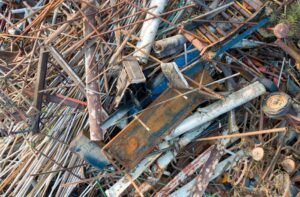
- Contamination Levels: Clean, pure metal will always command a higher price than mixed or contaminated loads.
For those looking for specific data, comparing sims scrap metal prices australia per kg can give you a baseline, but always remember that local competition and yard-specific overheads will lead to variations in the quotes you receive.
The Importance of Scrap Metal Grades
To get the best value, you must understand the grading system. Scrap yards classify metals based on their chemical composition, size, and level of contamination. Selling mixed scrap is the fastest way to lose money, as yards will typically pay the lowest scrap yard metal prices for unsorted material.
Copper: This is the “gold” of the scrap world. Bright shiny copper (Grade 1) is free of insulation, paint, or solder and fetches the highest metal prices today. Burnt or insulated copper is graded lower because of the processing required to remove the impurities.
Aluminium: From cast aluminium to extrusion, the grade matters. Clean, unpainted extrusion is worth more than cast engine blocks, which often contain iron inserts or grease.
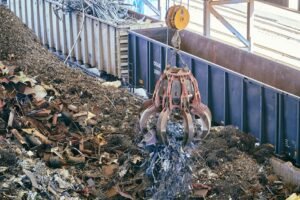
Steel and Iron: Often referred to as ferrous scrap, this is traded in high volumes. Heavy melting steel (HMS) is preferred by mills. If you have large quantities, you might be interested in How To Negotiate Scrap Metal Prices Internationally to ensure your large-scale contracts are optimized for the global market.
Current Market Trends and Environmental Impact
The recycling industry in Western Australia is undergoing a transformation. As the world moves toward a net-zero future, the demand for recycled metal is skyrocketing. Recycling aluminium, for example, uses 95% less energy than producing it from virgin bauxite ore. This environmental imperative is driving innovation in how we process scrap.
When you recycle, you aren’t just earning money; you are reducing the need for destructive mining practices. By utilizing a professional scrap metal trading platform, you ensure that your materials are handled in compliance with environmental regulations. This is crucial in Western Australia, where strict EPA guidelines govern the storage and processing of hazardous materials like lead-acid batteries or e-waste.
If you are looking for a facility near you, searching for Scrap Metal Prices Near Me will help you identify yards that prioritize sustainable processing methods. For comprehensive insights into the Australian market, visit Scraptrade Australia to stay updated on industry standards.
Practical Tips for Maximizing Your Payout
Maximizing your profit requires preparation. Do not simply throw all your scrap into a trailer and hope for the best. Follow these expert tips:
- Sort Your Metals: Separate copper, brass, aluminium, and steel before you arrive. This prevents the yard from grading your entire load at the lowest common denominator price.
- Clean Your Scrap: Remove plastic, wood, and rubber. A piece of copper wire with insulation is worth significantly less than clean copper.
- Accumulate Volume: While small loads are accepted, larger quantities often qualify for better pricing tiers.
- Monitor the Market: Keep an eye on current scrap prices. If the market is trending upward, it may be worth holding onto your stock for a few extra days to capitalize on the peak.
- Build Relationships: If you are a regular supplier, talk to the yard manager. Establishing a long-term relationship can lead to better pricing and faster service.
The Logistics of Scrap Metal in Western Australia
Western Australia’s geography presents unique challenges. Unlike the densely populated eastern states, the distance between collection points and processing facilities is significant. This makes the price per tonne in regional WA often lower than in Perth, as the cost of freight must be factored in. However, for large industrial projects, many scrap companies offer bin services or dedicated transport solutions to move material efficiently.
Understanding the supply chain is vital. Your scrap typically moves from the yard to a regional processor, then to a port, and finally to an international smelter. Every step in this chain adds cost but also adds value by refining the product. When you negotiate, remember that you are part of an international trade ecosystem. For those dealing in large volumes, understanding the nuances of export and international trade is essential for long-term profitability.
Why Recycling Matters for the Future
The circular economy is not just a buzzword; it is a necessity for the mining-heavy economy of Western Australia. By keeping scrap metal in the loop, we reduce the carbon footprint of the construction and automotive industries. Every kilogram of steel recycled prevents the emission of greenhouse gases associated with iron ore extraction and blast furnace operations.
Furthermore, the scrap industry provides thousands of jobs across the state. From collection and sorting to logistics and export, the industry is a vital economic engine. By choosing to trade your scrap with reputable, licensed facilities, you are supporting a legal and ethical supply chain that adheres to Australian safety and environmental standards.
Detailed Breakdown of Common Scrap Grades
To further refine your knowledge, let’s look at the specific grades that influence scrap metal prices Western Australia:
- Copper Pipe (No. 1): Must be clean, unalloyed, and free of fittings or solder.
- Copper Wire (Bright/Shiny): Uncoated, unalloyed copper wire, not smaller than 16 gauge.
- Aluminium Extrusion: Clean, free of iron, plastic, or rubber attachments.
- Lead: Usually sourced from batteries or roofing; must be handled with care due to toxicity.
- Stainless Steel: Look for the 304 or 316 grade. The presence of nickel makes this highly valuable.
By learning to identify these grades using magnets (for steel) or visual inspection (for copper/aluminium), you can significantly increase your bargaining power. Always ask the yard manager about their specific grading criteria, as these can vary slightly between different facilities.
Final Considerations for Traders
As you navigate the scrap market, remember that transparency is key. A reputable yard will have a digital scale that is visible to you, the customer. They will provide a clear breakdown of weights and grades on your receipt. If you feel that the market rate is not being reflected in your payment, don’t be afraid to ask for a breakdown of how the price was calculated.
As the industry continues to evolve with better sorting technology and a greater focus on sustainability, the value of high-quality, clean scrap will only increase. Stay informed, keep your materials sorted, and always verify the current market conditions before you sell. By treating your scrap as a valuable commodity rather than just waste, you ensure that you get the best possible return for your effort.
Related: scrap yard metal prices
Frequently Asked Questions
How often do scrap metal prices change?
Scrap metal prices fluctuate daily based on the London Metal Exchange (LME) and local market supply and demand. It is advisable to check rates on the day you plan to sell.
What is the most valuable scrap metal?
Copper is generally the most valuable common scrap metal due to its high demand in electrical and plumbing industries. Other high-value metals include brass, stainless steel, and aluminium.
Does cleaning my scrap metal increase the price?
Yes, removing non-metallic contaminants like plastic, rubber, or wood significantly increases the grade and value of your scrap. Clean, pure metals command the highest market rates.
Why is there a difference in price between scrap yards?
Differences in pricing occur due to operational costs, logistics, the yard’s export capabilities, and local competition. Some yards may also offer better rates for high-volume, well-sorted loads.