
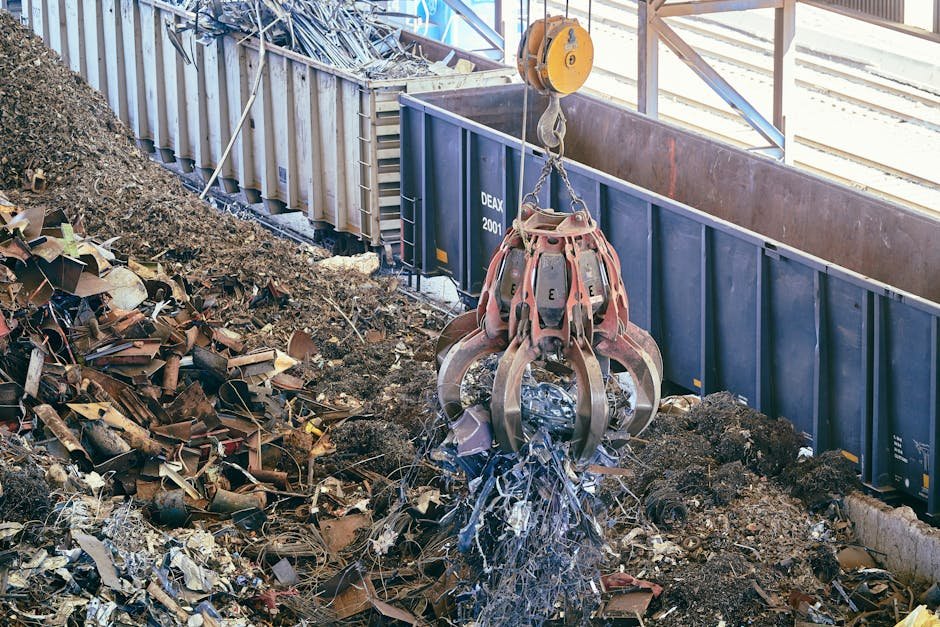

Navigating the complex landscape of the scrap metal price in UAE requires a deep understanding of both local industrial dynamics and global commodity shifts. As a central hub for international trade, the United Arab Emirates plays a pivotal role in the circular economy, connecting raw material supply chains from the Middle East to manufacturing giants in Asia and Europe. Whether you are a commercial recycler or an industrial supplier, tracking the scrap metal price in UAE is essential for optimizing your profit margins and ensuring long-term business viability. This guide serves as your authoritative resource for market intelligence, grading standards, and the logistical frameworks that define the industry today.
Understanding the Drivers of Scrap Metal Pricing
Market valuations for secondary metals are never static; they are the result of a sophisticated interplay between supply, demand, and macroeconomic policy. The scrap metal price in UAE is primarily influenced by the London Metal Exchange (LME) benchmarks, which set the global standard for copper, aluminum, nickel, and steel. When global demand for construction or automotive manufacturing surges, local yards in Dubai, Abu Dhabi, and Sharjah quickly adjust their buy rates to reflect these international trends. Furthermore, currency fluctuations—specifically the AED’s peg to the USD—impact the cost of import and export, making local traders highly sensitive to US economic health.
Local infrastructure projects, such as the expansion of the Etihad Rail or massive urban development in the Northern Emirates, create a localized surge in demand for recycled steel and aluminum. When domestic construction activity is high, local mills prioritize local supply, often driving up the price per kg for high-grade ferrous and non-ferrous materials. Conversely, during periods of global economic cooling, prices may soften, forcing traders to rely on efficient logistics to maintain profitability. For those looking to scale their operations, How To Export Scrap Metal Internationally provides the necessary framework to navigate these market shifts effectively.
The Critical Importance of Metal Grading
The value of your scrap is determined first and foremost by its grade. In the UAE market, purity is the primary currency. Copper, for example, is categorized into ‘Bright Wire’ (Grade 1), which commands the highest price per kg, versus ‘Burnt’ or ‘Insulated’ copper, which requires additional processing and thus fetches a lower market rate. Understanding these nuances is critical. If you are selling to a local yard, knowing your material grade prevents undervaluation. You can find more detailed insights on current market fluctuations by visiting Scrap Metal Prices, where data is updated to reflect real-time shifts.
Aluminum is another major player in the UAE, with significant volumes coming from construction waste and automotive recycling. Grades here range from clean ‘Extrusions’ to ‘Cast Aluminum’ and ‘Turnings.’ Each grade has a specific chemical composition requirement; contamination with plastic, rubber, or other metals can lead to a significant price deduction. Traders who invest in onsite sorting technology—such as XRF analyzers—can verify the alloy composition of their scrap before it hits the scale, ensuring they receive the premium rate for high-purity loads. This technical approach is a hallmark of professional scrap management.
Logistics and the Export Advantage
The UAE’s strategic location makes it a gateway for global metal trade. Most high-value scrap collected in the Emirates is not consumed locally but is exported to major smelting centers in India, China, and Southeast Asia. The logistics of moving scrap metal—from containerization to port clearance—are as important as the metal itself. To maximize your returns, you must minimize transport costs and optimize container loading density. Efficient logistics allow you to capitalize on the scrap metal price in UAE by timing your shipments to align with peak demand cycles in destination markets.
For those interested in the broader Australian market context, which often mirrors the UAE’s reliance on export, professional metal recycling services in Australia offer a fascinating comparative look at how developed economies handle secondary material flows. Regardless of your location, the principles of volume, clean sorting, and reliable supply chain management remain the same. If you are searching for local buyers, start by identifying the Best Scrap Metal Prices Near Me to establish a baseline for your local market competitive analysis.
Environmental Impact and Sustainable Recycling
Recycling metal is one of the most effective ways to reduce the carbon footprint of the manufacturing sector. Producing aluminum from recycled scrap requires up to 95% less energy than producing it from virgin bauxite ore. In the UAE, where sustainability initiatives like the ‘UAE Net Zero 2050’ are gaining momentum, the scrap metal industry is shifting toward more transparent and energy-efficient processing methods. By keeping metals out of landfills and reintroducing them into the supply chain, recyclers are not just trading a commodity; they are actively participating in the global effort to decarbonize industry.
The environmental benefits extend to resource conservation. By recycling copper, steel, and zinc, we reduce the need for destructive open-pit mining, which preserves local ecosystems and water tables. For businesses, this is no longer just a CSR initiative—it is a competitive necessity. Many international buyers now require ‘Green Certificates’ or proof of sustainable processing before they will purchase scrap loads. Aligning your business with these standards can open doors to premium international markets and long-term contracts. For a comprehensive look at the evolution of these markets, see Understanding Scrap Metal Price: A 2026 Market Guide to stay ahead of the regulatory curve.
Strategic Tips for Maximizing Profitability
To consistently secure the best rates, you must move beyond the casual seller model. First, build long-term relationships with reputable scrap yards. Consistent volume often grants you access to ‘wholesale’ pricing tiers that are not advertised to the general public. Second, invest in proper storage. Keeping your scrap clean and dry prevents oxidation, which is especially important for copper and aluminum. Even a small amount of surface corrosion can downgrade your material, costing you significant money per load.
Third, keep a close eye on the global metal prices today. By setting alerts for LME movements, you can decide when to hold your stock and when to sell. During a market downturn, it is often better to store your high-value inventory and wait for a recovery rather than selling at a loss. Finally, always maintain accurate records of your weights and grades. Discrepancies in scale readings are the most common cause of disputes between sellers and buyers. Use calibrated, certified scales to ensure transparency in every transaction.
The Future of the UAE Scrap Metal Industry
The UAE is rapidly evolving into a high-tech recycling hub. We are seeing a shift toward automated sorting, AI-driven grading, and advanced smelting capabilities within the Emirates. This transition means that the scrap metal industry will become increasingly professionalized. As the country moves toward a circular economy, the demand for high-quality, pre-sorted scrap will only increase. Traders who embrace these technological advancements will be the ones who define the future of the market.
As you navigate this journey, remember that knowledge is your greatest asset. Whether you are analyzing the scrap metal price in UAE or managing international logistics, the principles of accuracy, quality control, and strategic timing remain the foundation of success. By leveraging the resources at Scrap.Trade, you gain access to the data and insights necessary to thrive in this competitive global landscape. Stay informed, stay organized, and continue to refine your processes to ensure that your scrap metal business remains a profitable and essential link in the global supply chain.
Frequently Asked Questions
What is the primary factor influencing the scrap metal price in UAE?
The primary driver is the London Metal Exchange (LME) global index, which dictates the base value of metals. Local prices are then adjusted based on regional supply and demand, transportation costs, and current currency exchange rates.
How can I ensure I am getting the best price per kg for my scrap?
To maximize returns, ensure your scrap is thoroughly sorted by grade and free from contaminants like plastic, rubber, or insulation. Building a long-term relationship with a reputable buyer and monitoring global market trends allows you to sell when prices are peaking.
Why is metal grading so important in the recycling process?
Grading determines the purity and chemical composition of the metal, which dictates its utility for manufacturers. Higher grades require less processing and energy to recycle, making them significantly more valuable to end-buyers.
How does exporting scrap metal affect local market prices?
Exporting allows local traders to bypass domestic market saturation and tap into higher-paying international markets. This competition for supply keeps local prices dynamic and generally aligned with global commodity values.