
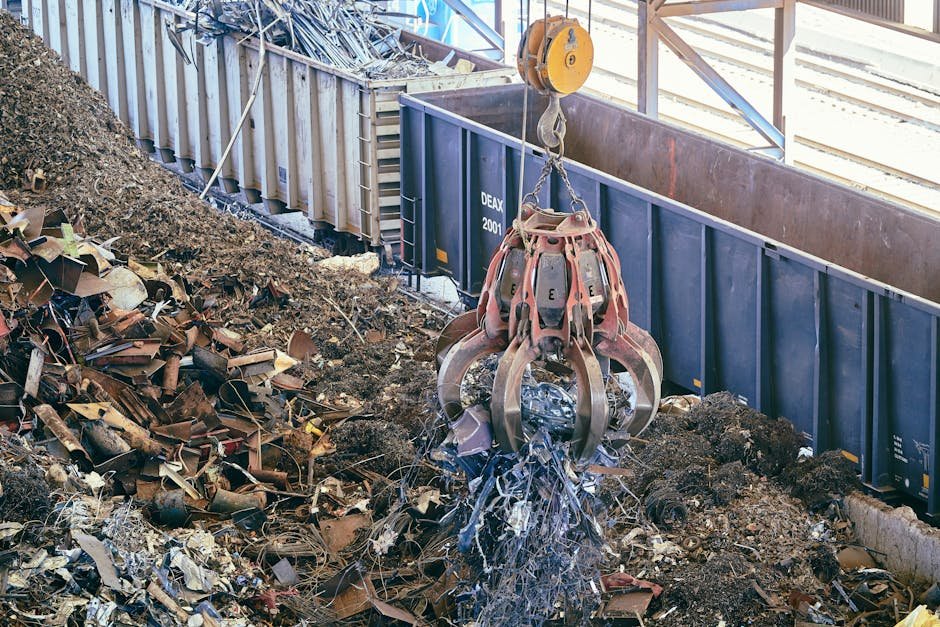

Understanding how to get the best price for scrap metals is the difference between pocketing a modest sum and maximizing your profit margins. Whether you are a trade contractor, a demolition expert, or an industrial manufacturer, your scrap heap is a liquid asset. By learning how to get the best price for scrap metals, you ensure that every kilogram of material is accounted for at its highest market valuation. The Australian market is highly dynamic, and savvy sellers know that timing and preparation are the primary drivers of success.
Understanding Market Volatility and Metal Pricing
Metal prices today are dictated by global supply and demand, currency fluctuations, and the London Metal Exchange (LME) indices. Because Australia is a major exporter, local scrap yards adjust their buy prices based on these international benchmarks. To stay ahead, you must monitor the best price for scrap metal near me to ensure your local yard is offering a competitive rate. The price per kg or price per tonne you receive is essentially a reflection of how easily the yard can process and on-sell your material to refineries.
Refineries pay more for clean, sorted, and high-grade materials. If you are dealing with specific alloys, such as titanium, you should consult our guide on Titanium Scrap Price How To Get The Best Value For Your Titanium to understand the specific grading requirements that lead to premium payouts. Similarly, if you are looking to Sell Copper How To Get The Best Price For Copper Scrap, you must understand that brightness and insulation removal are critical factors. For those wondering about local logistics, search for Scrap Copper Near Me Where To Sell Copper Scrap For The Best Price to identify yards equipped to handle high-volume industrial loads.
How to Optimize Your Scrap for Maximum Profit
The most effective way how to get the best price for scrap metals is to treat your scrap as a refined product rather than waste. Contamination is the primary reason for price downgrades. A load of copper wire with PVC insulation is worth significantly less than clean, stripped copper. When you remove plastic, rubber, or steel attachments, you increase the purity of your load, which directly correlates to a better price per kg.
Recycling works by melting down scrap into raw ingots, which are then used to manufacture new products. This process uses up to 95% less energy than mining virgin ore. By providing clean, sorted scrap, you reduce the labor costs for the recycling facility, and they pass those savings back to you in the form of higher payouts. If you are sourcing material from industrial sites, check out where to get scrap electronics to diversify your inventory and capture value from precious metals found on circuit boards.
Follow these steps to ensure you are getting the maximum return on your scrap inventory:
- Segregate your metals by type (Copper, Aluminum, Brass, Steel, Lead).
- Clean your material by removing non-metal contaminants like plastic, wood, or dirt.
- Check the scrap trading platform for real-time market updates.
- Contact a reputable yard at professional scrap metal recycling services to schedule a drop-off.
- Ensure you have proper identification and weigh-bridge documentation for large loads.
Environmental Benefits and Industrial Impact
Beyond the financial gain, recycling scrap metal is a cornerstone of the circular economy in Australia. Every tonne of recycled aluminum saves thousands of kilowatt-hours of electricity. When you choose to recycle, you are actively reducing the carbon footprint of the manufacturing sector. Industrial players who implement robust scrap management systems not only lower their waste disposal costs but also contribute to a sustainable supply chain. The market rate for recycled metal is consistently supported by the growing demand for green manufacturing processes. By participating in this ecosystem, you ensure that high-value materials remain in the production cycle, preventing them from ending up in landfills and reducing the need for destructive mining practices. Always verify the credentials of your recycler to ensure they adhere to environmental regulations, keeping your operations compliant and sustainable.
- Sort by Grade: High-grade copper (bright and shiny) always commands a higher price per tonne than low-grade or oxidized material.
- Volume Matters: Larger, consistent loads often qualify for better pricing tiers compared to ad-hoc, small-scale drop-offs.
- Timing is Everything: Keep an eye on market trends; when global demand spikes, wait for the peak before offloading your inventory.
- Documentation: Maintain accurate records of your scrap sales to track your ROI and optimize your collection strategy over time.
Start maximizing your returns today. By applying these professional sorting techniques and monitoring the market, you ensure that your scrap metal assets are working as hard as you are. Don’t leave money on the table—contact our team to secure the best rates for your scrap metal today.
Related: Titanium Scrap Price How To Get The Best Value For Your Titanium
Frequently Asked Questions
How do I know if I am getting a fair price for my scrap?
Compare the offer against the current market rate for your specific metal grade. Always check multiple reputable scrap yards and look for transparent pricing policies.
Why does sorting my scrap metal increase the price?
Sorting eliminates the need for the recycling facility to perform labor-intensive separation. Clean, pure loads are more valuable to refineries, and yards pass those savings to you.
Does the price of scrap metal change every day?
Yes, metal prices are highly volatile and fluctuate based on global commodity markets. It is best to check the latest prices on the day you plan to sell.
What is the difference between ferrous and non-ferrous scrap?
Ferrous metals contain iron and are magnetic, such as steel and iron. Non-ferrous metals, like copper, aluminum, and brass, are non-magnetic and generally fetch higher prices.