
Scrap metal purchasers play a critical role in the global recycling ecosystem by transforming discarded materials into reusable resources. This guide provides an in-depth exploration of scrap metal grades, the recycling process, and the environmental benefits of sustainable practices. Whether you’re a business owner, a demolition contractor, or an individual generating scrap, understanding these fundamentals ensures you maximize value and support eco-friendly initiatives.
Understanding Scrap Metal Grades
Scrap metal is categorized into distinct grades based on composition, purity, and intended use. Scrap metal purchasers rely on accurate grading to determine pricing and processing methods. The primary categories include:
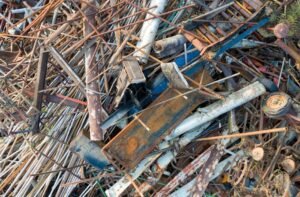
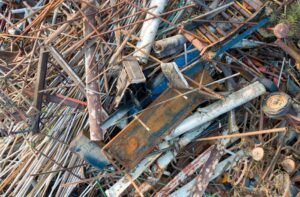
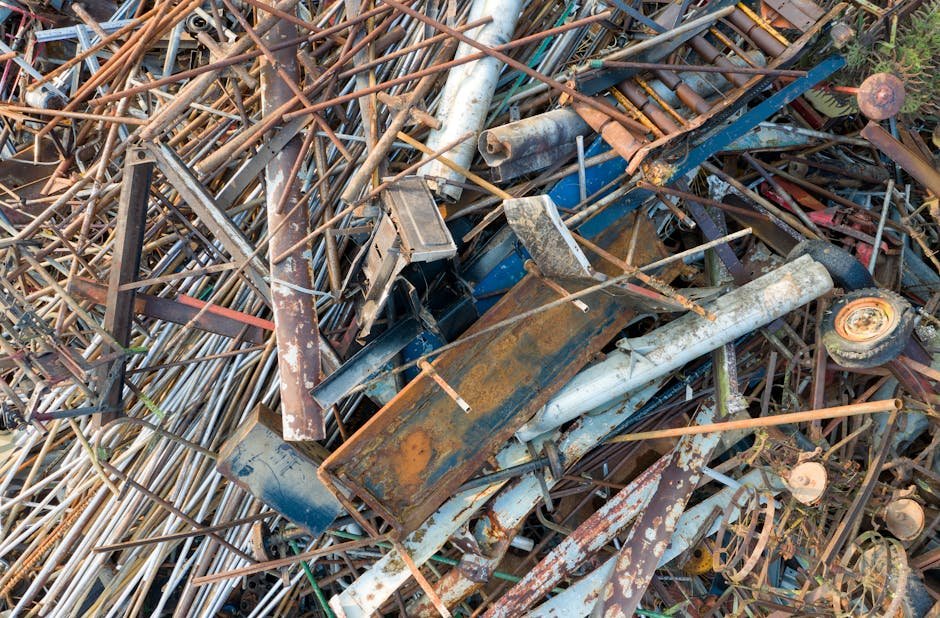
- Black Iron/Steel: Includes machinery, structural steel, and auto frames. Recycled into new steel products like construction materials or vehicles.
- Aluminum: Divided into Aluminum Cans, Aluminum Cylinders, and Aluminum Sheet, each requiring different refining techniques.
- Non-Ferrous Metals: Copper, brass, and bronze are high-value grades due to their conductivity and durability. Scrap metal prices for these often fluctuate with demand.
- White Metals: Includes lead, tin, and zinc, commonly sourced from batteries and industrial waste.
How Recycling Works: From Collection to Reuse
The recycling process involves multiple stages, ensuring efficiency and minimizing environmental impact. Here’s how scrap metal purchasers streamline operations:
- Collection & Sorting: Materials are gathered from demolition sites, factories, or households and sorted by grade. Scrap metal recycling near me services often provide mobile units for large-scale pickups.
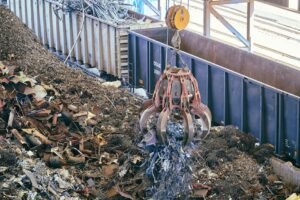
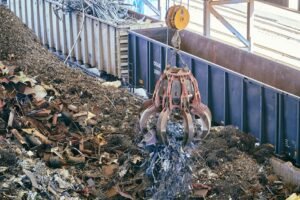
- Processing: Scrap is shredded, baled, or melted to remove contaminants like plastic or rubber. Advanced facilities use eddy current separators to isolate non-ferrous metals.
- Refining: Melted metal is purified and cast into ingots or sheets. For example, recycled aluminum requires only 5% of the energy used to produce new aluminum from bauxite.
- Reintegration: Recycled materials are sold to manufacturers for use in construction, electronics, or vehicle production. Global scrap metal markets facilitate international trade of refined products.
Environmental Benefits of Scrap Metal Recycling
Recycling scrap metal significantly reduces the environmental footprint of resource extraction and manufacturing. Key benefits include:
- Energy Conservation: Recycling iron and steel saves up to 60% of the energy required for mining and processing new ore.
- Landfill Reduction: Diverting 1 ton of scrap metal from landfills saves 10 cubic yards of space, equivalent to 30 truckloads annually.
- Lower Emissions: Scrap metal recycling reduces CO2 emissions by up to 58% compared to traditional production methods.
- Resource Preservation: Recycling 1 ton of copper conserves 120 million gallons of water and avoids 100 million Btu of energy use.
Choosing the Right Scrap Metal Purchaser
For individuals and businesses, selecting a reliable scrap metal purchaser ensures competitive pricing and ethical practices. Consider these criteria:
- Certification: Look for ISO 14001 accreditation or adherence to Environment Protection Authority (EPA) guidelines.
- Local Expertise: A scrap metal purchaser near me service with local knowledge can provide faster pickups and tailored advice.
- Pricing Transparency: Reputable purchasers publicly list scrap metal prices and offer fair compensation for all grades.
- Volume Flexibility: Whether you’re disposing of a small auto part or a construction site’s worth of steel, choose a purchaser accommodating all scales.
Maximizing Value When Selling Scrap Metal
To optimize returns, scrap metal purchasers recommend these strategies:
- Clean and Sort Materials: Remove non-metal components (e.g., wires from copper pipes) to avoid deductions for contamination.
- Track Market Trends: Use scrap metal price trackers to time sales during peak demand for high-value grades.
- Negotiate Based on Grade: Highlight the purity and usability of your scrap to secure premium rates.
- Bundle with Other Services: Combine scrap sales with scrap metal recycling near me to reduce disposal costs and earn rebates.
Future Trends in Scrap Metal Recycling
The industry is evolving with technological and regulatory advancements. Key trends include:
- AI and Automation: Machine learning optimizes sorting processes, increasing purity rates and reducing manual labor.
- Blockchain Tracking: Transparent supply chains ensure ethical sourcing, appealing to eco-conscious buyers.
- Government Incentives: Australia’s Scrap Metal Recycling Incentive Program rewards businesses for achieving high recycling rates.
- Global Demand Shifts: Rising global scrap metal demand from Asia-Pacific manufacturers is driving price volatility and new trade routes.
Conclusion: Partnering with Responsible Scrap Metal Purchasers
By understanding grades, processes, and environmental impacts, scrap metal purchasers enable a circular economy that benefits producers and recyclers alike. Partnering with certified, transparent organizations like Scrap Trade or Scrap Trade Australia ensures compliance, competitive pricing, and sustainability. Whether you’re a small business or a large industrial player, leveraging these insights will position you at the forefront of the recycling revolution.
FAQ: Common Questions for Scrap Metal Purchasers
Frequently Asked Questions
How do I identify different grades of scrap metal?
Use a magnet to distinguish ferrous (attracts) from non-ferrous metals. For precise grading, consult a certified scrap metal purchaser who can test conductivity and composition.
What are the environmental benefits of recycling scrap metal?
Recycling reduces energy use by 60-70% compared to mining new materials, lowers CO2 emissions, and preserves natural resources like bauxite and iron ore.
How can I find a reputable scrap metal purchaser near me?
Search online for scrap metal recycling near me or check local directories for certified businesses with transparent pricing and positive reviews.
What factors influence scrap metal prices?
Scrap metal prices fluctuate based on global demand, supply chain disruptions, and the purity of the material being sold.