
Understanding the intricacies of scrap metal recycle Sydney is essential for both businesses and residents across New South Wales looking to responsibly dispose of unwanted metal while also potentially earning an income. This comprehensive guide delves into every aspect of the process, from the different grades of metal and how to identify them to the logistical choice between drop-off and professional pickup services. We will thoroughly examine the significant environmental benefits and reduced carbon footprint that proper recycling delivers to the Greater Sydney region, providing you with the authoritative knowledge needed to participate effectively in the circular economy.
The Scrap Metal Recycling Process: From Waste to Resource
The journey of a piece of scrap metal is a fascinating and complex industrial process. It begins the moment an item is deemed waste and ends when it re-enters the manufacturing stream as a high-quality raw material. For anyone engaged in scrap metal recycle Sydney, understanding this journey underscores the value and importance of their contribution.
The first and most crucial step is collection. This is where individuals and businesses gather their ferrous and non-ferrous metals. Collection can be done independently for transport to a recycling centre or arranged through a dedicated pickup service.
Upon arrival at a facility, the sorting process begins. This is a meticulous stage where metals are separated by type and grade. Magnets are used to easily pull ferrous metals (like iron and steel) from the mix, while non-ferrous metals (such as copper, aluminium, and brass) require more advanced methods like visual identification, spectroscopy, and eddy current separators. Proper sorting is critical as it directly impacts the value of the scrap and the quality of the recycled output.
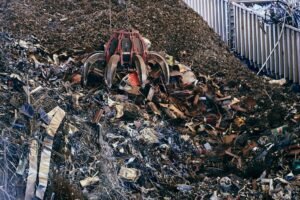
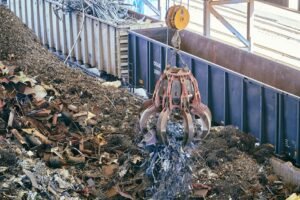
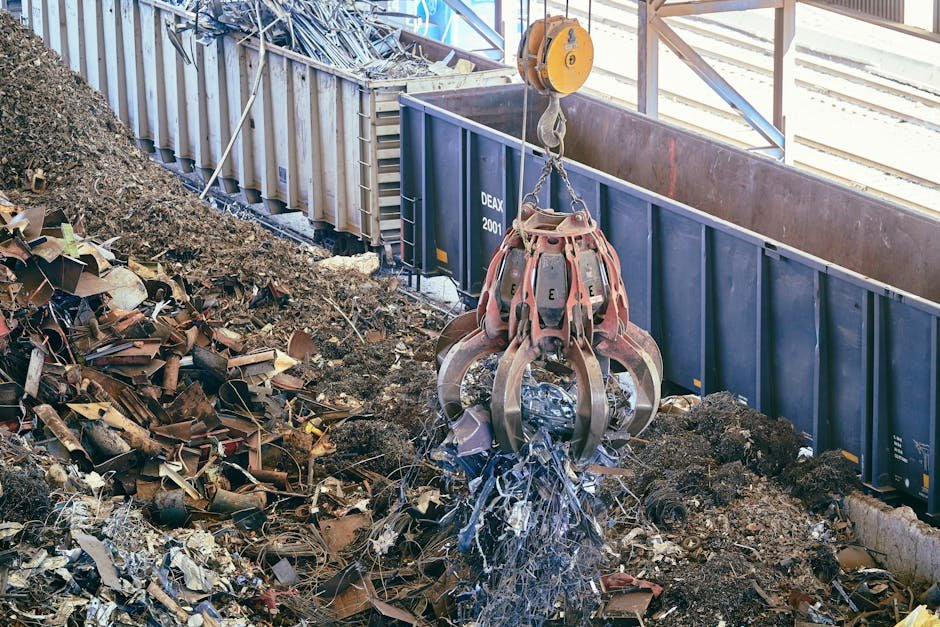
After sorting, the materials undergo processing. This typically involves compaction and shredding. Large items like cars and appliances are compressed into dense blocks to save space and ease transportation. Shredding uses powerful hammer mills to break down the metal into smaller, uniform pieces, which increases the surface area and makes melting more energy-efficient. The shredded material is then further purified using techniques like magnetic separation and air classification to remove any non-metallic contaminants like plastic or paint.
The final stage is melting. The processed scrap is transported to a smelter and loaded into a large furnace specifically designed for a particular metal. The immense heat required to melt the metal is a significant energy consumer; however, using recycled scrap instead of virgin ore reduces energy requirements by up to 95% for aluminium and 74% for steel. Once molten, the metal is purified using various chemical processes to achieve the desired composition. It is then cooled and solidified into ingots, sheets, or other forms that manufacturers can use to create brand new products, thus completing the loop.
Understanding the Different Grades of Scrap Metal
Not all scrap metal is created equal. Its value is determined by its type, purity, and condition. Recognising these grades is key to maximising your return and ensuring your material is handled correctly. The broadest categorization is between ferrous and non-ferrous metals.
Ferrous Metals: These are metals that contain iron, making them magnetic. They are susceptible to rust and are generally less valuable than non-ferrous metals but are recycled in enormous volumes.
- Light Iron/Steel: This includes thin, sheet-based metals like whitegoods (fridges, washing machines), car bodies, and roofing iron.
- Heavy Steel: Thick, structural steel like I-beams, machinery, and thick-walled piping.
- Cast Iron: Recognisable by its brittle nature and granular break pattern, often found in engine blocks, old radiators, and industrial machinery.
Non-Ferrous Metals: These metals contain no iron, are not magnetic, and are highly resistant to corrosion. They command a higher price per kilogram at the scrap yard.
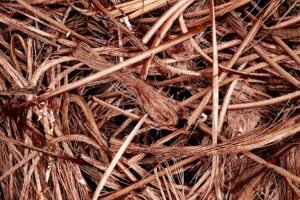
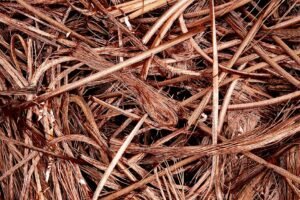
- Copper: One of the most valuable scrap metals. Grades include #1 Copper (clean, uncoated wire), #2 Copper (slight oxidation or solder), and Light Copper (thin gauge sheet or contaminated wire).
- Aluminium: Common and widely recycled. Grades range from clean extrusion offcuts and old sheet aluminium to lower-grade mixed cast aluminium (e.g., from engine parts) and contaminated foil.
- Stainless Steel: A valuable ferrous alloy that is non-magnetic. It is graded by its nickel content, with 304 and 316 grades being the most common and valuable.
- Brass: An alloy of copper and zinc. Clean yellow brass is high-value, while red brass or contaminated brass fetches a slightly lower price.
- Lead, Zinc, and Nickel: Less common but still valuable, often found in specific industrial applications and batteries.
For the most accurate and up-to-date valuation of your materials, always check live Scrap Metal Prices before you sell.
Drop-Off vs. Pickup: Choosing the Right Service for You
When deciding how to get your scrap metal to a recycling centre, you have two primary options: self-delivery (drop-off) or arranging a collection. The best choice depends on the volume of your scrap, your access to transport, and the value of the materials.
The Drop-Off Option
Taking your scrap metal to a local yard is a straightforward process. It involves loading your vehicle and driving to a facility in your area. This method is ideal for individuals with a car and a small to medium amount of scrap. The main advantage is immediacy—you can go on your own schedule and receive payment on the spot. It also allows you to build a relationship with the operators at your local yard. To find a reputable facility, a search for Scrap Metal Recycling Near Me will provide a list of options. For those in specific areas, services specializing in scrap metal west sydney can be particularly convenient.
The Professional Pickup Service
For larger volumes of scrap—common in commercial, industrial, or renovation settings—a professional pickup service is the most efficient and practical solution. Companies offer scheduled collections using specialized trucks and equipment, handling all the loading and transportation for you. This is invaluable for heavy items like machinery, large quantities of construction debris, or for those without appropriate transport. While there may be associated costs, for high-value non-ferrous metals, the convenience and ability to move large volumes often outweighs them. Many services across NSW operate as scrap metal collectors sydney residents and businesses rely on. Ultimately, the choice hinges on your specific circumstances. Our dedicated guide on Sell Scrap Metal Near Me In 2026 provides a deeper analysis to help you make the right decision.
The Profound Environmental Impact and Benefits of Recycling
The decision to recycle scrap metal extends far beyond personal financial gain; it is a powerful act with a profoundly positive environmental benefit for Greater Sydney and the planet. The alternative—sending metal to landfill—is an unsustainable practice that wastes finite resources and creates long-term pollution. Recycling is the cornerstone of a circular economy, and its advantages are multifaceted.
The most significant benefit is the massive reduction in energy consumption and greenhouse gas emissions. Extracting metal from virgin ore is an extremely energy-intensive process that involves mining, transportation, and refining. For example, producing aluminium from bauxite ore requires vast amounts of electricity. Recycling aluminium, conversely, uses only about 5% of the energy. This drastic reduction in energy demand directly translates to a lower carbon footprint, as less fossil fuel is burned for power generation. The same principle applies to steel, copper, and other metals, making recycling one of the most effective tools in the fight against climate change.
Furthermore, recycling conserves natural resources. Every tonne of steel recycled saves 1,135 kg of iron ore, 633 kg of coal, and 54 kg of limestone. Every tonne of aluminium recycled saves approximately 4 tonnes of bauxite. By using existing metal, we reduce the need for environmentally destructive mining activities, which cause habitat destruction, soil erosion, and groundwater contamination. Recycling also dramatically reduces air and water pollution associated with the traditional smelting and refining processes for virgin materials.
Lastly, it preserves landfill space. Metal is bulky and does not decompose. Diverting it from landfill reduces the strain on waste management systems in New South Wales and prevents the potential leaching of heavy metals and other toxins into the soil and waterways. The collective environmental benefit of these actions ensures a cleaner, healthier Sydney for future generations.
How to Prepare Your Scrap Metal for Maximum Value
To ensure you get the best possible price for your scrap and to make the recycling process more efficient, proper preparation is key. A little effort beforehand can significantly increase the value of your load.
- Sort and Separate: This is the most important step. Keep different metals separate. Don’t mix steel with copper or aluminium. Even within a metal type, keep grades separate—clean copper wire is worth more than dirty, soldered copper. Use a magnet to easily identify ferrous (sticks) from non-ferrous (doesn’t stick) metals.
- Remove Contaminants: Non-metallic items like plastic, rubber, glass, and wood have no value in a metal scrap load and can even incur charges for disposal. Strip plastic coating off wires, remove motors from appliances, and take off any attached non-metal parts. The cleaner the metal, the higher the grade and the price you will receive.
- Safe Handling: Ensure all containers are empty and safe. This includes removing fuel from lawnmowers, oil from engines, and freon from air conditioners (which must be done by a licensed technician). Wear appropriate safety gear like gloves and safety glasses when handling sharp or rusty metal.
- Know Your Weights: If you have a large volume, getting a rough estimate of the weight can help you anticipate the payout. This also helps when arranging a pickup service, as they can send the appropriately sized truck.
The Economic and Social Value of the Scrap Metal Industry
The scrap metal recycling industry is a major economic engine, both globally and here in Australia. It is not merely a waste management service but a sophisticated primary supplier of raw materials to the manufacturing sector. The industry provides employment for thousands of people in NSW alone, in roles ranging from collection and logistics to sorting, processing, and administration. It supports local economies by creating jobs and supporting related businesses, from scrap yards to transportation companies.
Furthermore, it provides a critical supply chain buffer. By providing a domestic source of raw materials, the recycling industry insulates Australian manufacturers from volatile global commodity prices and supply chain disruptions. This makes local manufacturing more competitive and resilient. For individuals and businesses, it offers a way to monetize waste, providing a financial incentive for environmentally responsible behaviour. This creates a powerful positive feedback loop where good environmental practice is also good economic practice.
Choosing a Reputable Scrap Metal Recycler in Sydney
With numerous options available, selecting the right partner for your scrap metal recycle Sydney needs is crucial. You want a service that is not only competitive on price but also operates legally, ethically, and transparently.
First and foremost, ensure the company holds all necessary licences from the NSW Environment Protection Authority (EPA). This guarantees they operate to environmental and safety standards. Look for transparency in pricing; a reputable yard will have clear, published rates for different metal grades and will weigh your material on certified, calibrated scales in plain view. They should be willing to explain their grading to you. Customer reviews and reputation within the community are also excellent indicators of reliability. A company that invests in its community and operates with integrity, like the team at Scrap.Trade, is a valuable partner in your recycling efforts. For a comprehensive national network, you can also explore the services offered by Scrap Trade Australia.
Conclusion: Your Role in Sydney’s Sustainable Future
Engaging in the process of scrap metal recycling is a simple yet profoundly impactful action. Whether you are a homeowner clearing out a garage, a tradesperson with job site offcuts, or a large corporation with industrial waste, your participation drives a sustainable cycle of resource use. By understanding the grades of metal, choosing between drop-off and pickup services based on your needs, and properly preparing your materials, you maximize both your financial return and your positive environmental impact. The act of scrap metal recycle Sydney reduces our collective reliance on mining, slashes energy use and greenhouse gas emissions, and contributes significantly to the local economy. It is a clear demonstration that economic and environmental goals are not mutually exclusive but can be powerfully aligned. By making informed choices, every individual and business in New South Wales can contribute to a cleaner, greener, and more prosperous future.
Frequently Asked Questions
What is the most valuable scrap metal I can recycle in Sydney?
Clean, unalloyed copper is typically the most valuable common scrap metal, often fetched the highest price per kilogram due to its high conductivity and demand. Other high-value metals include clean brass, aluminium, and certain grades of stainless steel. Always check live Scrap Metal Prices for the latest rates.
Do I need to sort my scrap metal before taking it to a recycling centre?
Yes, sorting your scrap metal is highly recommended. Separating ferrous (magnetic) from non-ferrous metals, and further sorting non-ferrous metals by type (copper, aluminium, brass, etc.) and grade, will ensure you get the maximum value for your load. Mixed loads are typically paid at the rate of the lowest-value metal present.
Is it better to drop off my scrap or use a pickup service?
The best option depends on your volume and resources. Drop-off is ideal for smaller, manageable loads if you have transport. A professional pickup service is more efficient and cost-effective for large volumes, heavy items, or if you lack suitable transportation. Our guide on Sell Scrap Metal Near Me In 2026 explores this in detail.
What are the main environmental benefits of recycling scrap metal?
Recycling scrap metal offers immense environmental benefit by drastically reducing energy consumption (up to 95% for aluminium), lowering greenhouse gas emissions and the overall carbon footprint, conserving natural resources by reducing the need for mining, and preventing metal waste from occupying space in landfills where it can leach toxins.