
Scrap metal recyclers North Sydney play a vital role in Australia’s circular economy by transforming discarded materials into reusable resources. Whether you’re a business generating industrial scrap or a household with old appliances, understanding the recycling process, service options, and environmental impact of scrap metal recycling can help you make informed decisions. This guide covers everything from sorting and grading metals to the benefits of choosing local recyclers in Greater Sydney.
The Science of Metal Recycling: How It Works
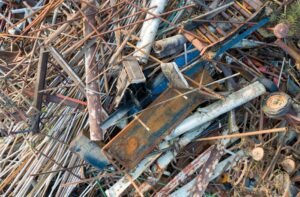
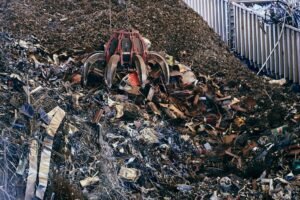
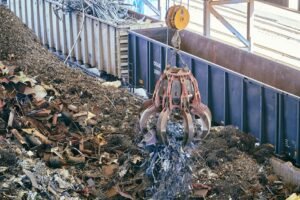
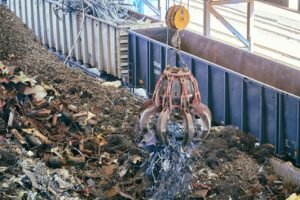
Recycling scrap metal involves several key stages: collection, sorting, processing, and repurposing. In North Sydney and NSW, recyclers use advanced technologies to streamline this process. First, metals are separated into ferrous (iron-based) and non-ferrous categories. Ferrous metals like steel are magnetic, while non-ferrous metals such as copper, aluminum, and brass require manual or automated sorting. Once sorted, metals are shredded, melted down, and molded into new products. This process saves energy compared to mining raw ore—recycling aluminum, for instance, uses 95% less energy than producing it from bauxite.
Drop-Off vs. Pickup Services: Choosing the Right Option
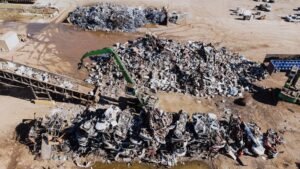
Scrap metal recyclers North Sydney offer two primary service models: drop-off and pickup. Drop-off services are ideal for individuals or small businesses with manageable volumes of scrap. Facilities like scrap.trade provide secure, well-organized recycling centres where you can deliver materials directly. For larger quantities or heavy items, pickup services eliminate logistical challenges. Reputable recyclers in Greater Sydney often offer free assessments and transparent pricing, ensuring you get fair value for your scrap. When comparing options, consider factors like location, accepted materials, and turnaround time.
Grades of Scrap Metal: What Recyclers Sort and Sell
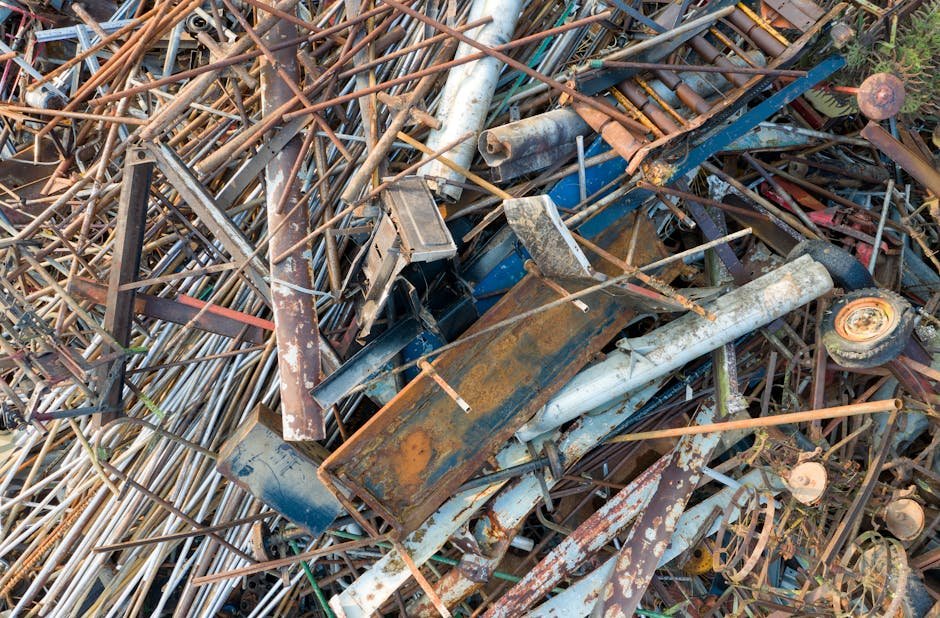
Not all scrap metal is created equal. Recyclers in North Sydney classify metals based on purity, alloy composition, and usability. Common grades include:
- Steel: Includes carbon steel, stainless steel, and mild steel. Used in construction and manufacturing.
- Aluminum: Lightweight and corrosion-resistant. Found in beverage cans, car parts, and household items.
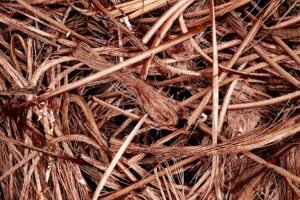
- Copper: High conductivity makes it vital for electrical wiring. North Sydney copper recyclers specialize in telecom, plumbing, and industrial copper.
- Brass and Bronze: Alloyed metals common in plumbing fixtures and machinery.
Telecom scrap, such as copper cables and fiber optics, requires specialized handling. For detailed guidance on selling telecom scrap, refer to the Telecom Scrap Metal Selling Guide.
Environmental Benefits of Recycling Scrap Metal
Recycling scrap metal significantly reduces the carbon footprint of manufacturing. By reusing metals, recyclers in North Sydney help conserve natural resources, reduce landfill waste, and lower greenhouse gas emissions. For example, recycling one ton of steel saves 2,500 pounds of iron ore and 1,400 pounds of coal. Additionally, the process minimizes water and air pollution associated with mining. Secure scrap metal export transactions further extend these benefits by repurposing materials globally.
How to Choose the Right Recycler in North Sydney
When selecting a recycler, prioritize facilities with proper certifications, transparent pricing, and eco-friendly practices. Key considerations include:
- Licensing: Ensure the recycler complies with NSW environmental regulations.
- Sorting Capabilities: Advanced facilities can extract higher-value metals from mixed scrap.
- Export Compliance: Recyclers with international partnerships can maximize the value of scrap through global markets.
For a seamless experience, use Sell Scrap Metal Near Me In 2026 to locate accredited recyclers in Greater Sydney.
Practical Tips for Efficient Scrap Metal Recycling
Maximize your returns by following these tips:
- Clean Materials: Remove contaminants like dirt, oil, or plastic to avoid downgrading the metal grade.
- Sort Metals: Separate ferrous and non-ferrous metals for accurate pricing.
- Request Quotes: Compare offers from multiple scrap metal recycling North Sydney providers.
- Track Transactions: Use digital platforms to monitor the sale and processing of your scrap.
Future of Scrap Metal Recycling in NSW
As NSW and Greater Sydney push for net-zero emissions, the demand for sustainable metal recycling will grow. Innovations like AI-powered sorting and blockchain for tracking recycled materials are already transforming the industry. By partnering with forward-thinking recyclers, businesses and individuals can contribute to a greener future while staying ahead of regulatory trends.
ScrapTrade remains committed to advancing eco-friendly recycling practices across Australia. For more insights on sustainable metal reuse and environmental stewardship, explore our resource center.
Environmental Impact Summary
- Recycling 1 ton of aluminum saves 14,000 kWh of energy.
- NSW recyclers divert over 1 million tons of metal waste annually.
- Local recycling reduces transportation emissions compared to exporting scrap overseas.
Related: scrap metal recycling north sydney
Frequently Asked Questions
What types of scrap metal do recyclers in North Sydney accept?
Scrap metal recyclers North Sydney accept ferrous metals (steel, iron), non-ferrous metals (aluminum, copper, brass), and mixed scrap. Specialized recyclers handle telecom scrap like copper cables.
Is drop-off or pickup service more cost-effective?
Drop-off is economical for small quantities, while pickup services are ideal for large volumes. Recyclers in Greater Sydney often offer free assessments to determine the best option.
How does recycling metal reduce environmental impact?
Recycling metal conserves natural resources, reduces landfill waste, and lowers carbon emissions. For example, recycling aluminum uses 95% less energy than producing it from raw bauxite.
How can I verify a recycler’s eco-friendly practices?
Check for certifications like ISO 14001, ensure compliance with NSW environmental regulations, and inquire about their waste management and export protocols.