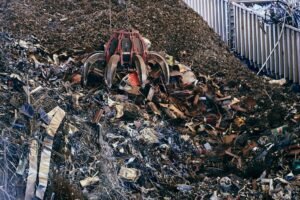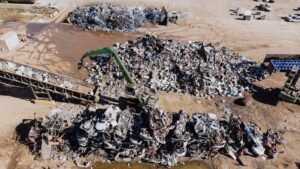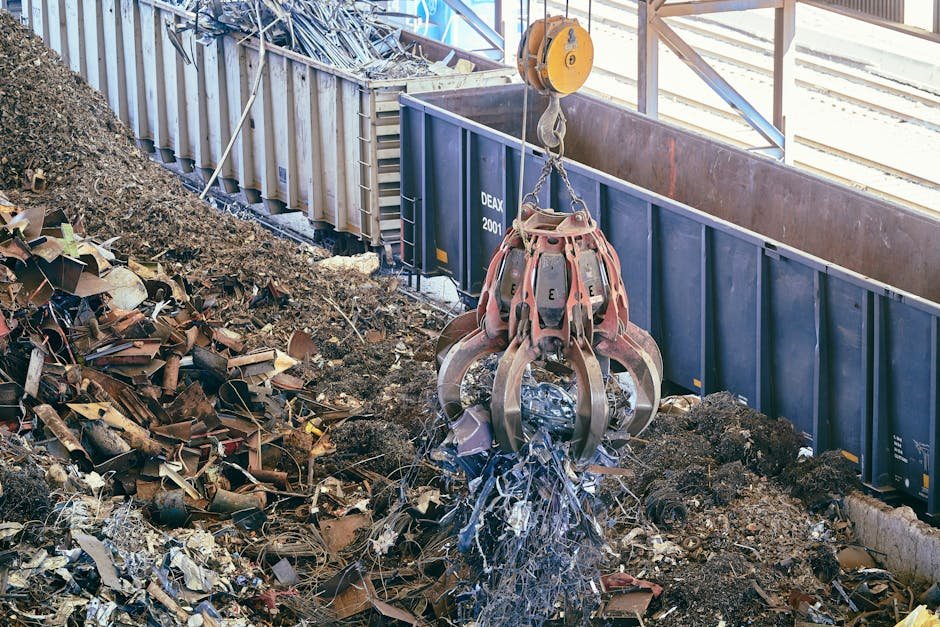

Scrap metal recyclers Sydney play a critical role in Australia’s transition to a circular economy. From industrial facilities in Greater Sydney to local recycling centres, these services manage the entire lifecycle of scrap metal—sorting, processing, and repurposing materials to minimize waste and conserve natural resources. Whether you require a pickup service for large quantities or a drop-off option for smaller items, understanding the nuances of these operations ensures you make environmentally and economically sound decisions.
Introduction to Scrap Metal Recycling in Sydney
New South Wales, home to over 5 million people in the Greater Sydney region, generates significant volumes of metal waste annually. Scrap metal recyclers Sydney handle this waste by processing materials such as steel, copper, aluminum, and brass. These operations not only divert waste from landfills but also reduce the need for raw material extraction, which is energy-intensive and environmentally damaging. In 2023, over 1.2 million tons of scrap metal were recycled in NSW, highlighting the sector’s importance in Australia’s sustainability goals.
Understanding the Recycling Process
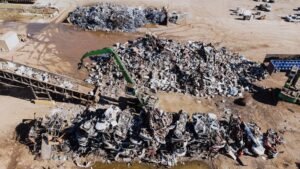
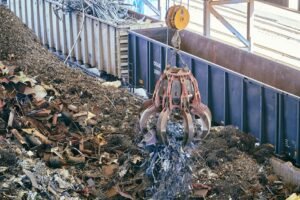
The recycling process begins with collection, where scrap metal is transported to recycling centres across Sydney. Once at the facility, materials undergo sorting using advanced technologies like X-ray fluorescence (XRF) to identify metal grades. Ferrous metals (iron and steel) are separated from non-ferrous materials (copper, aluminum, brass) due to their different melting points and market values. After sorting, the metals are shredded, melted in electric arc furnaces, and cast into ingots for reuse in manufacturing. This process saves up to 74% of the energy required to produce new metal from ore, according to the Australian Recycling Industry Council.
Drop-Off vs. Pickup Services: Choosing the Right Option
Most scrap metal recyclers Sydney offer two primary service models: drop-off and pickup. Drop-off is ideal for individuals with small quantities of scrap metal, such as old appliances or vehicle parts. Recycling centres like scrap metal recyclers north sydney provide designated drop-off zones with clear signage. Pickup services, on the other hand, cater to businesses or large volumes of scrap. For example, a construction company disposing of steel beams may opt for a pickup service to avoid transportation costs. When choosing between these options, consider factors like volume, accessibility, and time constraints.
Grades of Scrap Metal and Their Value
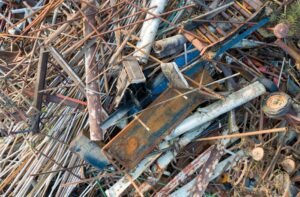
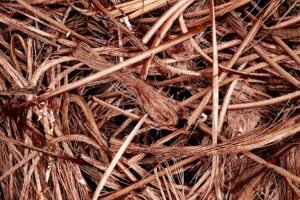
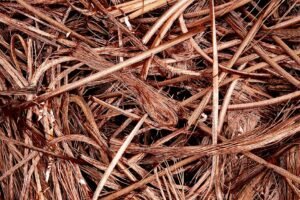
Scrap metal is categorized into grades based on composition and purity. Ferrous metals (iron and steel) are the most common and include construction materials like rebar and steel beams. They are valued for their magnetic properties but are less expensive than non-ferrous metals. Non-ferrous metals like copper, aluminum, and brass are non-magnetic and command higher prices due to their conductivity and corrosion resistance. For instance, copper wire can fetch $8–$10 per kilogram in Sydney, while aluminum scrap ranges from $1.50 to $2.50 per kilogram, according to current market data. Specialized alloys, such as stainless steel and titanium, require precise sorting and often attract premium prices for industrial applications.
Environmental Impact of Scrap Metal Recycling
Recycling scrap metal significantly reduces the environmental footprint of metal production. Producing aluminum from recycled scrap saves 95% of the energy required to extract and refine bauxite ore. Similarly, recycling steel avoids 60% of the carbon emissions associated with iron ore mining. In Greater Sydney, where urban development is rapid, recycling one ton of copper can conserve 10,000 kWh of energy and 100 kg of sulfur dioxide emissions annually. By using scrap metal recyclers Sydney, residents and businesses contribute to NSW’s goal of achieving net-zero emissions by 2050, as outlined in the NSW Climate Change Policy Statement.
How to Choose a Reliable Scrap Metal Recycler
When selecting a recycler, verify their credentials and compliance with environmental regulations. Look for certifications like ISO 14001, which ensures sustainable practices. Scrap Trade, for example, partners with over 50 approved recyclers in New South Wales. Consider transparency in pricing—reputable firms provide real-time scrap metal prices and issue detailed receipts for tax deductions. For businesses, checking a recycler’s waste management license (available on the NSW Government portal) is essential to avoid legal risks.
Future of Scrap Metal Recycling in Australia
Technological advancements are transforming the sector. AI-driven sorting systems now identify metal grades with 99% accuracy, reducing contamination rates. Electric vehicles (EVs) are another growth area; recycling lithium-ion batteries from EVs could create a $2 billion market in Australia by 2030. Scrap Trade Australia is investing in battery recycling facilities in Sydney to meet this demand. As e-waste increases, recyclers are also developing methods to recover rare earth metals from circuit boards, ensuring Australia remains a leader in sustainable resource management.
In conclusion, scrap metal recyclers Sydney are vital to both economic and environmental sustainability. By choosing certified facilities, leveraging pickup services for large volumes, and staying informed about scrap metal prices, stakeholders can maximize value while minimizing their carbon footprint. As NSW sets ambitious climate targets, the role of recycling in reducing industrial waste will only grow, making it imperative for individuals and businesses to engage responsibly with these services.
Related: north sydney scrap metal recyclers
Frequently Asked Questions
What are the main types of scrap metal recycled in Sydney?
The primary types include ferrous metals (iron, steel) and non-ferrous metals (copper, aluminum, brass). Ferrous metals are magnetic and lower in value, while non-ferrous metals are non-magnetic and command higher market prices due to their conductivity and durability.
How do I choose between drop-off and pickup services for scrap metal?
Drop-off is best for small quantities and individual items like appliances, while pickup services are ideal for businesses or large volumes. Consider accessibility, cost, and time when deciding; pickup services often offer competitive rates for bulk materials.
What environmental benefits does scrap metal recycling provide?
Recycling reduces energy consumption by up to 95% for aluminum and 74% for steel compared to producing metals from raw ore. It also cuts greenhouse gas emissions and reduces landfill use, supporting NSW’s goal to achieve net-zero emissions by 2050.
How are scrap metal prices determined in Australia?
Prices depend on global market demand, metal grades, and purity. For example, copper prices are influenced by construction activity, while aluminum prices reflect automotive and packaging industries. Check real-time scrap metal prices for accurate valuations.