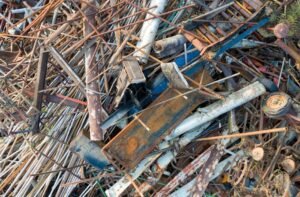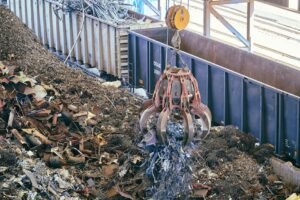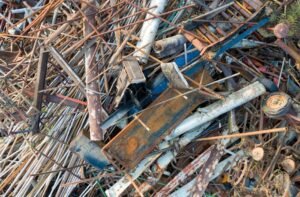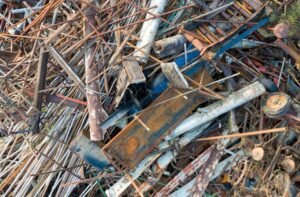

Australia’s vast landscapes and thriving industries generate significant amounts of metal waste each year. From construction debris to discarded appliances, the country’s metal recycling sector plays a critical role in conserving natural resources and reducing landfill burdens. This blog post explores the current state of scrap metal recycling in Australia, the processes involved, and why it matters for both the economy and the environment.
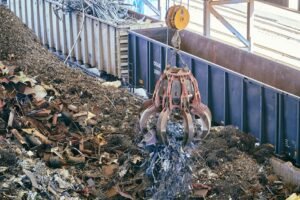
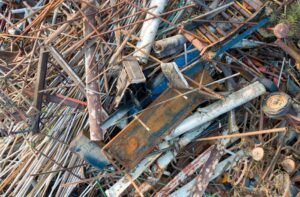
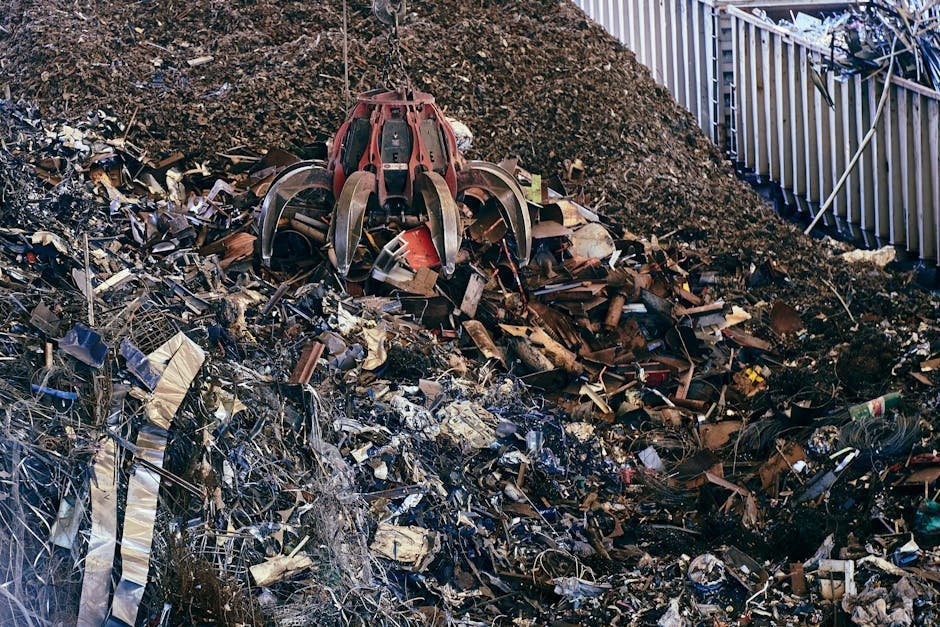
Scrap metal recycling begins with collection, often driven by local councils or private recycling companies. Items such as steel beams, copper wiring, and aluminium cans are sorted by type and quality, ensuring that each metal can be efficiently reprocessed. The Australian market is highly competitive, with prices fluctuating based on global demand, particularly from China and the United States, where recycled metals are in high demand for manufacturing new products.
Once sorted, the scrap is transported to recycling facilities where it undergoes a series of cleaning, shredding, and magnetic separation steps. Non-ferrous metals like aluminium and copper are isolated using eddy current separators, while ferrous metals are separated magnetically. The resulting clean metal streams are then melted in furnaces, producing new ingots ready for use in construction, automotive, and consumer goods manufacturing. This closed-loop process not only saves energy but also reduces the need for mining new ore.
Environmental benefits are a major driver behind Australia’s growing recycling initiatives. By diverting metal waste from landfills, the industry cuts greenhouse gas emissions, as producing metal from recycled sources typically uses up to 75% less energy than extracting and refining virgin ore. Moreover, recycling reduces the ecological impact of mining operations, preserving habitats and lowering water usage.
The industry is also evolving with technology. Advanced sorting systems, such as AI-powered vision scanners, are improving the accuracy of metal classification, while blockchain platforms are being tested to enhance traceability and ensure ethical sourcing. For those interested in exploring opportunities or learning more about the market, resources like https://scrap.trade offer up-to-date pricing and networking tools for buyers and sellers across the country.
Finally, the economic impact of scrap metal recycling cannot be overstated. The sector supports thousands of jobs, from collection drivers to metallurgists, and contributes billions to the Australian GDP. As sustainability becomes a core business value, companies are increasingly seeking certified recycled materials, further boosting demand for high-quality scrap.
FAQ
What is scrap metal recycling? It is the process of collecting, sorting, and reprocessing discarded metals into new products.
How does recycling reduce environmental impact? By using recycled metals, energy consumption and greenhouse gas emissions drop significantly compared to mining virgin ore.
Where can I find reliable scrap metal prices in Australia? Websites like https://scrap.trade provide current market rates and connect buyers with reputable suppliers.