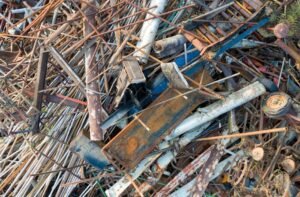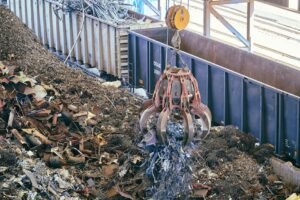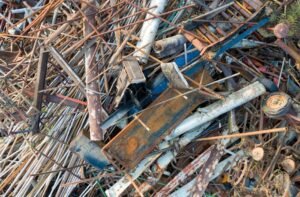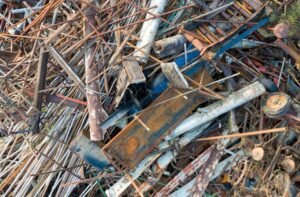

In Australia, scrap metal recycling companies play a pivotal role in turning discarded metal into valuable raw material for new products.
Overview of the Australian Scrap Metal Landscape
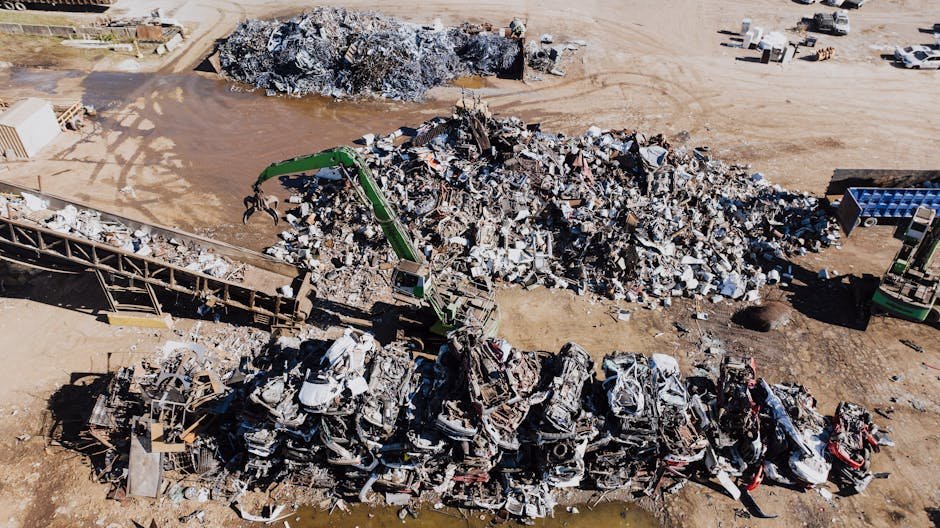
Australia generates roughly 3.5 million tonnes of ferrous and non‑ferrous metal waste each year. The majority of this material is captured by a network of scrap metal recycling companies that operate from large processing hubs in Sydney, Melbourne, Brisbane, Perth and regional centres. These firms are regulated by state environmental agencies and must adhere to strict licensing, reporting and contamination standards. The industry is supported by a robust logistics chain that includes collection trucks, rail freight, and sea export facilities for high‑value alloys such as copper and aluminum.
Because the market is highly fragmented, businesses and households often search for “Scrap Metal Recycling Near Me” to locate a nearby facility that can accept their load. The rise of digital platforms has also made it easier to compare rates, request quotes, and schedule pick‑ups in real time.
How Scrap Grades Are Defined
Grades are the language of the metal recycling industry. They allow buyers, sellers and processors to communicate the quality, composition and cleanliness of a load. The most common grading systems in Australia follow the standards set by the Australian Steel Institute (ASI) for ferrous metals and the International Lead and Zinc Study Group (ILZSG) for non‑ferrous metals.
- Ferrous Grade A (Clean Steel): Free from paint, oil, and non‑metal contaminants; typically used for steelmaking.
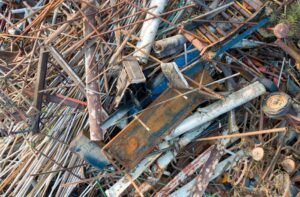
- Ferrous Grade B (Mixed Steel): May contain small amounts of copper, aluminum or minor coatings; suitable for secondary steel production.
- Non‑Ferrous Grade 1 (Copper‑Capped): ≥ 99% copper purity, minimal alloying elements; commands premium prices.
- Non‑Ferrous Grade 2 (Aluminum‑Only): 99%+ aluminum, no significant alloying metals; used in beverage can recycling.
- Precious Metal Grade (Gold, Silver, Platinum): Typically recovered from electronic waste streams; requires specialized processing.
Each grade is assigned a market price that fluctuates with global commodity trends, exchange rates and local supply‑demand dynamics. Accurate grading is essential for maximizing revenue and ensuring that downstream smelters receive material that meets their specifications.
The Recycling Process: From Collection to Re‑Melting
The journey of a scrap metal load can be broken down into six distinct stages, each managed by a different part of the value chain.
- Collection & Transportation: Licensed trucks pick up scrap from construction sites, demolition projects, households and industrial facilities. Loads are weighed on site, and a receipt is generated for the seller.
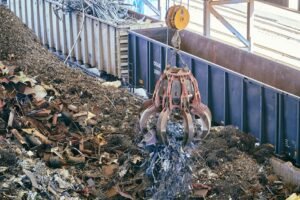
- Initial Sorting: At the reception yard, operators separate ferrous from non‑ferrous metals using magnetic separators and manual inspection. This step also removes obvious contaminants such as wood, plastics and hazardous waste.
- Size Reduction: Large items are shredded or baled to improve handling efficiency. Shredders cut steel beams into 50‑mm pieces, while balers compress aluminum cans into dense bundles.
- Secondary Sorting & Grading: Advanced technologies like eddy‑current separators, X‑ray fluorescence (XRF) analyzers and optical sorters identify specific alloys and assign them to the appropriate grade.
- Cleaning & De‑Contamination: Water‑based washing systems remove oils, greases and surface coatings. For hazardous residues, specialized chemical treatments are employed to meet environmental compliance.
- Re‑Melting & Export: Graded metal is melted in electric arc furnaces (for steel) or reverberatory furnaces (for copper/aluminum). The molten metal is cast into billets, ingots or continuous slabs for downstream manufacturers. Excess material may be exported to Asian smelters via Port Botany or Fremantle.
Every step is documented for traceability, and many companies provide sellers with a digital audit trail that shows the final destination of their material.
Environmental Benefits of Metal Recycling
Recycling metal delivers measurable environmental gains across three key dimensions: resource conservation, energy savings and greenhouse‑gas reduction.
- Resource Conservation: Recycling 1 tonne of steel saves roughly 1.5 tonnes of iron ore, 0.8 tonnes of coal and 0.5 tonnes of limestone.
- Energy Savings: Producing steel from scrap consumes up to 74% less energy than using virgin ore. For aluminum, the savings reach 95%, because primary aluminum production is one of the most energy‑intensive processes on the planet.
- GHG Emissions: Every tonne of recycled steel avoids about 1.8 tonnes of CO₂ equivalent, while recycled aluminum avoids roughly 8.5 tonnes of CO₂ equivalent.
Beyond the direct emissions avoided, metal recycling reduces the need for new mining operations, which often involve habitat disruption, water consumption and tailings disposal. By keeping metal in a circular loop, Australia moves closer to its 2030 net‑zero targets.
Choosing a Reliable Scrap Metal Recycling Company
Not all processors are created equal. When evaluating potential partners, consider the following criteria:
- Licensing & Compliance: Verify that the company holds a current waste‑handling licence from the relevant state environment department.
- Transparent Pricing: Look for firms that publish daily market rates and provide clear weight‑based quotations.
- Infrastructure: Modern facilities equipped with magnetic separators, XRF analysers and water‑based cleaning systems indicate a commitment to quality and environmental stewardship.
- Customer Service: Responsive support, online scheduling tools and detailed receipts simplify the selling experience.
- Reputation: Check online reviews, industry certifications (e.g., ISO 14001) and membership in organisations such as the Australian Steel Institute.
For those searching for convenience, a quick Google query for “scrap metal recycling near me” will surface a map of accredited yards, many of which are listed on our platform.
Practical Tips for Sellers in 2026
Whether you are a homeowner, a small contractor, or a large manufacturing plant, these best‑practice tips will help you get the best price and ensure compliance.
- Separate Materials Early: Keep ferrous, non‑ferrous and precious metals separate at the source to reduce sorting costs.
- Remove Contaminants: Scrape off paint, oil, and adhesives. Even small amounts of lead‑based paint can downgrade a load.
- Weigh Accurately: Use a calibrated scale and record the gross and tare weight. Accurate documentation speeds up payment.
- Know Current Market Rates: Prices for copper, aluminum and steel fluctuate weekly. Visit the Ultimate Guide to Scrap Metal Recycling in Australia for up‑to‑date benchmarks.
- Leverage Digital Platforms: Services like Sell Scrap Metal Near Me In 2026 allow you to request instant quotes, schedule a pick‑up, and track payment status online.
- Consider Volume Discounts: Many yards offer higher rates for loads over a certain tonnage. Consolidating smaller batches can be financially advantageous.
By following these steps, you not only maximise revenue but also contribute to a cleaner supply chain.
Industry Outlook: Scrap Trading Vs Recycling Business
The sector is often confused with scrap trading, but the two models serve different purposes. Scrap Trading Vs Recycling Business outlines the distinction:
- Scrap Trading focuses on buying and selling bulk metal for resale, often without processing the material further.
- Recycling Business invests in processing equipment, environmental compliance, and value‑added services such as grading and certification.
Companies that integrate both functions can capture more margin, but they also bear higher capital costs and regulatory responsibilities. Understanding this difference helps sellers align with the right partner for their specific needs.
Key Resources and Further Reading
For a deeper dive into the mechanics of metal recycling, explore the following resources:
- scrap metal recycling centers – A directory of accredited processing facilities across Australia.
- Visit Scrap Trade for real‑time price feeds, market analysis, and a network of verified recyclers.
- ScrapTrade Australia offers consultancy services for businesses looking to establish their own recycling streams.
These tools empower both individuals and corporations to make informed decisions that support a circular economy.
Conclusion
scrap metal recycling companies are the backbone of Australia’s circular‑economy strategy. By grading scrap accurately, following a rigorous processing workflow, and delivering measurable environmental benefits, they turn waste into wealth while reducing the nation’s carbon footprint. Whether you are a seasoned seller or a first‑time homeowner, understanding the grades, the process, and the regulatory landscape will help you partner with the right recycler, secure the best price, and contribute to a sustainable future.
Frequently Asked Questions
What types of metal are accepted by Australian recyclers?
Most recyclers accept ferrous steel, stainless steel, copper, aluminum, brass, lead, zinc and precious metals. Some facilities also process electronic scrap, automotive parts and industrial by‑products, provided the material is free of hazardous contaminants.
How is scrap metal priced?
Pricing is based on the global commodity market, the metal’s grade, purity and current demand. Recyclers publish daily rates, and sellers can increase earnings by delivering clean, well‑sorted loads that match premium grades.
Do I need a licence to sell scrap metal?
Individuals and small businesses generally do not need a licence, but they must provide identification and a valid tax file number. Large generators, such as factories, must hold a waste‑handling licence and maintain records of every transaction.
How does recycling metal reduce greenhouse‑gas emissions?
Recycling avoids the energy‑intensive extraction and processing of virgin ore. For example, recycling steel saves up to 74% of the energy required for primary production, cutting CO₂ emissions by nearly two tonnes per tonne of steel recycled.