
Scrap metal recycling is a cornerstone of sustainable resource management in Australia. By understanding metal grades, recycling processes, and environmental benefits, individuals and businesses can contribute to a circular economy while accessing valuable revenue streams. This guide explores the intricacies of scrap metal recycling, from identifying grades to maximizing returns through platforms like scrap.trade and scraptrade.com.au.
Understanding Scrap Metal Grades
Scrap metal is categorized into grades based on composition, purity, and usability in manufacturing. The two primary classifications are:
Ferrous Metals
- Steel and Iron: Magnetic metals like carbon steel, stainless steel, and cast iron. These metals are abundant and widely recycled in industries such as construction and automotive.
- Applications: Used in building infrastructure, appliances, and machinery. Ferrous scrap is often sold for its iron content.
Non-Ferrous Metals
- Aluminum, Copper, Brass, and Zinc: Non-magnetic metals with high value due to their conductivity and corrosion resistance.
- Specialty Uses: Aluminum is essential for aerospace and beverage cans, while copper is critical for electrical wiring and electronics.
Specialty Metals
- Exotic Alloys: Rare metals like titanium, nickel, and cobalt, used in high-tech applications such as medical devices and renewable energy systems.
- Challenges: These metals often require specialized recycling facilities due to their complex compositions.
For accurate pricing, refer to scrap metal prices to determine the value of different grades in your region.
The Scrap Metal Recycling Process
Recycling scrap metal involves a series of steps designed to recover materials efficiently:
1. Collection and Sorting
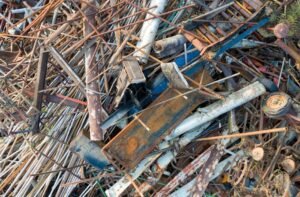
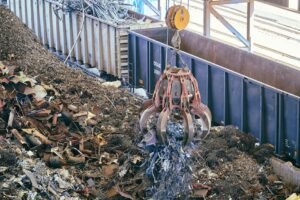
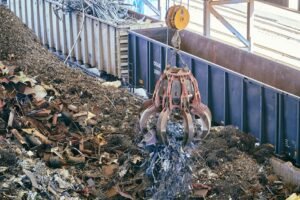
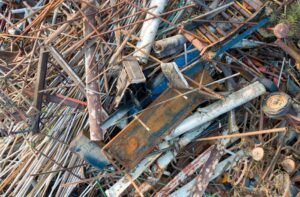
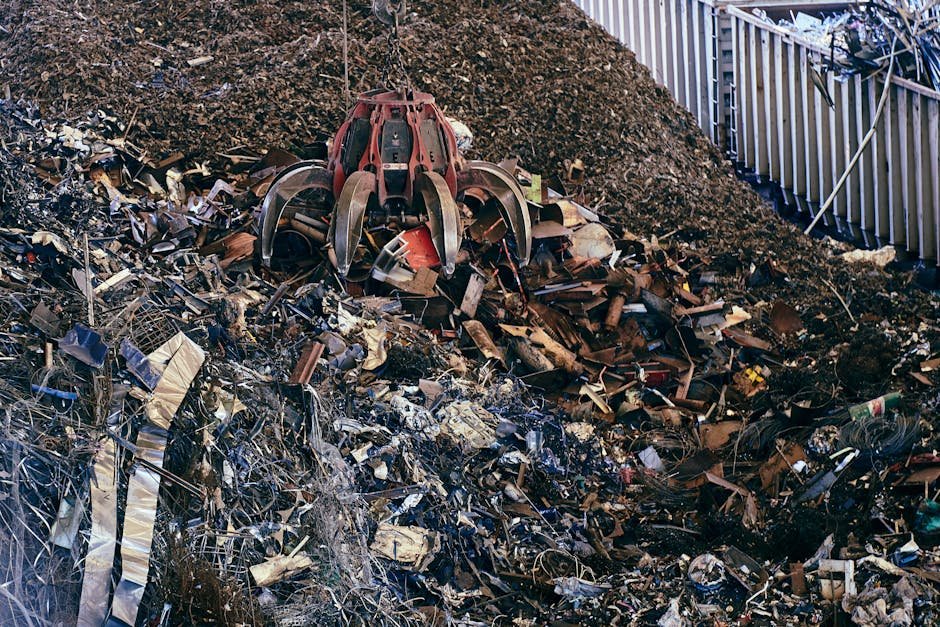
Scrap metal is collected from sources like demolition sites, manufacturing plants, and households. Sorting is critical to separate ferrous and non-ferrous metals using magnets and optical scanners.
2. Processing and Shredding
Large metal items are shredded into smaller pieces to increase surface area for melting. Contaminants like paint and grease are removed through shredding and washing processes.
3. Melting and Refining
Metals are melted in furnaces at high temperatures. Impurities are filtered out through refining techniques like skimming and chemical treatments.
4. Manufacturing New Products
Refined molten metal is cast into ingots or sheets, ready for reuse in industries such as construction, automotive, and electronics.
Environmental Benefits of Scrap Metal Recycling
Recycling scrap metal offers significant environmental advantages:
- Resource Conservation: Recycling reduces the need for mining raw materials, preserving natural ecosystems.
- Energy Efficiency: Producing steel from recycled scrap uses 60% less energy than from iron ore.
- Reduced Landfill Waste: Metals in landfills can leach toxins into soil and water. Recycling diverts this waste safely.
- Lower Emissions: Recycling processes emit fewer greenhouse gases compared to traditional manufacturing.
For example, recycling aluminum saves 95% of the energy required to produce new aluminum from bauxite ore. This efficiency underscores the importance of local recycling initiatives.
How to Choose a Scrap Metal Recycling Service
Selecting a reliable recycler ensures compliance, fair pricing, and efficient service:
- Certifications: Look for services with ISO 14001 or RWMRC accreditation for environmental compliance.
- Pricing Transparency: Compare scrap metal prices to avoid hidden fees or undervaluation.
- Specialized Facilities: Choose a recycler equipped to handle specific metal types, such as electronics for exotic metals.
Platforms like Sell Scrap Metal Near Me In 2026 streamline the process with real-time price tracking and logistics support.
Practical Tips for Selling Scrap Metal
Maximize your returns with these actionable strategies:
- Sort Metals Thoroughly: Separate ferrous and non-ferrous metals to command higher rates.
- Document the Source: Provide documentation for industrial or commercial metals to prove legality.
- Monitor Market Trends: Track scrap metal prices to sell during high-demand periods.
- Clean Contaminants: Remove non-metallic debris to avoid deductions at processing centers.
For immediate assistance, use scrap metal near me to find certified recyclers in your area.
The Global Impact of Scrap Metal Recycling
Australia’s scrap metal recycling industry plays a pivotal role in the global scrap metal market. Exports of recycled metals support industries in Asia and Europe, while imports help meet domestic demand for rare materials. Collaborative efforts like the scrap.trade platform facilitate international supply chains, ensuring sustainable resource distribution.
Challenges in Scrap Metal Recycling
Despite its benefits, the industry faces challenges:
- Contamination: Non-metallic materials can degrade recycled metal quality.
- Logistical Costs: Transporting low-density metals (e.g., aluminum cans) is cost-inefficient.
- Market Volatility: Fluctuating scrap metal prices affect profitability for recyclers and sellers.
Future of Scrap Metal Recycling in Australia
Technological advancements and policy reforms are shaping the industry’s future:
- Automation: AI-powered sorting systems improve efficiency and reduce human error.
- Government Incentives: Tax breaks for businesses that prioritize scrap metal recycling encourage adoption.
- Community Programs: Initiatives like local recycling hubs promote public participation.
Conclusion and Call to Action
Scrap metal recycling is a vital component of Australia’s environmental and economic sustainability. By understanding metal grades, leveraging scrap.trade’s innovative solutions, and prioritizing responsible practices, individuals and businesses can contribute to a greener future. Start by exploring Sell Scrap Metal Near Me In 2026 to access competitive pricing and seamless logistics. Together, we can turn scrap metal into a resource that powers progress.
Frequently Asked Questions
What are the main grades of scrap metal?
Scrap metal is divided into ferrous (steel, iron), non-ferrous (aluminum, copper), and specialty metals (titanium, cobalt). Ferrous contains iron and is magnetic, while non-ferrous metals are valued for conductivity and corrosion resistance.
How does the scrap metal recycling process work?
The process involves collection, sorting, shredding, melting, and refining metals into reusable forms. Sorting is critical to separate ferrous and non-ferrous metals before melting.
What are the environmental benefits of recycling scrap metal?
Recycling conserves resources, reduces energy use (e.g., 60% less for steel), minimizes landfill waste, and lowers greenhouse gas emissions compared to producing metals from raw materials.
How can I find a reliable scrap metal recycler?
Look for certified recyclers with ISO 14001 accreditation, transparent pricing, and facilities equipped for your metal type. Platforms like Scrap Metal Recycling Near Me help locate services quickly.